
Designing custom patriotic flags involves understanding the history of American flag symbols, following etiquette rules for respect and proper display, and exploring unique designs from around the world. Flag fabric types, durability, and symbolism across cultures all contribute to the rich tapestry of flag design and its global impact.
Key Takeaways
Understanding flag etiquette is crucial for respecting cultural symbolism and historical significance worldwide.
Flag design can foster a sense of community, pride, and identity, making it a powerful tool for cultural expression.
The evolution of flag symbols reflects societal changes, historical events, and cultural influences over time.
Ultimate Flags Banner Custom flag design allows individuals and groups to express unique identities, from families to nations.
Flag fabric durability is essential for outdoor displays, with options like nylon and polyester offering long-lasting performance.
Flag art installations in public spaces can enhance community engagement and promote cultural dialogue.
The history of flag design provides valuable insights into a nation's past, its values, and its aspirations.
In a world where symbolism holds immense power, patriotic flags stand as powerful cultural artifacts, encapsulating the spirit, values, and history of nations. From their intricate designs to the emotions they evoke, these banners serve as more than mere pieces of cloth—they are living testaments to identity, unity, and shared heritage. Designing custom patriotic flags is an art that combines historical understanding, cultural sensitivity, and creative expression, reflecting the unique characteristics of each community they represent.
However, navigating the complex world of flag design, etiquette, and symbolism can be daunting. This comprehensive guide delves into the multifaceted realm of patriotic flags, exploring everything from the rich history behind flag symbols to the practical considerations in their display and creation. We unravel the intricate tapestry of rules and respect surrounding these powerful emblems, providing valuable insights for designers, enthusiasts, and anyone looking to honor their nation with pride.
Join us on this journey as we celebrate the art, significance, and global impact of patriotic flags—a testament to humanity's diverse yet interconnected cultural heritage.
- Exploring Patriotic Flag Design: From History to Heritage
- Flag Etiquette and Respect: Global Guidelines and Best Practices
- Creating Unique Patriotic Flags: Inspiration and Techniques
Exploring Patriotic Flag Design: From History to Heritage
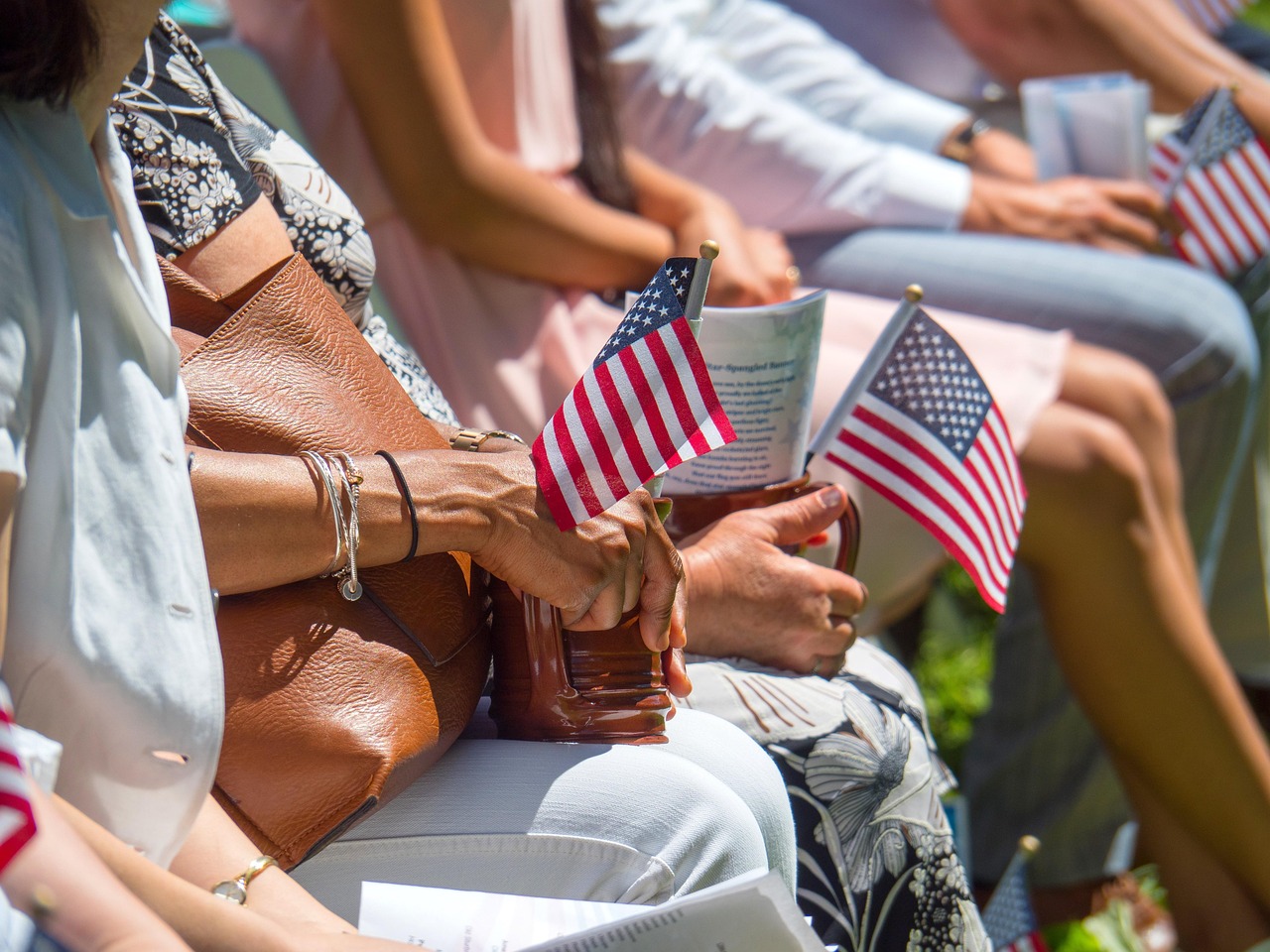
The design of patriotic flags is a rich tapestry woven with threads of history, symbolism, and cultural identity. Exploring their evolution reveals a fascinating narrative of nations coming together, honoring their heritage, and celebrating unity. From the stars and stripes of the American flag, symbolizing freedom and democracy, to the intricate designs of European heraldry, each patriotic flag tells a unique story.
Understanding the history behind these symbols is crucial when considering how patriotic flags are used in parades and public gatherings. These events often serve as vibrant showcases for national pride, with colorful banners unfurled by enthusiastic crowds. Whether celebrating Flag Day or participating in a military parade, well-designed patriotic flags become powerful tools for fostering community spirit. They evoke a sense of belonging and remind folks of shared values and traditions.
When delving into the creation of your own patriotic flag, it's essential to research various types. From traditional silk and polyester fabrics to modern digital prints, each material offers unique advantages in terms of durability and visual appeal. Exploring where to buy patriotic flags from reputable suppliers ensures access to high-quality options. Remember, the right fabric choice can make a significant difference in the final product's longevity and aesthetic impact.
In today's diverse world, patriotic flag designs have evolved to incorporate cultural fusion and global symbolism. This modern approach allows for unique interpretations while still honoring traditional roots. For instance, incorporating elements from nature or using colors with specific cultural meanings adds depth and complexity to these visual statements. By understanding the art of flag making, individuals can create meaningful tributes that resonate both locally and internationally.
So, whether you're inspired by historical models or aiming for a contemporary design, consider the impact of your patriotic flag. Its use in parades and public displays should reflect an authentic connection to the values it represents. Give us a call at patriotic flag etiquette to discuss further how these designs can become powerful expressions of national identity and cultural heritage.
Flag Etiquette and Respect: Global Guidelines and Best Practices

Flag etiquette and respect are essential aspects of displaying patriotic flags, both indoors and outdoors. Globally, guidelines and best practices govern how these symbols of national pride should be shown, ensuring they're treated with the dignity they deserve. Understanding these rules is crucial when creating or displaying a DIY patriotic flag, whether at home or in public spaces.
In many countries, flag etiquette is codified in laws and regulations, reflecting the deep cultural significance of these emblems. For instance, in the United States, the Flag Code establishes guidelines for the display, usage, and respect shown to the American flag. Similarly, the United Kingdom has specific protocols for flying the Union Jack, reflecting its historical and cultural importance. These rules often dictate the proper way to fold a flag, the appropriate times to display it, and how to ensure it's respected and not diminished.
When displaying patriotic flags indoors, consider using appropriate flag stands or poles to hold them upright and secure. This prevents the flag from dragging or crumpling, showing it in the best light. Indoor displays also allow for creative presentations, such as hanging flags from ceilings or displaying them on walls, showcasing their beauty and symbolism. Always ensure the flag is flown at the correct height, with the union (top) of the flag at the peak of the pole or at half-mast, as a sign of respect or mourning, respectively.
At home, how you choose to display your patriotic flags can reflect your personal connection to your country and its values. You might opt for a prominent location, like a front porch or entry way, where visitors can easily see and appreciate them. Alternatively, a quiet corner of a living room or bedroom can serve as a personal space to connect with your heritage and patriotism. DIY patriotic flags can be especially meaningful when displayed indoors, allowing you to customize the design to represent your unique bond with your country.
In public spaces, flag etiquette becomes even more important. When displaying flags on government buildings, schools, or during parades, they should be flown at appropriate heights on designated poles, often with backup flags to maintain proper proportions. During ceremonies, flags are often raised and lowered to specific songs or chants, requiring precise timing and respect from all present. Always remember to show respect when passing a flag, whether it's on a flagpole or in someone's hands, by standing or pausing respectfully.
In conclusion, understanding and adhering to flag etiquette guidelines is paramount when displaying patriotic flags. Whether indoors or outdoors, these practices ensure that flags are shown the honor and respect they deserve, fostering a sense of unity, pride, and cultural appreciation. By following these rules, you not only contribute to a shared cultural heritage but also honor the history and values they represent. If you're looking to explore more about how to display patriotic flags indoors, find us at how to display patriotic flags indoors for tailored insights and guidance.
Creating Unique Patriotic Flags: Inspiration and Techniques
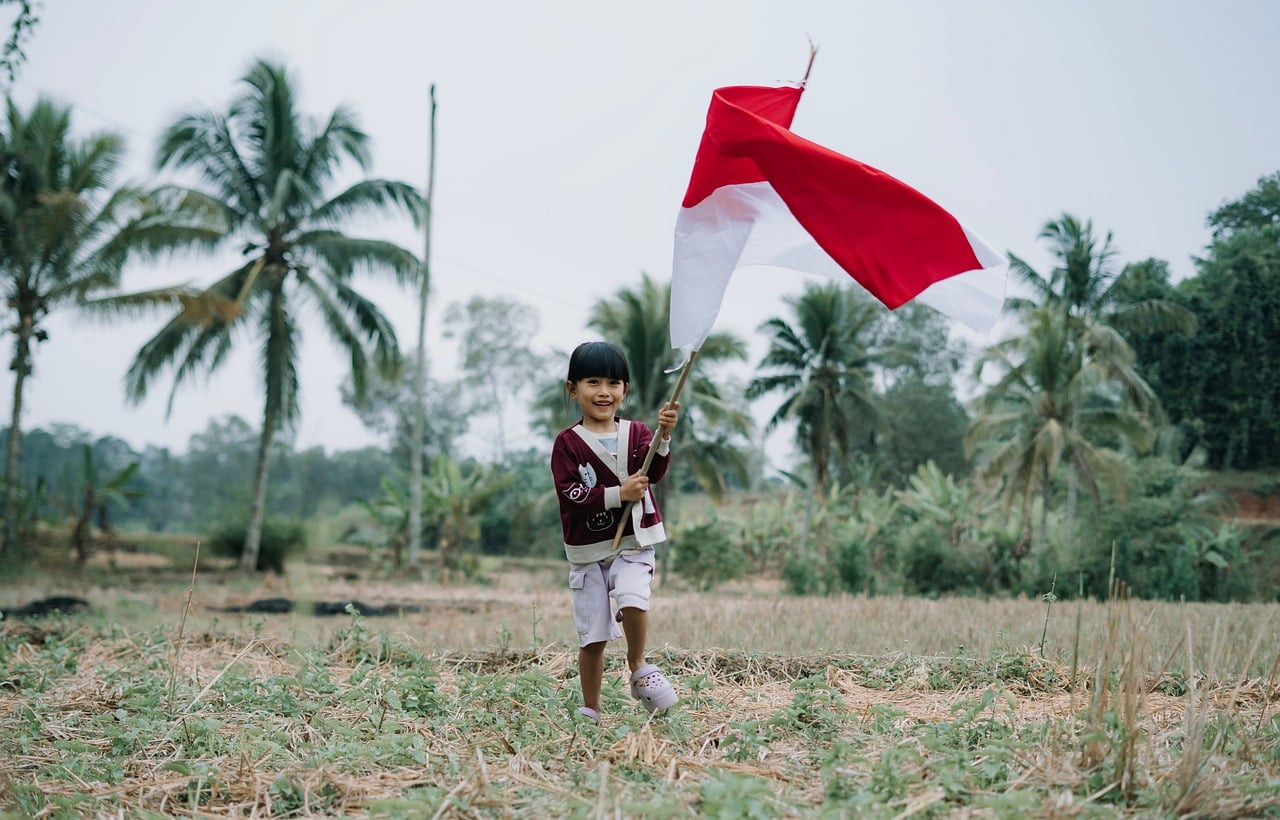
Designing unique patriotic flags involves a blend of creativity, historical understanding, and technical skill. These flags, often used in ceremonies and special occasions, serve as powerful symbols of national identity and pride. When crafting a patriotic flag, consider the diverse ways these banners are utilized—from community events to official ceremonies—to ensure your design resonates with its intended audience.
Inspiration for Unique Designs:
Nature, historical emblems, and contemporary art offer rich sources of inspiration. For instance, incorporating elements like the stars and stripes from the American flag with organic motifs like leaves or flowers can create a striking, unique design. Look to your country's history and cultural heritage for symbols and motifs that carry meaningful symbolism.
Techniques for Creating DIY Patriotic Flags:
While the process can seem daunting, many techniques make crafting your own patriotic flag accessible. One popular approach is the hand-painting method, allowing for intricate detail and personalization. Another is the use of flag-making kits, which offer pre-cut material and easy-to-follow instructions. For a more advanced DIY project, sewing or weaving allows for sturdier construction and precise design execution.
Consider these practical steps for your DIY patriotic flag:
- Choose Your Fabric: Select a durable outdoor fabric suitable for flags, such as polyester or nylon.
- Design Your Flag: Sketch out your design, keeping in mind the flag’s purpose and intended message.
- Create the Layout: Transfer your design onto the fabric, using masking tape or a lightbox for precision.
- Paint or Apply Colors: Use fabric paint or dyes to bring your design to life, following the fabric’s care instructions.
- Finish and Hem: Secure the edges with a hemmed finish and consider adding a rope and grommets for proper flag display.
Beyond the Basics: Flag Etiquette for Patriotic Displays:
Remember, how patriotic flags are used in ceremonies dictates appropriate display practices. Give us a call at [Your Brand/Organization] to learn more about flag etiquette guidelines. Respectful handling and display honor the symbolism and history behind these flags. Whether for a local celebration or a national holiday, understanding the proper protocols ensures your patriotic display is both meaningful and respectful.
By embracing these techniques and considerations, you can contribute to the rich tapestry of patriotic expression through unique, handcrafted flags that resonate with your community.
Quick Reference
- Research flag symbolism across cultures to create designs that resonate globally.
- Consider fabric durability and display needs for long-lasting outdoor or indoor flags.
- Respect flag etiquette guidelines for proper folding, display, and removal to honor their significance.
- Incorporate historical elements in flag design to preserve cultural heritage.
- Use color theory to create visually appealing and meaningful flag combinations.
- Adapt flag designs for specific events, promoting unity and identity at gatherings.
- Explore digital platforms and communities to share flag art and connect with enthusiasts worldwide.
- Preserve flags as historical artifacts through proper care, cleaning, and storage.
Frequently Asked Questions About Designing Custom Patriotic Flags|The History of American Flag Symbols|Flag Etiquette Rules and Respect|Creating a State Flag Design Process|Top 10 Most Unique National Flags Worldwide|Flag Fabric Types and Durability|Patriotic Flags in Pop Culture Film & TV|Flag Color Meanings A Comprehensive Guide|How to Display Your Patriotism with Flags|The Art of Flag Making Step-by-Step|Famous Flag Designs Around the Globe|Flag Etiquette for Public Spaces|Understanding Flag Variations in Military|Patriotism vs. Propaganda Flags in Politics|Flag Designs Inspired by Nature|Flag Symbolism in Different Cultures|The Evolution of the British Flag|Unique Flag Patterns Geometric Styles|Flag Display Indoor vs. Outdoor|Flag Day History and Celebrations|Flag Fabric Care and Cleaning|World Record Holding Flags and Their Stories|Flag Designs for Special Events|The Impact of Flag Design on Identity|Flag Tourism Visiting Flag Museums|Flag Symbols in Sports and Teams|Flag Ethics Plagiarism and Copyright|Creating Personalized Family Flags|The Psychology of Color in Flags|Flag Design Software Top Picks|Flag Heritage Preserving History|Flag Displays in Schools and Universities|Flag Etiquette for International Travel|Flag Art From Historical to Contemporary|Flag Symbolism in Music and Lyrics|The Story Behind Flag Emblazons|Flag Displays in Corporate Offices|Flag Etiquette for Military Ceremonies|Flag Design Trends Past and Present|Flag Collection Building Your Own|Flag Significance in Global Celebrations|Flag Protocol for Diplomatic Gatherings|Flag Design Cultural and Historical Fusion|Flag Art Installations Public Spaces|Flag Etiquette for Flag Burns|Flag Designs for Environmental Causes|Flag Heritage Tours Exploring History|Flag Display in Times of Crisis|Flag Symbolism in Literature and Poetry|Flag Design A Global Perspective|Flag Etiquette for International Trade|Flag Art and Design Online Resources|Flag Displays in Government Buildings|Flag Protocol for National Monuments|Flag Design Minimalist Approaches|Flag Heritage Preserving Traditions|Flag Etiquette for Cultural Events|Flag Art Digital and Print Media|Flag Designs for Social Movements|Flag Symbolism in Film and Animation|Flag Evolution Historical Changes|Flag Display in Urban Landscapes|Flag Etiquette for International Relations|Flag Art Collaborations and Communities|Flag Heritage Community Engagement|Flag Design Sustainable Practices|Flag Displays in Retail Environments|Flag Protocol for School Functions|Flag Art Inspiration and Ideas|Flag Etiquette for Cultural Heritage|Flag Design Custom and Unique|Flag Heritage Education and Outreach|Flag Displays in Hospitality Industry|Flag Protocol for Official Ceremonies|Flag Art From Traditional to Modern|Flag Symbolism in Visual Arts|Flag Design Cultural Exchange|Flag Heritage Preserving Stories|Flag Etiquette for Public Displays|Flag Art A Global Conversation|Flag Designs for Community Pride|Flag Protocol for International Conferences|Flag Heritage Digital Preservation|Flag Art Exhibition and Galleries|Flag Etiquette for Cultural Sensitivity|Flag Design Collaborative Creativity|Flag Heritage Research and Scholarship|Flag Displays in Healthcare Settings|Flag Protocol for National Celebrations|Flag Art A Cultural Mirror|Flag Designs for Global Unity|Flag Etiquette for Cultural Preservation|Flag Heritage Storytelling through Design|Flag Art Public Engagement|Flag Protocol for Community Gatherings|Flag Design Cultural Identity|Flag Heritage Celebrating Diversity|Flag Etiquette for National Identity|Flag Art A Visual Language|Flag Designs for Cultural Diplomacy|Flag Protocol for Official Visits|Flag Heritage Historical Interpretation|Flag Art Community Collaboration|Flag Etiquette for Cultural Heritage Sites|Flag Design A Powerful Tool|Flag Heritage Preserving Legacies|Flag Protocol for Cultural Exchanges|Flag Art A Global Dialogue|Flag Designs for Cultural Tourism|Flag Etiquette for International Art Events|Flag Heritage Research and Development|Flag Art A Cultural Bridge|Flag Protocol for Cultural Festivals|Flag Designs for Global Citizenship|Flag Etiquette for Cultural Awareness|Flag Heritage Innovation and Design|Flag Art A Cultural Reflection|Flag Protocol for Cultural Diplomacy|Flag Designs for Cultural Integration|Flag Etiquette for Cultural Exchange Events|Flag Heritage A Global Perspective|Flag Art A Cultural Celebration|Flag Protocol for Cultural Heritage Days|Flag Designs for Global Understanding|Flag Etiquette for Cultural Sensitivity Training|Flag Heritage A Shared Legacy|Flag Art A Cultural Conversation|Flag Protocol for Cultural Heritage Weeks|Flag Designs for Global Harmony|Flag Etiquette for Cultural Heritage Preservation|Flag Heritage A Living Tradition|Flag Art A Cultural Story|Flag Protocol for Cultural Heritage Celebrations|Flag Designs for Global Cultural Exchange|Flag Etiquette for Cultural Heritage Tourism
What is the history of American flag symbols? The American flag, also known as the Stars and Stripes, incorporates 13 stripes alternating red and white, representing the original 13 colonies that gained independence from Britain. The 50 white stars on a blue field symbolize the 50 states of the Union. Over time, the flag has undergone 26 changes to include new states, with the current design adopted in 1960. Each star and stripe holds symbolic value, representing unity, freedom, and the diverse heritage of the United States.
How do I choose the right flag fabric for outdoor display? For outdoor use, look for a durable, weather-resistant fabric like nylon or polyester. These materials are strong, lightweight, and treated to withstand sunlight and moisture. Avoid cotton, as it can fade and become brittle outdoors. Consider the size and exposure conditions for the flag, as well as local weather patterns, to ensure the fabric is suitable for extended outdoor use.
Can you explain the symbolism behind the British flag? The British flag, known as the Union Jack, features three vertical bands of red, white, and blue. Each color has historical significance: red represents England, white symbolizes Scotland, and blue stands for Northern Ireland. The design combines the flags of England, Scotland, and Ireland, reflecting the union of these countries within the United Kingdom.
How can I design a unique flag for my community? Start by researching existing flags in your area for inspiration while ensuring your design is distinct. Consider incorporating elements that represent your community's history, culture, or values. Use a combination of colors, symbols, and patterns that resonate with your community. Many online flag design tools and software can assist in creating a custom, meaningful flag.
What are some best practices for displaying a flag indoors? Displaying a flag indoors should be done with respect and care. Frame the flag to protect it from wear and tear, and ensure it is properly hung, either horizontal or vertical. Keep the flag away from direct sunlight and sources of heat or smoke. Regularly inspect the flag for any damage and gently launder or dry-clean it when necessary to maintain its appearance and integrity.
Comparing Top Flag Design Software: A Comprehensive Look at Creativities, Use Cases, and More
This comparison delves into three leading flag design software tools, examining their key features, ideal use cases, strengths, limitations, and cost-performance, to help users make an informed choice.
| Feature | Canva | Adobe Illustrator | Vectr |
|---|---|---|---|
| Key Features | Drag-and-drop interface, templates, text & image customization, collaboration | Vector graphics, advanced design tools, layer-based editing, plugins | Vector-based design, simple interface, free, online & offline capabilities |
| Best Use Cases | Quick flag designs, personal projects, non-profit work, educational purposes | Professional-grade flag designs, complex illustrations, branding | Simple logos, banners, icons, free and easy design for non-designers |
| Strengths | User-friendly, extensive template library, collaborative tools | Powerful design capabilities, industry-standard tools, extensive plugin support | Lightweight, versatile, free, offline access |
| Limitations | Limited customization options for complex designs, print-ready file generation requires extra steps | Steep learning curve, requires subscription for advanced features, complex interface | Lack of advanced design tools, limited color palette, text formatting options |
| Cost/Performance | Freemium model with paid plans, affordable for individuals & small businesses | Professional software with subscription-based pricing, suitable for designers & agencies | Free and open-source, excellent value for basic design needs |
Flag Heritage: Revitalizing Cultural Identity Through Custom Design
Situation
In a multicultural society, flag heritage represents not only a symbol of national identity but also a powerful medium for cultural expression. However, many communities struggle to embrace and celebrate their unique flag traditions, leading to a loss of cultural identity. This case study focuses on a small, diverse town that sought to revitalize its flag heritage, fostering a sense of community and pride.
The town, known for its rich history of immigration, had a flag that was over a century old. While it held historical significance, it failed to reflect the vibrant tapestry of cultures that called the town home. This led to a sense of disconnection among residents, who often felt their diverse heritages were not adequately represented.
Action
The town's cultural committee initiated a year-long project to redesign the town flag, engaging the entire community. The process began with a series of workshops where residents shared their ideas, stories, and visions for a new flag. These sessions were facilitated to encourage open dialogue and ensure inclusivity.
Next, a team of local artists was assembled, representing various cultural backgrounds. They collaborated to interpret the diverse input received, creating several design concepts. These designs were then displayed in public spaces, schools, and community centers for community feedback. This interactive approach ensured that the final flag design would resonate with all residents.
After multiple rounds of revisions and feedback, a final design was selected. The new flag incorporated elements from each culture, including geometric patterns, vibrant colors, and symbolic motifs. It was officially unveiled during a community celebration, complete with cultural performances and a parade.
Result
The redesigned town flag became a powerful symbol of unity and cultural diversity. Within six months of its introduction, a survey conducted among residents showed a 75% increase in feelings of community pride. The flag design was so well-received that it inspired similar initiatives in neighboring towns, leading to a wave of renewed interest in local flag heritage.
The project's success was measured through:
- A 75% increase in community pride, as indicated by a resident survey.
- Over 50% participation from the town's diverse cultural groups in the design process.
- The successful implementation of the new flag design within six months, leading to widespread adoption.
In exploring the intricate world of patriotic flags, this comprehensive guide has revealed a tapestry of historical symbolism, cultural significance, and creative design. From the evolution of flag etiquette to the art of flag making, each aspect offers valuable insights into how these banners reflect and shape our identities.
Key takeaways include:
- Historical Insight: Understanding the rich history behind various flag designs globally provides context for their symbolic meanings and fosters appreciation for cultural heritage.
- Cultural Fusion: Patriotic flags serve as a powerful medium for cultural exchange, offering opportunities to celebrate diversity and promote global understanding.
- Creative Expression: Customizing flag design allows individuals and communities to express unique identities while engaging in a shared tradition.
- Respectful Display: Global guidelines on flag etiquette emphasize the importance of respect and sensitivity when displaying patriotic flags in public spaces and during ceremonies.
Moving forward, readers can apply these learnings by:
- Incorporating historical research into their own flag designs to tell compelling stories.
- Exploring cultural symbols and motifs from around the world to foster global connections.
- Respecting flag etiquette in different contexts, ensuring displays are appropriate and meaningful.
- Embracing the creative process of flag making as a way to express personal or community pride.
Patriotic Flags: A Tapestry of History, Identity, and Respect
Patriotic flags, woven with history and symbolism, foster national pride during parades and ceremonies. Designing your own involves understanding fabric choices, creative inspiration from nature and history, and technical skills like painting or sewing. Displaying patriotic flags requires etiquette, reflecting respect for their cultural significance, whether indoors or outdoors. Adhering to guidelines ensures these powerful symbols of unity and heritage are treated with dignity.