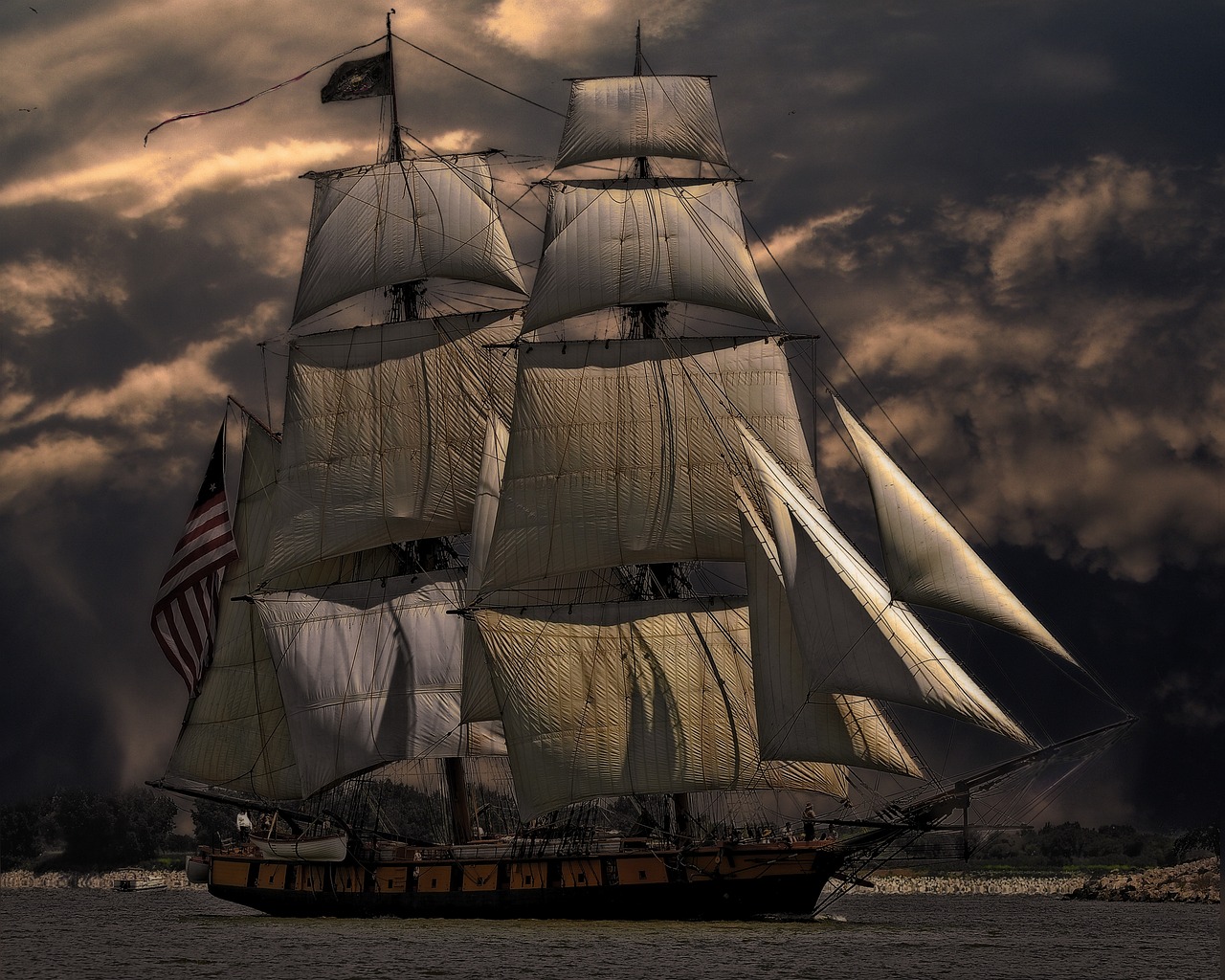
Patriotic Flags: Uniting Communities Through Symbolism
What are Patriotic Flags and Why Do They Matter?
Patriotic flags are powerful symbols representing national identity, heritage, and shared values. They evoke a sense of pride, unity, and belonging, fostering a collective sense of purpose among citizens. In an increasingly diverse world, these flags remain vital connectors to our history, culture, and aspirations.
Frequently Asked Questions (FAQs)
1. What makes a flag "patriotic"?
A patriotic flag is designed to represent a nation, its people, and its ideals. It often incorporates national colors, symbols, or emblems that evoke a strong sense of national identity. For example, the American flag features stars and stripes symbolizing the 50 states and the principles of liberty and unity.
2. How are patriotic flags created?
Designing a patriotic flag typically involves research and collaboration. Flag designers consider historical symbolism, cultural significance, and the flag's intended purpose. After selecting elements, they create digital designs, which are then printed on suitable materials, ensuring durability and vibrant colors.
3. What are the benefits of displaying patriotic flags?
Displaying patriotic flags offers numerous advantages:
- Promotes national pride and unity: Flags serve as a visible reminder of shared heritage and values, fostering a sense of belonging.
- Encourages civic engagement: They inspire citizens to participate in community events, elections, and national conversations.
- Celebrates diversity and unity in multicultural societies: Patriotic flags can unite diverse communities by representing shared ideals while acknowledging differences.
- Honors history and traditions: Flags often incorporate symbols with historical significance, connecting us to our past.
4. What are common types of patriotic flags?
Patriotic flags take various forms, each with its unique purpose:
- National flags: Officially recognized by a country's government, like the American flag or the French tricolor.
- State or provincial flags: Represent individual states or provinces within a larger nation, like California's flag or Ontario's.
- Historical flags: commemorate past events or military campaigns, like the Union Jack or the French Revolutionnaire flag.
- Symbolical flags: Represent abstract ideas or organizations, such as flags for peace, environmentalism, or human rights.
5. How much do patriotic flags cost?
Patriotic flag prices vary widely depending on:
- Size: Larger flags generally cost more.
- Material: High-quality materials like polyester or nylon are more expensive than cotton.
- Design complexity: Simple flags are less expensive than those with intricate details or specialized embroidery.
- Source: Prices can differ between manufacturers, retailers, and online marketplaces.
As a general guideline:
- Small flags (3x5 feet): $10 - $30
- Medium flags (4x6 feet): $20 - $50
- Large flags (5x8 feet): $50 - $100+
6. Where can I purchase patriotic flags?
You can buy patriotic flags from a variety of sources:
- Specialty flag stores: These retailers offer a wide selection of flags, both standard and custom-made.
- Online retailers: Websites like Amazon, eBay, and Etsy offer a convenient and often more affordable option.
- Government or official websites: Many countries' official tourism or cultural websites sell national flags.
- Craft stores: Some craft stores carry a limited selection of flags, particularly around national holidays.
7. How should I display a patriotic flag?
Proper flag display shows respect and honors its symbolism:
- Fly it at half-mast to signify mourning or respect: This tradition is observed on specific days of mourning or in response to national tragedies.
- Mount it on a pole: Ensure the flag is securely fastened and at the appropriate height, following local guidelines.
- Display it indoors in a prominent location: If flying outdoors is not feasible, place it on a wall or mantlepiece.
- Respect its size and scale: Avoid placing it where it will be crushed or damaged.
- Do not let it touch the ground: Treat the flag with the utmost respect by keeping it aloft.
8. Are there rules for handling and retiring patriotic flags?
Yes, proper handling and retirement of flags is important:
- Handling: Always handle flags with clean hands and avoid creasing or damaging them. Never use a flag for advertising or promotional purposes.
- Retiring a flag: When a flag becomes tattered or worn, retire it respectfully through designated programs or veterans' organizations. Never dispose of a flag in a landfill.
9. Can patriotic flags be personalized?
Absolutely! Custom flags can be designed with specific messages, logos, or symbols. This makes them ideal for:
- Community events: Schools, organizations, or groups can order personalized flags for parades, festivals, or other gatherings.
- Businesses: Companies can use custom flags as promotional tools or to mark their locations.
- Special occasions: Personalized flags make unique gifts for weddings, anniversaries, or other memorable events.
10. How do patriotic flags contribute to community building?
Patriotic flags serve as focal points for community gatherings and celebrations:
- Parades and festivals: They lead the way and create a sense of unity during public events.
- Memorial services: Flags are often displayed at memorial sites and ceremonies to honor the fallen.
- Sports events: Teams often fly national or regional flags to represent their communities and foster a competitive spirit.
- Public art installations: Grouped together, flags can create stunning visual displays that tell the story of a nation's history and culture.
11. What are some real-world examples of patriotic flags in action?
- The Berlin Wall: The remnants of the Berlin Wall are often adorned with flags, symbolizing German reunification and freedom.
- National holidays: On Independence Day or similar celebrations, homes and public buildings are draped in national flags, showcasing national pride.
- Olympic Games: Athletes from around the world enter the stadium under their national flags, representing their countries in a spirit of friendly competition.
- Peace protests: Flags of different nations often fly side-by-side during peace marches, symbolizing global unity and cooperation.
12. Looking ahead, what is the future of patriotic flags?
Patriotic flags are likely to evolve in response to changing social and political landscapes. We can expect to see:
- Increased use of digital flags: Virtual reality and online platforms may offer new ways to display and interact with patriotic symbols.
- Emphasis on inclusivity: More diverse designs and interpretations will reflect the changing demographics of nations worldwide.
- Integration of technology: Interactive flags with QR codes or other technologies could provide access to historical information or multimedia content.
- Continued importance as symbols of identity: Despite globalization and changing trends, patriotic flags remain powerful tools for fostering a sense of belonging and connection.
Category: Patriotic Flags
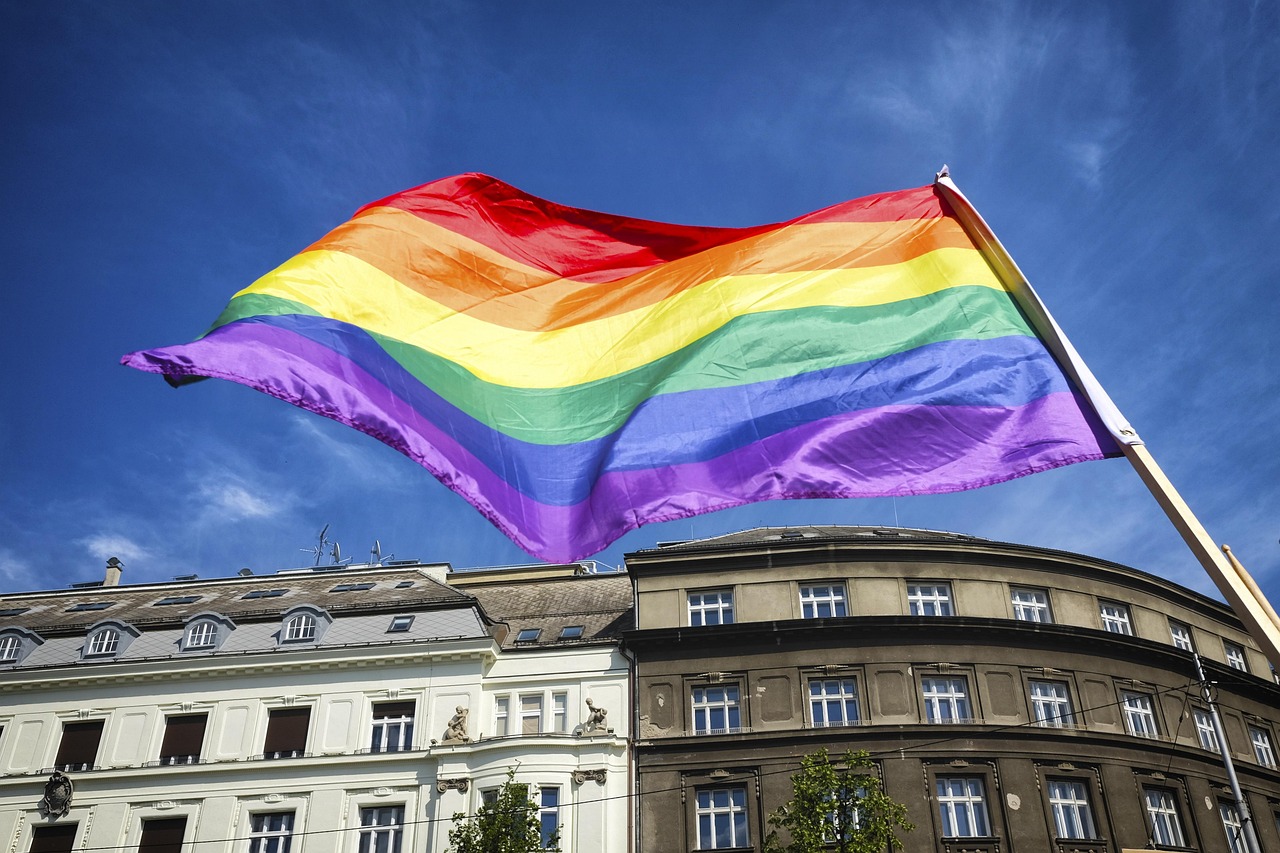
Inspire Flag Art: Design, History, Create Unique Patriotic Flags
Read more →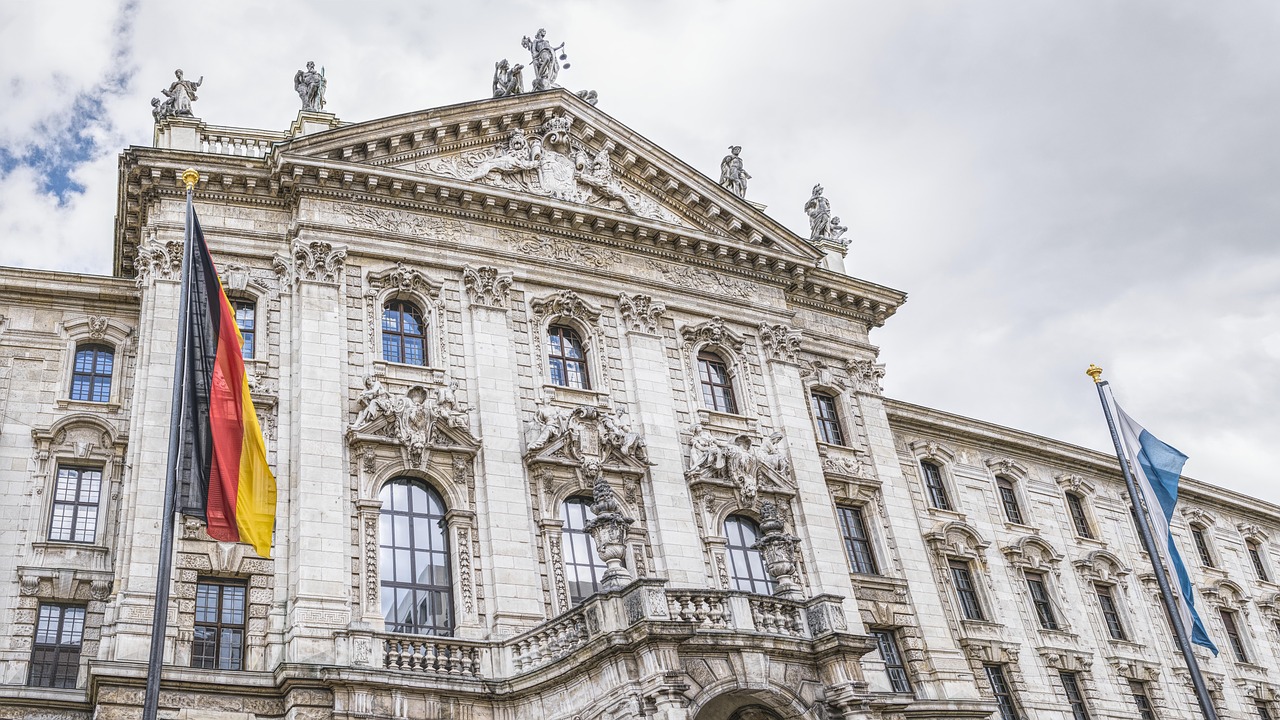
Unraveling History: Patriotic Flags & Their Heritage
Read more →
Mastering Patriotic Flags: Official Ceremony Protocol
Read more →
Fabric Choices: Strengthen the Resilience of Patriotic Flags
Read more →
Exploring Patriotic Flags: Design, History, Etiquette, and Global Symbolism
Read more →