Key Takeaways
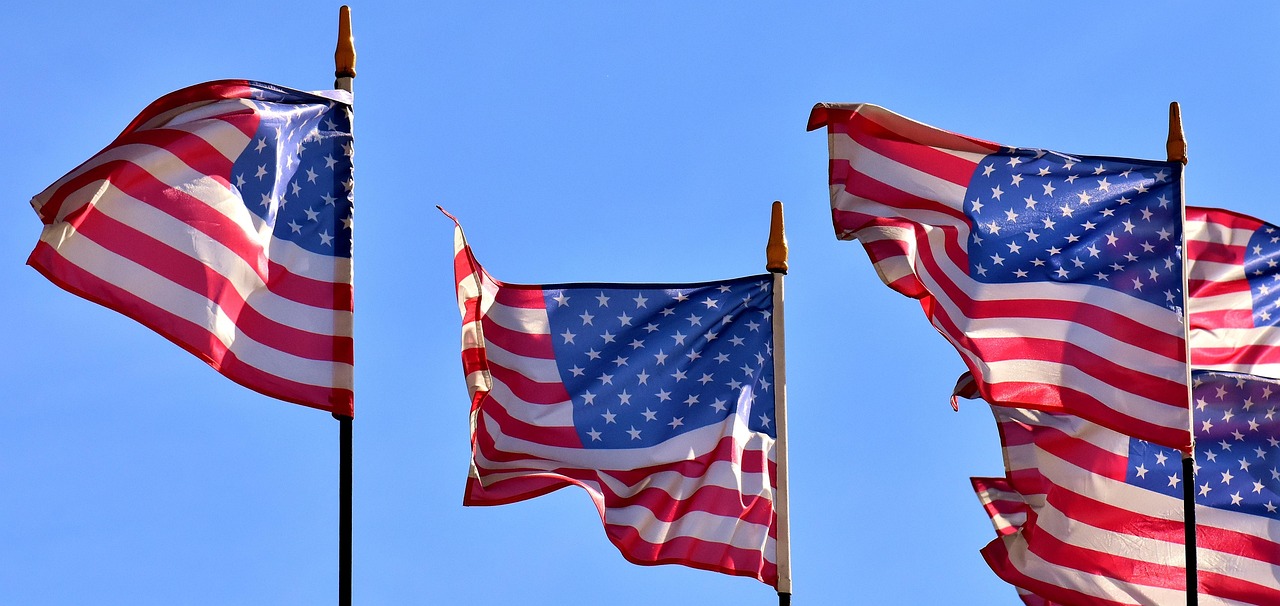
- The American flag's design has evolved, reflecting the nation's growth and values, from the original 13 stars and stripes to the current 50 states.
- Each star on the flag represents a state, symbolizing unity and the shared ideals that bind the nation together.
- The colors red, white, and blue have specific meanings, with red signifying valor, white representing purity, and blue standing for perseverance.
- The flag's design has been a powerful symbol of freedom and democracy, inspiring movements for independence and influencing other nations' flags.
- Throughout history, the American flag has been used not only as a symbol of national pride but also as a tool for political protest and social change.
- Proper display and respect for the flag are crucial, with established guidelines for its flying and hanging to ensure its dignity and honor.
- Vintage and historic flags require special care and preservation to maintain their authenticity and historical significance.
The history of American flag symbols is a powerful tale of unity and identity. The first official U.S. Flag, the Stars and Stripes, was adopted in 1777, featuring 13 stars and 13 stripes to represent the original colonies. Over time, the flag evolved with new states joining the Union, adding stars to reflect growth. Today, the flag's design stands as a powerful symbol of freedom, democracy, and the values that define America.
The patriotic flags of the United States are more than just pieces of cloth; they are powerful symbols of our nation's history, values, and unity. The design and arrangement of stripes, stars, and other emblems on these flags carry deep cultural and political significance. However, understanding the history behind these symbols is crucial for proper display and interpretation, ensuring respect and appreciation for their meaning. This article examines the rich history of American flag symbols, exploring their evolution, design principles, and the cultural impact they have had on our nation. By understanding the stories behind these flags, we can better honor and display them as they deserve.
- Origins of Patriotic Flags in America
- Evolution of Design and Symbolism
- National Adoption: History and Debates
- Cultural Impact and Meaning Over Time
- Modern Usage and Respect: Caring for History
Origins of Patriotic Flags in America

The origins of patriotic flags in America trace back to the nation's founding, reflecting the desire to symbolize unity and freedom. This flag, with its thirteen stripes and thirteen stars, became a powerful symbol of the nascent nation's independence and aspirations. The design process involved close collaboration between Ross and the Continental Congress, demonstrating the importance of flag design as a representation of national identity.
Over time, the American flag evolved to accommodate the growing number of states, with each new star symbolizing a new republic. This dynamic reflects the nation's growth and the ongoing process of democracy in action. The flag's design has not only served as a beacon of national pride but also as a versatile tool in ceremonies and events. How patriotic flags are used in ceremonies often involves elaborate displays during celebrations, military events, and official functions, emphasizing the community's collective identity and history. The flag's horizontal and vertical orientations play significant roles in these ceremonies, with specific guidelines for their display, such as the correct way to display patriotic flags vertically, ensuring respect and dignity.
Understanding the history of patriotic flags is crucial for proper display, both indoors and at schools. The way to display patriotic flags correctly involves more than just aesthetics; it is a demonstration of respect and appreciation for the values they represent. At school, for example, flags can foster a sense of unity and pride among students, encouraging them to learn about their nation's history and symbolism. This educational aspect extends to online communities and digital archives, where enthusiasts and scholars share their knowledge about flag design, embossing techniques, and the evolution of patriotic symbols. Even in everyday settings, like homes and public spaces, the strategic display of patriotic flags through proper horizontal orientation can create a welcoming and inclusive atmosphere, reflecting the nation's diverse mix.
To maintain the integrity of these powerful symbols, it's essential to care for vintage patriotic flags properly. The process involves specific methods for cleaning and storage, ensuring they remain in good condition for future generations. This care extends to the choice of flag materials and supplies, with manufacturers continually developing new fabrics to meet the demand for durable yet vibrant flags. The history of American patriotic flags is a sign of the enduring power of symbolism in shaping a nation's identity and fostering a sense of community.
Evolution of Design and Symbolism
The evolution of design and symbolism in American flags is a rich mix woven with threads of history, revolution, and unity. From the earliest days of the Republic, these flags have served as powerful symbols, reflecting the values and aspirations of the American people. The design of the flag has changed over time, with each iteration representing a phase in the nation's development. The original "Betsy Ross" flag, featuring 13 stars and 13 stripes, was a poignant symbol of independence and the union of the original colonies. Today, the flag boasts 50 stars, each representing a state, and 13 stripes, symbolizing the 13 original colonies, encapsulating the growth of the nation.
The process of designing and creating flags has evolved too. Historically, flags were often hand-sewn by individuals or small workshops, with each one a labor of love. Today, flag-making is a highly industrialized process, with specialized suppliers and manufacturers offering a wide array of materials and designs. The internet has democratized access to flag-making, with online communities and resources allowing individuals to create custom flags, including DIY flags, for special occasions and personal expression. This shift has also led to a more diverse range of designs, with some flags featuring intricate emblems, seals, and symbols that tell the stories of communities and specific causes.
How flags are used in parades is a vivid display of their symbolic power. During parades, the flags are often flown at the front, leading the procession, or carried by participants as a symbol of unity and pride. They are a visual representation of the nation's history, values, and ideals, serving as a reminder of the sacrifices made for freedom and liberty. This use not only promotes patriotism but also fosters a sense of community and shared identity. During Veterans Day parades, the flags are often flown at half-staff as a mark of respect, highlighting their role in honoring those who have served.
The distinction between flags and national flags is crucial. While national flags represent the sovereign state and its institutions, flags are often more fluid and diverse. They can be designed to commemorate specific events, honor cultural heritage, or advocate for particular causes. The "Stars and Stripes" remains the official national flag, but flags like the "Old Glory" or "American Beauty" are used to evoke a range of emotions and sentiments beyond mere national identity. This flexibility in design and usage underscores the multifaceted role of flags in American culture, promoting not only patriotism but also the values of freedom, unity, and community.
National Adoption: History and Debates

The national adoption of the American flag, as we know it today, was a process rich in symbolism and debate. The journey to ratifying the design and establishing its place as the official emblem of the United States was far from straightforward. The story begins with early debates about what a national flag should represent and who should design it. One notable figure, Betsy Ross, is credited with creating the first American flag based on the resolutions of the Continental Congress in 1777. This early version, with its simple design of 13 stars and 13 stripes, sparked conversations about the flag's meaning and its role in fostering a sense of national identity.
As the nation grew, so did the complexity of the flag's symbolism. Each new star represented a state joining the Union, adding layers of history and pride to the flag's design. The 13 stripes, originally symbolizing the original colonies, also came to represent the unity and diversity of the states. This evolution led to a national debate about flag design, with various proposals and modifications over the years. The process of adopting a permanent design reflected the values and aspirations of the American people, ensuring the flag reflected the nation's changing landscape.
The current design, with 50 stars and 13 stripes, was officially adopted in 1960, marking a significant milestone. This version, created by a joint resolution of Congress, is a sign of the nation's growth and unity. How flags represent history is evident in the star arrangement, with each one symbolizing a state, reflecting the collective story of the United States. To display these historical flags correctly, it's essential to understand the symbolism behind each element. Hanging the flag vertically with the stars to the left is a respectful gesture, acknowledging the past while looking forward to the future.
To honor the flag's history and meaning, consider creating a patriotic flag banner for special occasions. This DIY approach allows for personal expression while keeping the design respectful and authentic. By understanding the flag's evolution and the symbolism it holds, citizens can display flags correctly, promoting patriotism and celebrating the nation's rich history.
Cultural Impact and Meaning Over Time
The history of American flag symbols is a sign of the evolving nature of national identity and cultural values. Flags have long served as powerful emblems, transcending their initial practical function of signaling and recognition to become complex cultural artifacts. Over time, these flags have taken on diverse meanings, reflecting the nation's experiences, struggles, and triumphs. From the early days of the United States to modern times, the cultural impact of flags has been profound, shaping public demonstrations, celebrations, and everyday life.
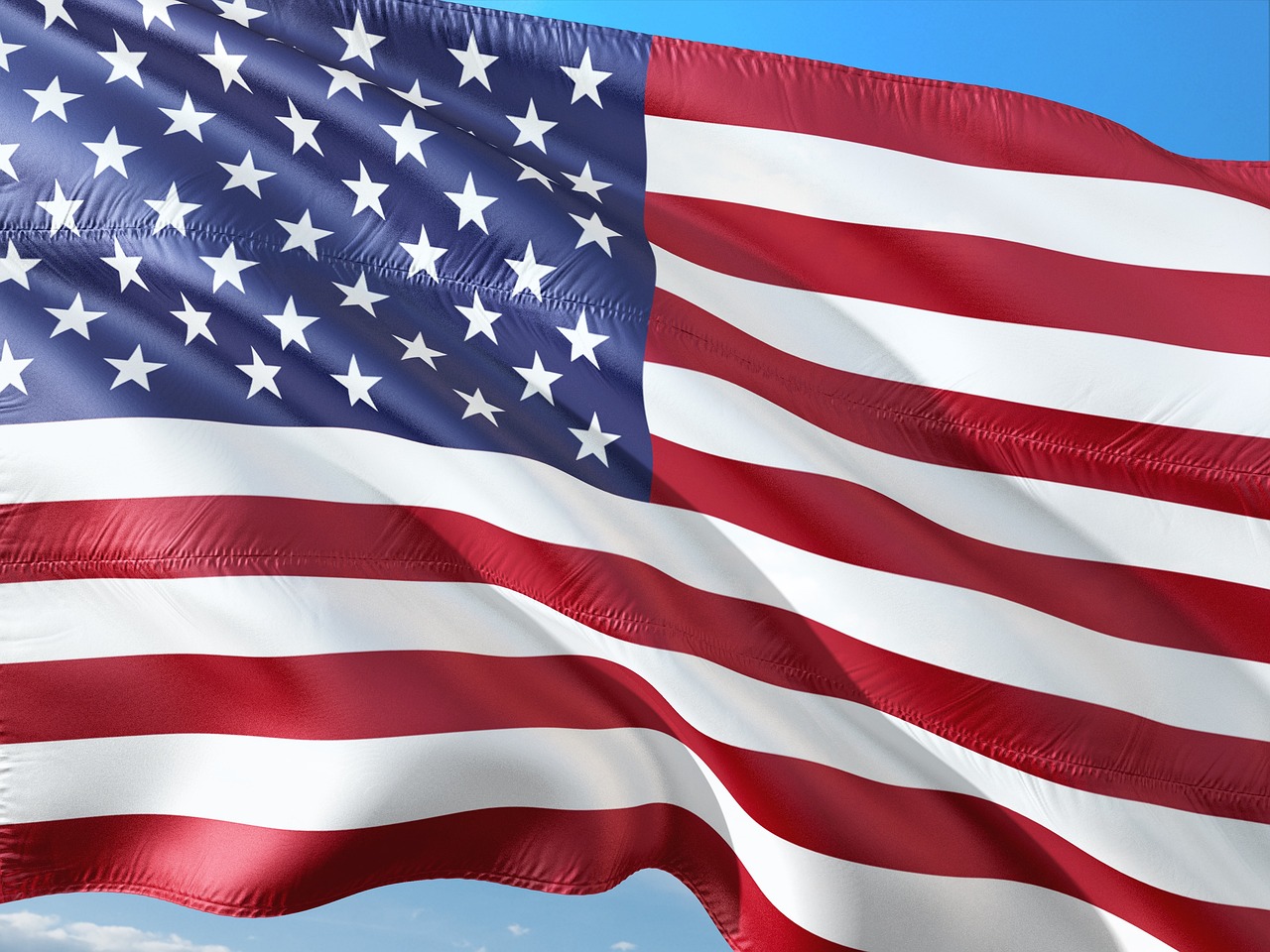
The iconic Stars and Stripes, with its red, white, and blue stripes and stars, has been a symbol of unity and pride for Americans across generations. Originally designed by Betsy Ross, it has undergone several iterations to reflect the growth of the nation. Today, it is flown proudly on special occasions, from Independence Day celebrations to memorial services, as a mark of respect and national identity. Flags for special occasions have become a ubiquitous sight, with communities and individuals displaying them to show unity and support for shared values.
Creating DIY flags has also become a popular pastime, with many taking up flag-making as a hobby. This hands-on approach allows individuals to express their love for their country and learn about the history and symbolism behind the various designs. The process of making a flag, from selecting materials to stitching the stripes and stars, becomes a meaningful act of patriotism. Similarly, how to display flags indoors or outdoors has become a subject of expert guidance, with flag etiquette guidelines ensuring respect and honor for these powerful symbols.
As American society evolved, so too did the meaning and interpretation of flags. They have become vehicles for storytelling, preserving historical narratives and sharing them with future generations. Digital flag archives and online communities have emerged, providing spaces for enthusiasts to share knowledge, preserve designs, and explore the rich history behind each unique flag. This digital preservation is crucial for maintaining cultural continuity, ensuring that the stories and symbolism of flags endure far into the future.
Modern Usage and Respect: Caring for History

The history of American flag symbols is a sign of the nation's evolving identity, with each new iteration reflecting the values, struggles, and triumphs of its time. Today, caring for this history is paramount, as the display and respect shown to flags have become intricate dances between preserving the past and addressing contemporary sensitivities.
Modern usage of flags is deeply intertwined with public spaces and community events. From town hall meetings to sporting events, these flags serve as symbols of unity, pride, and national identity. However, their display requires careful consideration. How to care for flags involves understanding their construction and the delicate balance between honoring history and avoiding offense. Flag makers and enthusiasts emphasize the importance of using appropriate materials and methods, such as high-quality fabrics and proper flag-folding techniques, to preserve the integrity of these symbols.
Displaying flags requires a thoughtful approach. The placement, context, and company of a flag can greatly impact its meaning and the sentiments it evokes. Flags flown at half-mast convey a sense of mourning and respect, while brightly colored flags in a parade represent celebration and joy. Understanding the symbolism on flags is crucial. Each stripe, star, and emblem tells a story, from the original thirteen colonies to the diverse mix of modern America. Online communities and digital archives dedicated to flag design and history offer valuable insights into these symbols, fostering a deeper appreciation for their complexity.
Respecting the past while navigating the present requires a nuanced understanding of flag etiquette. Guidelines, such as those provided by Flag Etiquette Guidelines, offer practical advice on proper flag handling and display. Indoor flag displays should be made with care, while flag burning ceremonies, though controversial, have historical roots in expressions of protest and patriotism. By following these practices, communities can ensure that flags serve as powerful reminders of our shared history, fostering a sense of belonging and national pride while respecting the diverse perspectives of the present.
A Comparison of American Flag Symbols: Historical and Modern Interpretations
This comparison looks at three distinct American flag symbols-the Confederate flag, the Union flag, and a modern multicultural banner-to explore their historical roots, contemporary uses, and the ongoing debates surrounding them.
| Feature | Confederate Flag | Union Flag | Modern Multicultural Banner |
|---|---|---|---|
| Key Features | Symbolized the Confederacy during the Civil War; later adopted by white supremacist groups. | Represents the United States of America; a symbol of national unity and freedom. | Celebrates the diversity of America's cultures and ethnicities; often used in pride parades and events. |
| Best Use Cases | Historical study and memorialization of the Confederacy, with strong regional significance in the South. | Displayed widely throughout America, from government buildings to homes, symbolizing patriotism and national identity. | Used in multicultural festivals, schools, and events to foster inclusivity and cultural understanding. |
| Strengths | Evokes a sense of regional heritage and pride for some; serves as a reminder of the Civil War's complexities. | A powerful symbol of American ideals, freedom, and democracy; easily recognizable worldwide. | Promotes unity and diversity; challenges stereotypes and encourages cultural exchange. |
| Limitations | Highly controversial due to its association with slavery, racism, and the defense of a pro-slavery government; causes offense to many Americans. | Can be polarizing for those who interpret it as representing a specific political or ideological perspective; may overshadow its broader meaning. | May be seen as overly generalizing cultural identities; can overlook specific ethnic or cultural traditions. |
| Cost/Performance | Often relatively inexpensive to produce; widely available in various forms, from flags to clothing. | Widely available and relatively inexpensive; performance varies based on material and quality. | Varies greatly in cost depending on the event and size; generally considered a cost-effective way to celebrate diversity. |
Quick Reference
- Research historical context: Understand the era, events, and cultural influences behind each flag design.
- Identify key symbols: Look for unique motifs, colors, and patterns that represent specific causes or regions.
- Compare and contrast: Examine similarities and differences between flags to distinguish their meanings.
- Consider the source: Verify flag origins and uses from reliable historical sources.
- Understand cultural significance: Recognize how flags have been used to represent identity, unity, or division.
- Avoid generalizations: Avoid assuming a flag's meaning based on its appearance alone; context is key.
- Contextualize modern uses: Analyze how flags are displayed and interpreted in contemporary settings.
- Engage in open dialogue: Encourage discussions to clarify misunderstandings and promote cultural sensitivity.
Reconciling Historical Divide: The Case of the Confederate Flag in South Carolina
Situation
In South Carolina, the display of the Confederate battle flag on state capitol grounds sparked a long-standing and passionate debate. The flag, a symbol deeply rooted in the state's history and culture, was seen by some as a representation of regional pride and heritage, while others viewed it as a painful reminder of slavery and racial oppression. This conflict reached a boiling point in 2015 when a mass shooting at a historic African American church in Charleston led many to call for the flag's removal, arguing that it incited racial hatred and perpetuated a culture of division.
Action
State legislators initiated a process to address the contentious issue. They formed a special committee to study the flag's history, cultural significance, and the potential impact of its removal. The committee engaged in public hearings, collecting testimony from a diverse range of individuals, including historians, educators, community leaders, and descendants of the Confederacy. This inclusive approach aimed to understand the multifaceted nature of the symbol and its role in contemporary society.
The committee also consulted with experts in museum curating and historical interpretation to explore alternative ways of commemorating the state's history while promoting racial healing and understanding. This included considering the display of more inclusive and representative flags, as well as educational exhibits that contextualized the flag within the broader history of the Civil War and Reconstruction.
Result
After months of deliberation, the committee proposed a compromise solution. In 2017, South Carolina officially removed the Confederate battle flag from the capitol grounds but kept a smaller version of the flag in a museum on the premises, acknowledging its historical significance. This approach allowed for a respectful commemoration while also recognizing the state's commitment to racial equality and reconciliation.
The state's actions sparked a broader national dialogue about the role of historical symbols in public spaces. Similar debates emerged in other states with Confederate flags, leading to a variety of resolutions, including flag removals, historical exhibits, and the adoption of alternative symbols. The South Carolina case became a model for constructive dialogue, demonstrating that acknowledging the past and working towards reconciliation can involve a nuanced and respectful approach to historical symbols.
Frequently Asked Questions About The History of American Flag Symbols
What are the most well-known American flags throughout history? The most well-known American flags include the Stars and Stripes (with its various iterations), the Stars and Stripes with the Confederate flag, and the modern United States flag with 50 stars. These flags have played significant roles in shaping the nation's identity, from the Revolutionary War to the Civil War and beyond, each bearing unique historical and symbolic value.
Why did the Confederate flag become so controversial? The Confederate flag, officially known as the "Confederate States of America" flag, sparked controversy due to its association with the American Civil War (1861-1865). It represented the Southern states that seceded from the Union, advocating for the preservation of slavery and states' rights. Today, many view the flag as a symbol of racism, white supremacy, and the lost cause of the Confederacy, leading to its ban in many public spaces.
How have American flags evolved over time? American flags have evolved significantly, reflecting changes in the nation's political landscape. The original "Betsy Ross" flag had 13 stars and 13 stripes, symbolizing the original 13 colonies. As new states joined the Union, the flag was modified, with each new star representing a state. The current 50-star flag, adopted in 1960, signifies the 50 states of the United States.
What is the significance of the stars and stripes pattern? The stars and stripes pattern in American flags symbolizes the unity of the states under the Union. The stars represent the individual states, while the stripes symbolize the original colonies and the connections between them. This design has remained consistent throughout the flag's history, evolving only to include new stars for each new state.
Are there any cultural or regional variations in flag design? Yes, there are cultural and regional variations in flag design. Many states have official flags that incorporate unique colors, patterns, and symbols. These designs often reflect the state's history, geography, or cultural heritage. While they follow the basic stars and stripes pattern, they add distinctive elements that set them apart from the national flag.
How do people show respect for American flags in daily life? Respect for American flags is shown in various ways. Flying the flag at half-staff to honor a national tragedy, properly retiring or destroying worn or tattered flags, and participating in flag-raising and lowering ceremonies are common practices. Many people display flags in their homes, cars, or gardens as symbols of pride, patriotism, and respect for the nation.
What legal considerations surround flag display in public spaces? Displaying flags in public spaces is subject to local laws and regulations. Some cities and states have specific rules regarding flag placement, size, and respect. It's essential to understand these laws to avoid any potential issues. Many places have ordinances regarding flag placement on public buildings and the proper way to retire a worn flag.
The history of American flags is a rich mix woven with threads of revolution, unity, and, at times, division. From their humble beginnings as symbols of independence to their current status as national emblems, these flags have evolved to reflect the changing landscape of American identity. By understanding the origins, design shifts, and cultural impact of flags, we gain valuable insights into our collective past and present.
The evolution of these flags mirrors America's own growth, from the initial stars and stripes that ignited a revolution to the intricate designs representing a diverse nation. Their national adoption was not without debate, reflecting the complex interplay of identity, memory, and politics. Over time, flags have taken on varied meanings, both as symbols of pride and as catalysts for controversy, underscoring the fluid nature of cultural expression.
In the modern era, the display and respect for flags require careful consideration. We must honor their historical significance while recognizing that their meaning can vary widely among individuals and communities. By studying and caring for these flags, we not only preserve history but also foster a deeper understanding of our shared experiences and the ongoing evolution of American identity.
Practical applications include engaging in open dialogue about flag displays, promoting cultural sensitivity, and encouraging historical research. Whether through public displays, educational initiatives, or personal collections, the thoughtful exploration of flags offers a pathway to reconcile the past, understand the present, and shape a more inclusive future.
The American flag, designed by Betsy Ross in 1776, symbolizes the nation's independence and unity. Its creation involved collaboration between Ross and the Continental Congress, reflecting the diverse perspectives of the time. Flags, as symbols of national identity, have a rich history in the United States, representing the aspirations and values of the nation.