Key Takeaways
- Cultural exchanges can greatly benefit from a well-defined flag protocol, fostering mutual understanding and respect.
- Understanding the symbolism and history behind flags ensures respectful display and interpretation during events.
- Different countries have unique flag etiquette; researching local customs is essential for cultural sensitivity.
- Proper flag display, both indoors and outdoors, enhances the impact of cultural events and symbols.
- Using flags as a tool for education can teach history, patriotism, and cultural diversity to all ages.
- Vintage or rare flags require specialized care to preserve their historical value and integrity.
- Authentic flags from reputable sources ensure the accuracy and quality of representations in cultural exchanges.
Cultural exchanges often include displays of patriotic flags, symbolizing unity and shared values. When participating in such exchanges, it's crucial to understand proper flag protocol. This includes knowing when and how to display flags, their correct size and placement, and the significance of specific colors and designs. Following these guidelines ensures respectful and meaningful representations.
The display and protocol surrounding patriotic flags during cultural exchanges play a crucial role in fostering understanding and respect between nations. However, the complexity of flag symbolism and the lack of standardized guidelines can lead to misunderstandings, even unintentional offenses. This article provides a comprehensive, expert-level overview of flag protocol for cultural exchanges, examining the symbolism, display, and care of patriotic flags. We explore best practices, historical perspectives, and the impact of flags on cultural identity, offering practical, actionable advice for organizers, educators, and individuals navigating these sensitive yet powerful cultural exchanges.
- Understanding the Power of Patriotic Flags
- Choosing and Displaying Flags Properly
- The Role of Flags in Cultural Exchanges
Understanding the Power of Patriotic Flags

Patriotic flags are more than mere pieces of fabric; they are powerful symbols that can foster unity, commemorate history, and inspire pride. When used in cultural exchanges, these flags become a language of their own, transcending borders and languages. Understanding the symbolic value of patriotic flags is crucial for anyone involved in organizing events, participating in ceremonies, or simply displaying them in public spaces.
The design and symbolism of patriotic flags can be deeply meaningful, reflecting the cultural, historical, and political identity of a nation or community. The stars and stripes of the American flag represent the unity and diversity of its people, while the Union Jack of the United Kingdom symbolizes centuries of tradition and heritage. Flag design studios and online communities have emerged as vital hubs where individuals can explore and share their passion for creating and interpreting flags. They offer a platform for innovative flag design, encouraging creativity and cultural exchange.
When deciding when to fly flags, consider their significance and context. They are often displayed during special occasions, such as holidays, national celebrations, and community events. On Independence Day, homes and public buildings are adorned with flags, symbolizing national pride and freedom. Similarly, flags can be a powerful tool for teaching children about their heritage and history. Workshops and educational programs can teach kids how to make their own flags, fostering a deeper understanding of their cultural roots.
Creating your own patriotic flag is a meaningful endeavor that can be as simple or intricate as desired. Using readily available flag-making supplies, individuals can design flags that reflect their unique perspectives and communities. A flag for a sports team can incorporate the team's colors and emblem, fostering a sense of unity among fans. Similarly, flags for veterans honor their service and sacrifice, often featuring symbols of strength, courage, and remembrance. Finding authentic flags, whether for personal display or special events, is accessible through dedicated online communities and suppliers, ensuring the preservation of cultural symbolism. Even in different countries, flags serve as universal symbols of identity and unity, as evidenced by their use in international ceremonies and cultural exchanges.
Choosing and Displaying Flags Properly
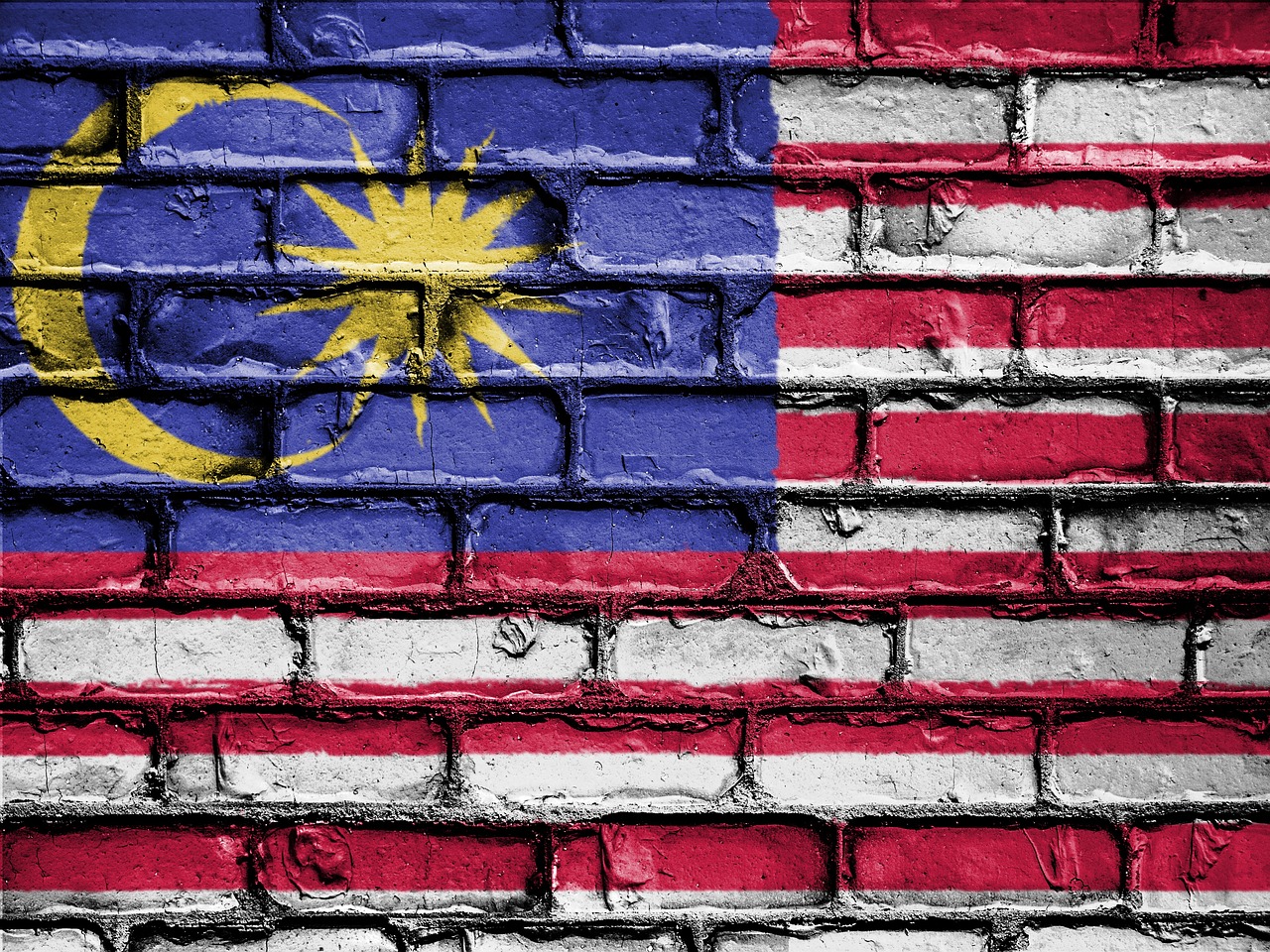
Choosing and displaying flags properly is an art that requires understanding both the symbolism and the protocol. When selecting flags for a cultural exchange, it's crucial to consider the event, the audience, and the message you want to convey. The design process involves more than just aesthetics; it should resonate with the participants and reflect the values of the occasion. When creating a patriotic flag for a school event, the design might include symbols that represent unity, diversity, or academic excellence, tailored to the specific school's ethos.
Outdoors, flags take on a new life, subject to weather conditions and visibility. They should be displayed at a height that's visible to all, with the blue field (if applicable) positioned at the top, as this is traditionally considered the honorable side. The American flag, for example, follows the "union up" rule, where the stars and stripes are always face upwards. When displaying flags outdoors, consider the wind and choose materials that can withstand the elements, ensuring they remain intact and proudly flying.
In a school setting, flags can foster a sense of community and belonging. They should be hung at a suitable height, accessible to students, and positioned in areas that encourage participation and conversation. For military ceremonies, the protocol is slightly different. The flag is often carried in a solemn procession, and its display is coordinated with precise movements and rituals. Give us a call at flags for military ceremonies to ensure you follow these specialized protocols, as they demand the utmost respect and care.
Finally, when designing or selecting a patriotic flag, keep in mind that its purpose is to evoke a sense of pride and identity. The colors, shapes, and symbols should tell a story-whether it's a nation's history, a group's heritage, or a community's values. This thoughtful approach ensures that the flag serves its intended purpose, fostering understanding and respect among those who see it.
The Role of Flags in Cultural Exchanges
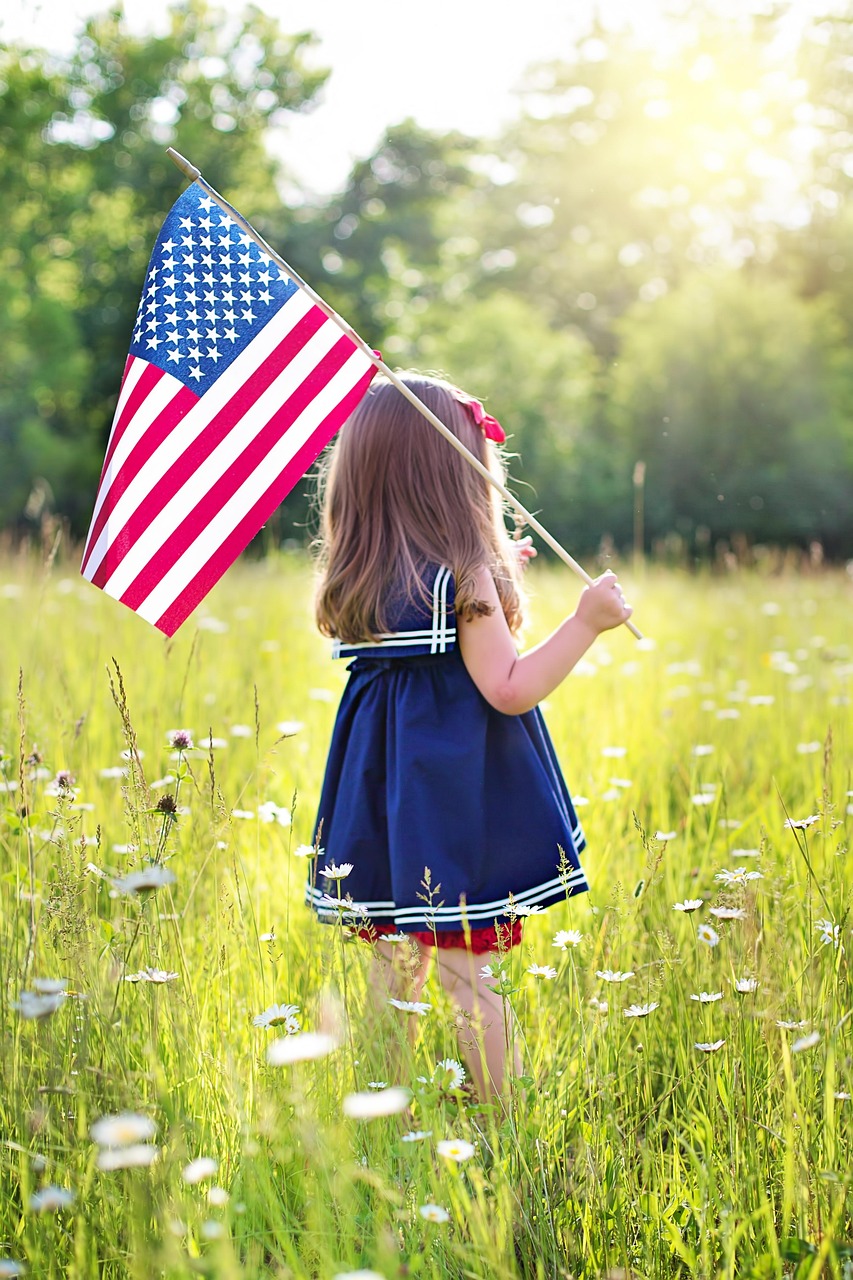
Flags have long served as powerful symbols, representing a nation's identity, history, and values. In cultural exchanges, flags play a pivotal role in fostering understanding, unity, and mutual respect. They act as visual bridges between communities, conveying messages of friendship, solidarity, and shared heritage. During international student exchanges, carefully chosen and appropriately displayed flags can help newcomers feel welcomed and at home, providing a tangible connection to their host country.
How flags represent freedom is another significant aspect. Many flags incorporate colors and designs that evoke concepts of liberty, justice, and equality. These symbols resonate deeply with individuals and communities, especially those who have fought for or are currently advocating for these ideals. In educational settings like schools and universities, strategically displaying flags can serve as a constant reminder of the values that unite a nation. A school might choose to display the national flag prominently in its main lobby, alongside flags representing diverse cultural heritage, to promote an inclusive environment where students from all backgrounds feel valued and respected.
For how to display flags at school, a few key guidelines should be followed. Flags should be flown at half-staff to honor national and local heroes, and they should be illuminated during ceremonies and special events. Specific areas within the school, such as the cafeteria or assembly hall, could be designated for flag displays, ensuring they are visible and accessible to all students. At home, how to display flags properly is equally important. They can be hung in living rooms, bedrooms, or outdoor areas, always at a respectful height and distance from the ground or other structures. Visiting us at how to display flags at home anytime offers a wealth of practical advice for individuals looking to honor their country and community through flag display.
Proper flag etiquette, including how to display flags horizontally or vertically, is crucial to maintain respect and dignity. Vertical displays are typically reserved for indoors, with the union (top left corner) facing upwards. Horizontal displays, on the other hand, are most common outdoors, with the union in the top left position when viewed from the front. Understanding these nuances ensures that flags are shown the respect they deserve, reflecting the values and traditions they represent.
Comparing Flag Display and Protocol Solutions for Cultural Exchanges
This comparison looks at different approaches to flag display and protocol in the context of cultural exchanges, highlighting their unique features, strengths, and use cases.
| Feature | Flag Display & Protocol (Solution A) | Custom Flag Creation (Solution B) | Digital Flag Displays (Solution C) |
|---|---|---|---|
| Key Features | Offers standardized protocols for flag display during cultural events, emphasizing respect and symbolism. | Allows the design and creation of custom flags tailored to specific cultural groups or events. | Utilizes digital technology to project or display flags on screens, buildings, or other surfaces. |
| Best Use Cases | Ideal for official ceremonies, diplomatic meetings, and large-scale cultural festivals where uniform display is crucial. | Suited for cultural events emphasizing diversity, allowing representation of multiple groups through unique flag designs. | Effective for digital signage, public information displays, and virtual gatherings where visual impact and accessibility are key. |
| Strengths | Provides a clear framework for respectful and meaningful flag display, fostering cultural understanding and appreciation. | Enables self-expression and community building through distinctive flag designs that convey specific narratives or identities. | Offers dynamic and engaging visual content, accessible to a wide audience, and adaptable to various display environments. |
| Limitations | May lack flexibility in catering to diverse cultural needs and specific event themes. | Requires design expertise and can be time-consuming for complex or large-scale projects. | Dependable technology and internet access are necessary, and may not be suitable for outdoor or low-light conditions. |
| Cost/Performance | Relatively low initial cost for establishing protocols; ongoing expenses are minimal. | Varies widely based on complexity and scale; can be cost-effective for smaller, focused projects. | High upfront costs for hardware and software, but offers long-term performance and scalability. |
Quick Reference
- Respect cultural context: Understand the historical and contemporary significance of flags in the host nation.
- Obtain permission: Always ask for permission before flying or displaying flags outside of your home or designated cultural exchange area.
- Follow local laws: Familiarize yourself with flag regulations and cultural sensitivity guidelines specific to your location.
- Display appropriately: Respectful placement and size of flags reflect consideration for the host culture.
- Use correct symbolism: Ensure flags are flown or displayed accurately, reflecting their intended meaning.
- Educate yourself: Learn about the history and symbolism behind flags to foster meaningful cultural conversations.
- Be mindful of symbolism: Avoid displaying flags in a way that could be offensive or misinterpreted.
- Promote understanding: Use flags as a tool to spark positive cultural exchanges and build bridges between communities.
- Store flags safely: Keep them out of weather and damage, treating them with the same care as historical artifacts.
A Successful Flag Protocol for a Cultural Exchange Event at a High School
Situation
A high school in a diverse urban area was planning a cultural exchange event featuring students from several different countries. The school wanted to create a memorable and respectful experience for all participants, but they were uncertain about the proper display and handling of flags, especially since some students would be representing countries with complex historical and political backgrounds.
Action
The school's cultural exchange committee reached out to a local expert on flag protocol, who provided guidance tailored to the event's needs. They organized a workshop for students and chaperones, covering the following key aspects:
- Understanding the Meaning of Flags: The expert explained the symbolism and history behind various flags, helping participants appreciate the significance of each one.
- Proper Display Techniques: They demonstrated the correct ways to hang and display flags indoors and outdoors, including guidelines for vertical and horizontal orientations.
- Cultural Sensitivity: The workshop emphasized the importance of respecting cultural differences and avoiding potential offensive displays, especially regarding banners and symbols.
- Caring for Flags: They shared practical tips on how to clean and store flags to ensure their longevity.
Result
The event was a resounding success, with over 200 students participating from 10 different countries. The clear protocol ensured that all flags were displayed with dignity and respect. Students and chaperones reported feeling more confident in handling the flags, and the event organizers noted a significant reduction in inquiries related to flag protocol, indicating a successful learning experience. The workshop also fostered a deeper understanding of cultural diversity, with students sharing their experiences and insights with each other.
Frequently Asked Questions About Flag Protocol for Cultural Exchanges
What is the protocol for displaying flags during a cultural exchange event?
During cultural exchanges, flag protocol dictates respectful and appropriate displays. This often involves flying flags at half-staff, especially if other countries' flags are present. Each flag should be positioned in a way that shows respect, typically at eye level or slightly higher. It's crucial to know the specific customs of each participating nation, as flag displays can vary greatly between cultures.
How should I handle flags from countries with controversial political histories?
Flags representing nations with complex political histories, such as those associated with past colonialism or human rights concerns, should be treated with sensitivity. Consider consulting with cultural experts or local embassy representatives for guidance. Displaying these flags during a cultural exchange might be appropriate if it contributes to an educational or dialogue-focused event. However, ensure it's done so in a way that respects the diverse perspectives and feelings of all attendees.
When is it appropriate to remove a flag from display during an exchange?
A flag should be taken down if it becomes tattered, damaged, or if weather conditions necessitate it. If a cultural exchange involves nations that have had historical conflicts, removing flags might be a sign of mutual respect and consideration for sensitive emotions. Always refer to guidelines from the hosting organization or cultural advisors when in doubt.
What are some common mistakes to avoid when displaying flags?
Avoid displaying flags upside down, as this is considered a sign of distress or protest. Never use flags as decorations or props in a way that diminishes their significance. Refrain from placing flags on the floor or covering them, as these actions can be seen as disrespectful. Also, be mindful of the size of the flag in relation to its surroundings; it should be prominent enough to be seen and respected.
How can I ensure my cultural exchange event adheres to flag etiquette?
Hire cultural consultants or experts to guide your event planning. These professionals can advise on appropriate flag displays, including types of flags, their arrangement, and any specific customs related to flag handling. Encourage open dialogue about the significance of flags and their historical context. Provide resources and education to participants, fostering a deeper understanding of flag etiquette.
Are there any global standards for flag protocol?
While there are no universal global standards, many countries follow the Geneva Convention, which outlines basic rules of respect for flags. International organizations often have their own guidelines, and cultural exchanges should adhere to the specific customs of participating nations. Researching and respecting these customs are key to successful and respectful cultural events.
Understanding the profound impact of flags on cultural exchanges is crucial for fostering meaningful connections and promoting mutual respect. By choosing and displaying flags properly, we can honor their symbolism and ensure they serve as symbols of unity rather than division. The article has provided a practical guide to navigating the protocol surrounding these powerful emblems, from their design and display to their role in international settings. Moving forward, recognizing the sensitivity and historical significance of flags is paramount. This includes adhering to established etiquette, respecting local customs, and engaging in open dialogue to avoid misunderstandings. By doing so, we can maximize the positive impact of flags in cultural exchanges and create environments that celebrate diversity and shared heritage.
Flags: Symbolism, Display, and Impact
Flags are powerful cultural symbols that foster unity, commemorate history, and inspire pride. Their design and meaning reflect a nation's or community's identity, values, and heritage. They are used in cultural exchanges to bridge communities, promote understanding, and honor shared history.
Displaying Flags:
- Context Matters: Flags are often displayed during special occasions, holidays, and community events to signify national pride and heritage.
- Outdoor vs. Indoor: Outdoors, flags should be visible and withstand the elements, following specific rules for orientation (e.g., blue field at the top). Indoors, they can be displayed at eye-level, with proper orientation (vertical: union in top left, horizontal: union in top left when viewed from front).
- School and Home Etiquette: In schools, flags promote a sense of community and belonging. They should be accessible and visible. At home, flags can be hung in living rooms or bedrooms, displayed respectfully at an appropriate height.
- Protocol for Ceremonies: In military or formal ceremonies, flag displays follow precise rituals, with coordinated movements and specific positions to honor the occasion.
Benefits and Responsibilities:
- Flags teach history and heritage, fostering a deeper understanding of one's roots.
- They promote cultural exchange and unity, serving as visual bridges between communities.
- Displaying flags responsibly honors freedom, liberty, and shared values, creating inclusive environments.
- Following proper etiquette ensures flags are shown the respect they deserve, reflecting the traditions they represent.