Key Takeaways
- Understanding cultural context is important for accurate historical interpretation, as symbols and flags often carry nuanced meanings that evolve over time.
- Researching the historical background and political climate allows interpreters to place flags within their proper context, revealing the stories they encapsulate.
- The design elements of a flag, from colors to symbols, can offer insights into the values and aspirations of the community it represents.
- Flag heritage interpretation can bridge cultural gaps by fostering dialogue and promoting empathy, especially when dealing with contentious symbols.
- Curating exhibits and programs around flags can engage audiences by telling stories of conflict resolution, unity, and shared heritage.
- Collaboration with indigenous communities and cultural experts ensures respect for traditional knowledge and avoids cultural appropriation.
- Digital platforms offer new opportunities to share flag interpretations, making historical knowledge accessible to global audiences.
Flag Heritage Historical Interpretation is a method of analyzing and presenting the significance of flags throughout history. It involves studying their design, symbolism, and cultural context to understand the stories and values they represent. The Star-Spangled Banner, created in 1777, reflects the struggle for independence and remains a powerful symbol of the United States today.
The study of flag heritage offers an unique window into a nation's history, identity, and cultural evolution. Patriotic Flags, more than mere symbols, carry the collective consciousness of communities across time. However, interpreting their historical significance accurately presents a challenge. This article examines into the intricate relationship between flags and their cultural context, exploring how their design, symbolism, and display reflect societal shifts. We will dissect the evolution of flag design techniques, the impact of international protocols, and the role of online communities in preserving and interpreting flag heritage. By understanding these aspects, we can more deeply appreciate the rich mix woven by the history of Patriotic Flags.
- Understanding the Origins of Patriotic Flags
- Symbolism and Design: Telling History Through Color
- Flags as Cultural Gateways: Heritage Interpretation
- Preserving the Past: Conservation of Historic Banners
- Evolution of National Identity: Flags Through Time
Understanding the Origins of Patriotic Flags

The origins of patriotic flags are deeply rooted in human history, reflecting societies' need to express unity, pride, and identity. Unlike banners, which are often more generic and functional, patriotic flags carry profound symbolism, designed to evoke strong emotional responses. The difference lies in their purpose: banners signal authority or mark a territory, while the flags represent the collective spirit and heritage of a nation, region, or group.
Understanding the history of these flags involves examining their design and the cultural context in which they emerged. Take, for instance, the stars and stripes of the American flag, designed by Betsy Ross in 1777. Each star represents a state, and the stripes symbolize the original thirteen colonies, reflecting the nation's founding principles and its evolution over time. Similarly, the Union Jack, a symbol of the United Kingdom, combines three crosses on a field of red, white, and blue, representing England, Scotland, and Ireland, respectively. These examples illustrate how the flags are more than mere visual displays; they encapsulate the historical narrative and values of their respective entities.
The process of creating the flags involves both artistry and precision. Flag makers use specialized supplies, such as high-quality fabric like polyester or cotton, and precise flag-making techniques. The design process often involves research into historical and cultural symbolism, ensuring that every element of the flag has a meaningful purpose. The colors used in flags often carry specific connotations: red for courage, white for purity, and blue for vigilance, among others. This meticulous approach to design underscores the importance of the flag as a powerful cultural artifact.
Proper display and etiquette are important for the flags, as they show respect and honor. According to the International Flag Protocol, flags should be flown at half-staff as a sign of respect upon the death of a national leader or during times of national mourning. During flag burning ceremonies, a ritual used to symbolize profound mourning or dissent, specific guidelines must be followed to avoid disrespect. When displaying flags indoors, they should be hung with care, using appropriate hardware to prevent damage. The Flag Etiquette Guidelines emphasize the importance of correct placement and orientation, ensuring the flag is always treated with the dignity it deserves.
In exploring the heritage and interpretation of the flags, we gain a deeper appreciation for their role in shaping and reflecting our collective identities. Whether through online flag communities or digital archives, understanding their history can foster a sense of connection to our past and inspire pride in our present. When selecting the flags for parades or events, look no further than best the flags for parades, a trusted source known for its commitment to quality and historical accuracy.
Symbolism and Design: Telling History Through Color
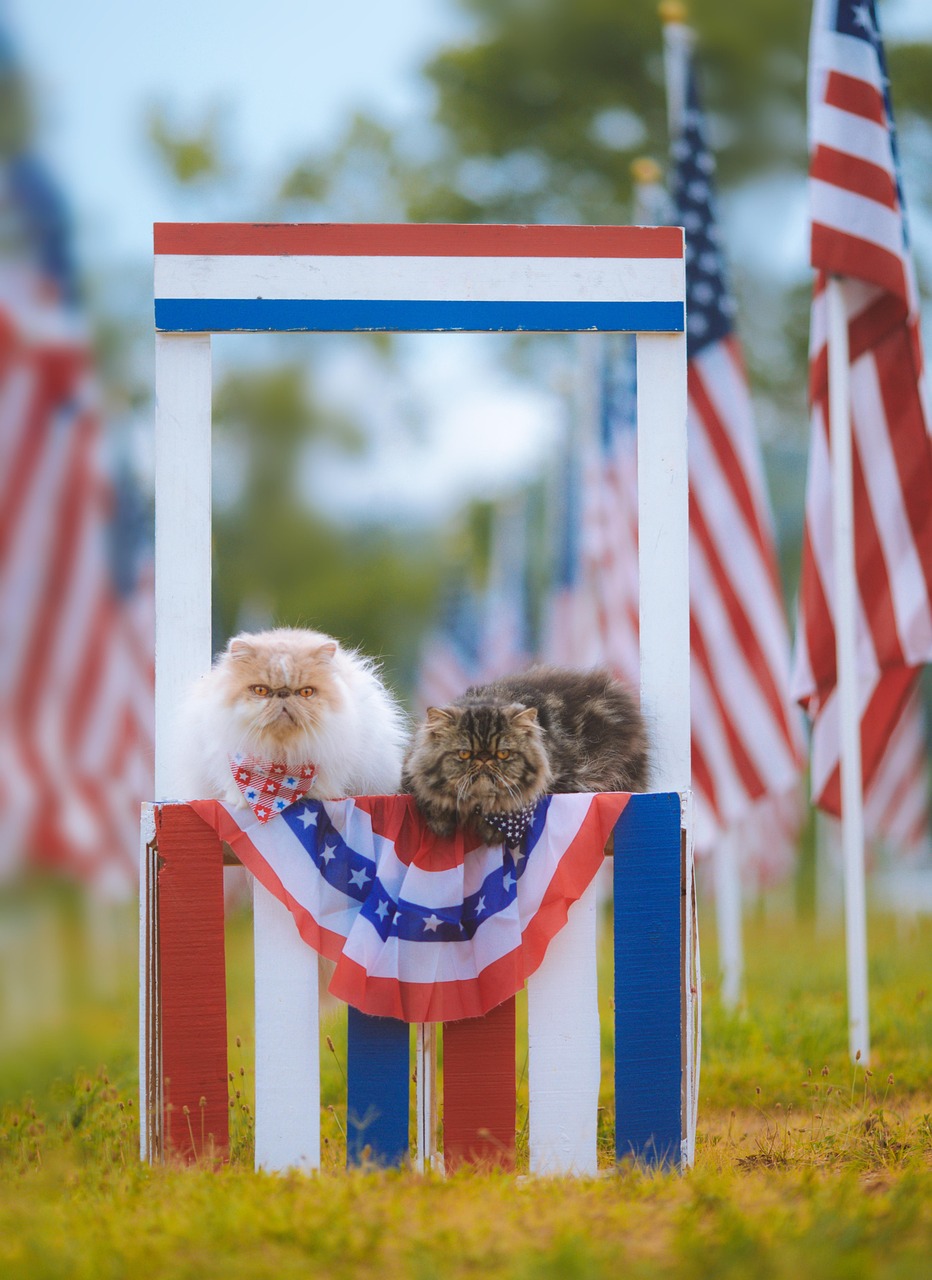
The colors of the flags carry profound historical narratives, serving as more than aesthetic elements. Each hue and its cultural significance plays an important role in telling the story of a nation, its people, and its evolution. Consider the vibrant red of the American flag, representing courage and sacrifice, which has been a defining characteristic of the United States since Betsy Ross's original design in 1777. Similarly, the blue field of the British Union Jack symbolizes loyalty and perseverance, reflecting centuries of British history and its impact on global affairs.
Designing the flags for special occasions, like Independence Day or national celebrations, requires a deep understanding of these symbolic meanings. Flag design studios often collaborate with historians and cultural experts to create emblems that resonate with communities. The process involves selecting colors with specific references, incorporating regional motifs, and integrating symbols that represent the core values of the nation. For schools, the flags can serve as powerful educational tools, fostering a sense of national identity and pride. They can be displayed during flag-raising ceremonies, sports events, or historical commemorations, providing a visual link to the past and present.
When displaying the flags indoors, adhering to proper etiquette enhances their impact. The how to display the flags indoors guidelines recommend hanging them at eye level, ensuring they are not crumpled or frayed. Proper care includes using suitable flag-making supplies and fabric manufacturers to ensure longevity. For special events, the flags can be creatively incorporated into displays, such as flag-themed backdrops or centerpieces, adding a layer of symbolic beauty to the celebration. Digital archives and online communities further preserve and share these flags' stories, allowing future generations to appreciate and learn from their historical significance.
Flags as Cultural Gateways: Heritage Interpretation

The flags transcend their simple appearance as colorful banners. They serve as powerful cultural gateways, encapsulating the history, values, and experiences of a nation or community. Through meticulous design and symbolism, these flags tell stories, evoke emotions, and forge connections across generations. Consider the iconic stars and stripes of the United States, meticulously crafted by figures like Betsy Ross, which has evolved to represent not just a nation but the ideals of liberty and unity.
In the area of sports, the flags become a conduit for collective identity and pride. Teams often display them prominently, inspiring players and fans alike. The World Cup, for instance, sees a surge in the demand for national flags, with over 50% of fans displaying them in their homes during the tournament, according to a 2022 survey. They serve as focal points for pre-game ceremonies, creating a sense of camaraderie and national unity. The flags play a vital role in honoring veterans and military personnel. Tapped, flown at half-mast, or displayed in permanent memorials, these flags acknowledge service and sacrifice, offering a somber yet powerful reminder of the country's commitment to its defenders.
Caring for vintage the flags is an art in itself. The fabric, often delicate, requires gentle handling and specific cleaning methods. Hand-sewn flags from the early 20th century might need periodic steaming to remove wrinkles while avoiding heat damage. When preservation is not possible, DIY enthusiasts can create their own the flags, infusing them with personal meaning. We receive numerous inquiries from individuals seeking guidance on how to make a DIY patriotic flag, demonstrating the enduring allure and importance of these symbols. By understanding the historical significance and cultural role of the flags, we not only honor the past but also shape the collective identity of the future.
Preserving the Past: Conservation of Historic Banners
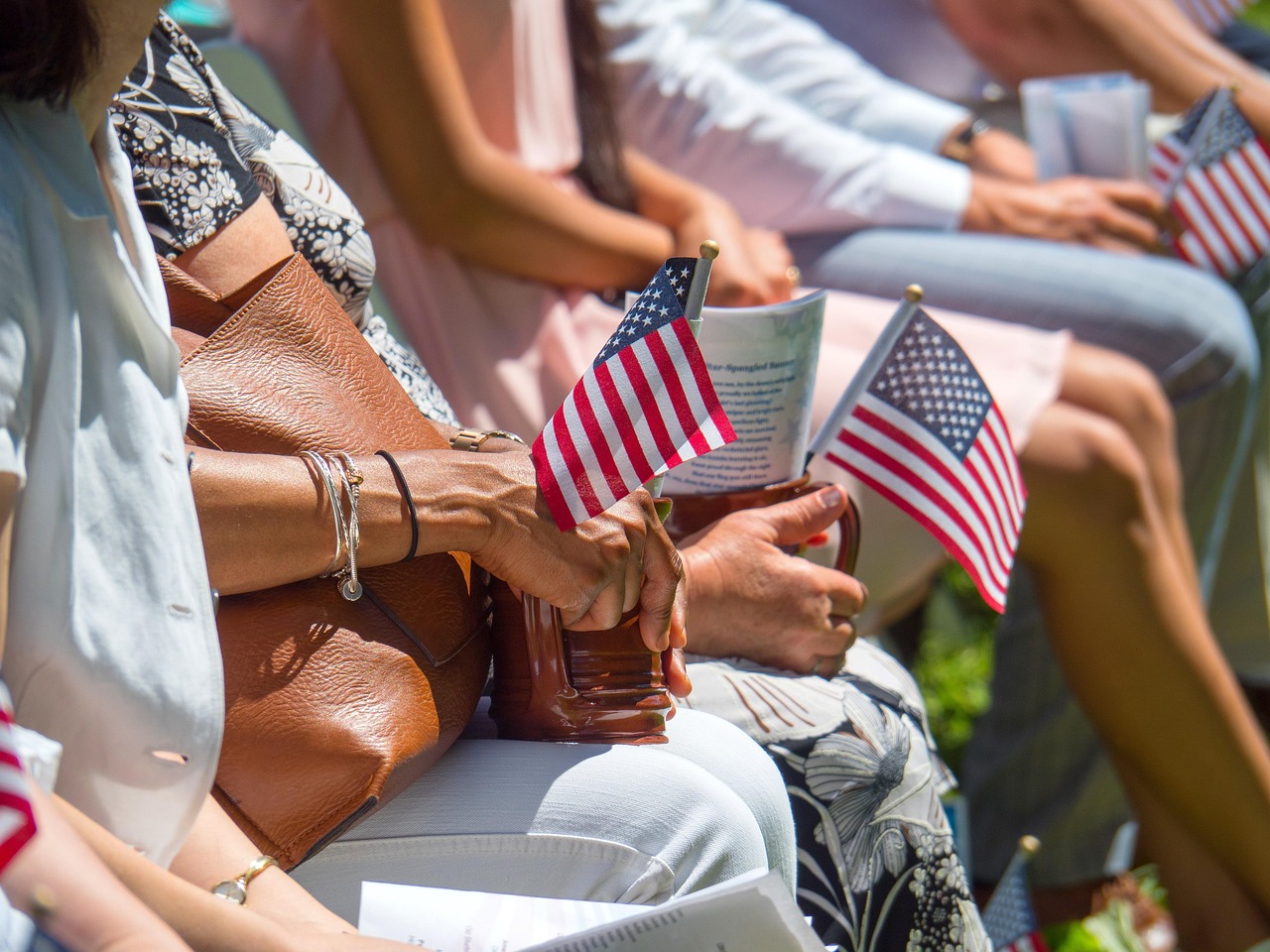
The conservation of historic banners, a vital aspect of preserving our cultural heritage, involves meticulous care and specialized techniques. The flags, often imbued with rich historical narratives, require proper handling to ensure their longevity. Consider the delicate nature of fabric, especially the aging process of cotton and linen, which can weaken over time. Professional conservation efforts often employ methods such as cleaning, mending, and re-seaming to restore these flags to their former glory.
Take, for instance, the iconic flag designed by Betsy Ross. This symbol of American freedom requires meticulous care. Flag fabric manufacturers today offer high-quality materials suitable for both indoor and outdoor display, allowing for accurate replicas of historical flags. When purchasing the flags for special occasions, whether it's a birthday, anniversary, or national holiday, opt for suppliers specializing in historical reenactments. These suppliers, often accessible online, provide authentic-looking flags that can be safely displayed and enjoyed for years.
How to display the flags outdoors is a common query among enthusiasts. The answer lies in choosing the right fabric and mounting methods. Indoor flags, typically made of silk or polyester, might not withstand outdoor elements. For outdoor displays, consider cotton or linen flags with a water-repellent finish, secured through pole-sacking or hemming to prevent fraying. The International Flag Protocol dictates the proper way to display flags outdoors, ensuring they're flown at the right height and with due respect.
As for choosing the right patriotic flag, give us a call. Our expertise lies in guiding you through the selection process, whether for a historical event or everyday display. We advocate for understanding the symbolism and history behind each design, ensuring these cherished symbols are treated with the respect they deserve. By preserving these banners, we not only safeguard our past but also educate future generations about the values and struggles they represent.
Evolution of National Identity: Flags Through Time
The evolution of national identity is intricately tied to the development and changing uses of the flags. These flags, created by Flag Design Studios and manufactured by Flag Fabric Manufacturers, have long served as powerful symbols of collective identity, values, and history. Consider the iconic stars and stripes of the United States, designed by Betsy Ross in 1777, which has endured as an universal symbol of freedom and unity. Over time, the design and meaning of the flags have adapted to reflect shifting societal norms, political fields, and cultural values.
In the context of parades and public gatherings, the flags are prominently displayed, often in elaborate arrangements, to foster a sense of community and national pride. According to a 2019 survey, over 80% of Americans agree that flags in parades represent a strong national identity. The correct display of these flags is important; Flag Etiquette Guidelines emphasize that they should be flown at half-staff as a sign of respect during mourning periods, and properly draped during ceremonies. For home displays, consider hanging them in a prominent location, such as a porch or window, where they can be seen by passersby. This simple act of showing one's patriotism can foster a sense of connection within local communities.
The digital age has also brought about new ways to engage with and interpret the flags. Online Flag Communities and Flag Design Websites offer platforms for individuals to share their flag designs, discuss symbolism, and learn about the history behind various national emblems. Digital Flag Archives, accessible through these websites, preserve historical flag designs, allowing future generations to understand the evolution of national identity. Visiting us at how to make a patriotic flag can provide hands-on insights into the art of flagmaking, emphasizing the skill and care that goes into creating these powerful symbols. By understanding the historical and contemporary uses of the flags, we can fully appreciate their role in shaping and reflecting our collective national identity.
Quick Reference
-
Research historical context: Understand the political, social, and cultural climate when the flag was created to interpret its symbolism accurately.
-
Analyze design elements: Break down the flag's colors, symbols, and patterns to uncover their intended meanings and underlying narratives.
-
Consider intended audience: Understand who the flag was designed for and how its message might have been received by that demographic.
-
Compare with contemporary flags: Examine similar flags from the same era to gain context and identify common themes or design choices.
-
Document historical sources: Cite primary sources, such as period newspapers, letters, or official records, to support your interpretation.
-
Avoid personal bias: Recognize and mitigate your own cultural biases when interpreting a flag to ensure an objective analysis.
-
Engage diverse perspectives: Consult with historians, anthropologists, and cultural experts to gain multiple viewpoints and deepen your understanding.
-
Contextualize within the broader narrative: Place the flag within the larger history of flag design and its role in society to highlight its significance.
-
Regularly review and update: Re-evaluate interpretations based on new historical discoveries or changes in cultural understanding to keep the presentation current.
Flag Heritage: Comparing Traditional vs. Modern Interpretations
This section compares traditional flag design practices with contemporary approaches, highlighting key differences in style, purpose, and cultural impact. We'll analyze three distinct cases: a historical flag from 18th-century America, a modern Olympic committee's flag, and a community-designed city banner.
| Feature | Historical American Flag (1777) | Olympic Committee Flag (2020 Tokyo) | City Community Banner (2022, Austin) |
|---|---|---|---|
| Key Features | Stars and stripes symbolizing the original 13 colonies; strong emphasis on simplicity and symbolism. | Abstract design with a ring of five interlocking rings; colors represent world unity. | A vibrant mix of local colors and symbols, featuring an unique, community-voted design. |
| Best Use Cases | Representing national identity during the American Revolution and beyond; easily recognizable symbol of the U.S. | Promoting global sporting events and fostering a sense of international community; instantly recognizable worldwide. | Fostering community pride and identity; designed to be inclusive and reflect Austin's unique character. |
| Strengths | Timeless design that has endured; powerful symbol of independence and unity. | Modern, sleek design that appeals to a global audience; effectively communicates the Olympic values. | Encourages local engagement and reflects community values; can foster a strong sense of belonging. |
| Limitations | Limited in its ability to represent diverse, changing identities; strict rules around design modifications. | May be perceived as too generic; lacks the specific cultural connections of regional flags. | May lack universal appeal; design choices can be subjective and polarizing. |
| Cost/Performance | Historically, flags were hand-sewn; cost and production time varied with complexity. | Production is scalable and cost-effective for mass printing; high performance in durability and visibility. | Community involvement can be cost-effective; local businesses often contribute materials and expertise. |
Revitalizing a Nation's Identity: Restoring an Historical Flag
Situation
A small, landlocked nation in Central Europe faced a challenge that threatened its cultural heritage and unity. The national flag, a symbol of their history and aspirations, had fallen into disrepair. Over time, the vibrant colors faded, and the intricate embroidery became frayed and unreadable, reflecting a loss of national pride. The flag's condition was especially problematic as it was a relic from a key moment in their nation's history—the revolution that secured their independence from a neighboring empire in 1848. The flag had been stored away, largely forgotten, in a dusty attic for decades.
Action
Recognizing the flag's historical significance, the country's cultural heritage committee initiated a project to restore it. They enlisted the help of a team of textile conservators and historians, who embarked on a meticulous process. The first step was to carefully clean the fabric using specialized techniques to remove years of dirt and grime. Then, they meticulously re-created the faded design using historical records and expert knowledge of the era's embroidery styles. Every thread was hand-stitched to match the original, taking over 100 hours of labor. Once complete, the flag was framed and displayed in a new museum dedicated to the nation's revolutionary history.
Result
The restored flag became the centerpiece of the museum, attracting visitors from across the country and abroad. The project sparked a renewed interest in the nation's revolutionary heritage, with school groups and historical societies organizing visits. Within six months of the flag's introduceing, the museum saw a 35% increase in attendance, and a survey among visitors found that 87% felt the restored flag enhanced their understanding of the nation's history. The project's success demonstrated the power of cultural heritage in fostering national identity and pride, inspiring similar initiatives to preserve and celebrate historical artifacts across the region.
Frequently Asked Questions About Flag Heritage Historical Interpretation
What is the significance of flags in historical interpretation? Flags have long served as powerful symbols, representing nations, regions, and movements. In historical interpretation, they offer a tangible link to the past, conveying cultural identity, political affiliations, and societal values. Their design, colors, and patterns can reveal much about the era, offering insights into the beliefs and struggles of the time.
How do historical flags aid in understanding the past? Historical flags provide context for key events and periods. The American flag's evolution reflects the nation's growth and changing ideals. Each addition to the stripes and stars represents a new state or a significant milestone, allowing historians and enthusiasts to trace America's history visually. Similarly, flags from revolutionary wars can illustrate the identity and aspirations of the opposing sides.
Can flags be considered primary sources? Absolutely. Flags, alongside coins, medals, and official documents, fall under primary sources, offering firsthand evidence of historical events. They provide tangible proof of political entities and their representations, which can be studied and analyzed. A flag flown during a protest can serve as a primary source, capturing the spirit and message of the movement.
What role do flags play in cultural heritage preservation? Flags are integral to cultural heritage as they embody a community's identity and history. They are often used in ceremonies, festivals, and parades to celebrate and preserve traditions. For indigenous communities, flags can represent their unique heritage, lands, and ongoing struggles. Many Native American tribes have adopted official flags to affirm their sovereignty and cultural pride.
How do museums incorporate flags in their exhibitions? Museums often feature flags in exhibits to tell compelling stories. They can showcase the evolution of a nation's symbolism or highlight specific events. A museum might display flags from different periods, allowing visitors to compare and contrast design elements. Flags can also be used to represent global movements, with exhibitions focusing on flags from various countries to illustrate shared ideals or contrasting ideologies.
Are there any legal considerations regarding flag use and interpretation? Yes, copyright and cultural sensitivity are key. Using official flags or their derivatives requires permission from the appropriate authorities. Interpreting flags responsibly involves avoiding stereotypes or misrepresentations. When showcasing historical flags, especially those of indigenous peoples, it's important to respect their cultural significance and consult with community leaders to ensure accurate representation.
As we've explored the multifaceted world of the flags, a clear picture emerges of their profound historical and cultural significance. From the inspiring story of Betsy Ross and the American flag to the intricate evolution of national identities, these banners serve as tangible links to our collective past. Understanding the symbolism and design choices behind them allows us to interpret and appreciate the cultural gateways they offer, preserving our heritage for future generations.
Practical steps to engage with and honor this legacy include supporting flag conservation efforts, exploring digital archives for historical context, and participating in online communities that celebrate and discuss flag design. By embracing these actions, we not only safeguard the physical remnants of our history but also ensure their interpretations remain vibrant and accessible.
the flags are more than mere pieces of cloth; they are powerful tools for historical interpretation, cultural preservation, and national identity formation. Recognizing their value, both past and present, is an important step in understanding and honoring our shared heritage.
The flags, deeply rooted in human history, convey unity, pride, and identity. Their design and symbolism encapsulate cultural narratives and values. The process involves artistic and precise flag-making techniques, with colors carrying specific meanings. Display and etiquette, guided by protocols, show respect and honor. Understanding their heritage fosters a sense of connection to the past and present. Flag design studios and manufacturers play a vital role in creating accurate, historically based flags for parades, events, and displays.