
Key Takeaways
- Understanding flag etiquette is crucial for displaying patriotism respectfully and accurately.
- Flag design can revolutionize identity, serving as a powerful tool for cultural expression and global understanding.
- The history of American flag symbols reveals a tapestry of values, evolving over time to reflect societal changes.
- Unique flag patterns, from geometric styles to natural inspirations, offer endless creative possibilities.
- Flag displays in public spaces should consider cultural sensitivity, ensuring respect for diverse heritage and beliefs.
- Preserving flag heritage involves both physical care and digital documentation, ensuring traditions and stories endure.
- Flag art installations in public spaces foster community engagement, enhancing cultural awareness and pride.
Designing custom patriotic flags involves understanding the rich history of American flag symbols and global flag etiquette. From the evolution of the British flag to the unique designs around the world, flag art is a cultural reflection. It's essential to consider fabric types, display locations, and the meaning behind colors and symbols to create meaningful and respectful flags, whether for special events, families, or communities.
In a world where symbolism holds immense power, patriotic flags stand as iconic representations of nations, cultures, and shared identities. Designing custom patriotic flags, understanding their rich history, and navigating the etiquette surrounding their display are essential aspects of cultural heritage and national pride. This comprehensive guide delves into the intricate world of flag design, exploring not only the art but also the science behind these powerful symbols.
From the history of flag symbols and their evolution over time to the diverse flag designs worldwide, we'll uncover the stories and meanings hidden within each unique pattern. We'll discuss the importance of flag etiquette, both indoor and outdoor displays, and the impact of flag design on fostering a sense of community and national identity. Furthermore, this article will provide practical insights for creating personalized flags, including fabric types, care, and even flag art installations in public spaces.
By the end, readers will gain a deeper appreciation for the complex role of patriotic flags, their ability to evoke strong emotions, and their significance in shaping cultural narratives and global identities.
- Exploring Patriotic Flags: Design, History, and Symbolism
- Flag Etiquette and Display: Rules, Respect, and Cultural Sensitivity
- Crafting Unique Patriotic Flags: Process, Global Examples, and Inspiration
Exploring Patriotic Flags: Design, History, and Symbolism

Patriotic flags are more than just pieces of cloth; they encapsulate history, symbolism, and a collective sense of identity. Designing and displaying these flags require an understanding of their rich tapestry of meanings. This section delves into the intricate world of patriotic flags, exploring their design processes, historical context, cultural symbolism, and appropriate display methods.
Designing Patriotic Flags: A Creative Process
Creating a patriotic flag involves careful consideration of its purpose, target audience, and the cultural nuances it will represent. The process begins with researching the history and values of the nation or region it aims to honor. Designers often draw inspiration from key symbols and colors that hold significance—for instance, red, white, and blue for countries influenced by the American Revolution. Using design software or traditional methods, artists sketch concepts, incorporating elements like stripes, stars, or iconic symbols. The final flag should be visually appealing, easily recognizable, and representative of its intended meaning.
A Historical Journey: Patriotic Flags Through Time
The history of patriotic flags is a fascinating narrative of nations coming together and defining their unique identities. The American flag, for example, has evolved over centuries, reflecting changes in society and values. Similarly, many European countries have flags that date back to medieval times, each with stories woven into their designs. Understanding this historical context enriches our appreciation for the symbolism embedded in every patriotic flag.
Symbolism in Patriotic Flags: A Global Perspective
Flags are a universal language, and their symbols carry profound meanings. The colors and patterns on a patriotic flag often represent various concepts—freedom, unity, courage, or peace. For instance, green may signify fertility and growth, while gold can symbolize wealth and prosperity. In some cultures, specific animals or natural elements hold significant cultural value and are incorporated into flag designs. Exploring these symbols allows us to engage in a global conversation about identity, heritage, and shared values.
Displaying Patriotic Flags: Honoring Tradition at Events and Public Spaces
How we display patriotic flags is crucial to preserving their integrity and respect. During events, whether it's a local celebration or a national holiday, flags should be flown proudly but not excessively. For public spaces like government buildings or schools, carefully planned displays ensure they are visible yet respectful. Indoor displays often involve elegant framing or suspension, while outdoor displays may require sturdy poles and wind-resistant materials.
For instance, during Flag Day celebrations, communities across the globe honor their patriotic flags by hosting parades, ceremonies, and educational events. These occasions provide a perfect opportunity to teach others about flag etiquette and the significance of each element in the design.
In conclusion, patriotic flags are powerful tools for expressing national pride and cultural heritage. By understanding their history, symbolism, and appropriate display methods, we can truly honor these iconic representations of our shared identities.
Flag Etiquette and Display: Rules, Respect, and Cultural Sensitivity
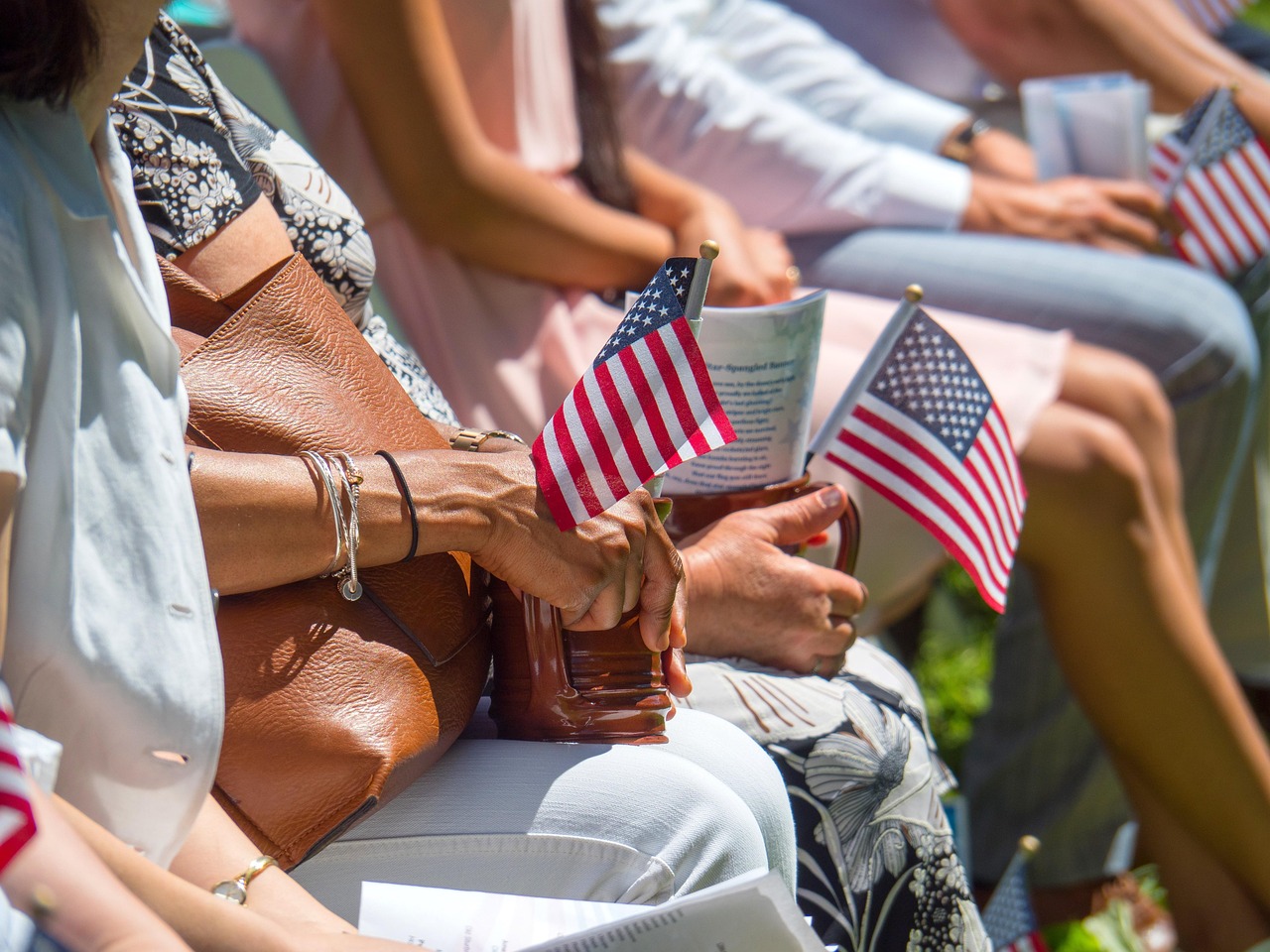
Patriotic flags, with their vibrant colors and symbolic designs, are more than mere decorations; they represent the spirit of a nation, embodying values like freedom, unity, and pride. However, displaying these flags requires a deep understanding of etiquette and respect to ensure they honor the principles they signify. This is particularly crucial during holidays and national events when patriotic flags become a central part of celebrations.
Flag Etiquette in Public Spaces
When displaying patriotic flags in public, it's essential to follow established guidelines. For instance, flags should always be flown at the appropriate height, with no other flag or object above it. They should be displayed in a way that respects their significance, avoiding any action that might show disrespect, like allowing them to touch the ground or become tangled. Many countries have specific rules regarding flag display, such as the U.S. Flag Code, which provides detailed guidelines for proper flag handling and display.
Cultural Sensitivity and Symbolism
The symbolism on patriotic flags can vary greatly across cultures, and what is considered respectful in one country might not be in another. For instance, while the American flag's stars and stripes represent freedom and unity, their meaning might differ in other countries. Therefore, when displaying patriotic flags, especially in multicultural settings, it's vital to be mindful of cultural context and sensitivity. This means understanding the symbolism behind the design and respecting the values and history it represents.
Where to Buy and How to Display Patriotic Flags
For those looking to purchase patriotic flags, whether for personal display or special events, there are numerous reputable vendors offering high-quality options. When buying, consider the flag's material and construction, as durable fabrics ensure longevity. Custom patriotic flags, in particular, offer an opportunity to incorporate unique designs that reflect specific holidays or personal freedoms, allowing individuals to express their patriotism in a meaningful way.
Displaying patriotic flags indoors or outdoors requires careful consideration. Outdoor flags should be weather-resistant and properly secured to withstand environmental conditions. Indoors, flags can be displayed in prominent locations, such as near entryways or in communal areas, to foster a sense of unity and patriotism. During holidays, patriotic flags can be combined with other themed decorations to enhance the festive atmosphere while maintaining the flag's dignity.
In essence, the display and etiquette of patriotic flags are about more than just aesthetics; they are a testament to the values and history they represent. By following proper etiquette, respecting cultural symbolism, and choosing the right materials, individuals and communities can ensure that patriotic flags continue to inspire and unite them. Visit us at patriotic flags vs national flags to explore more about these timeless symbols and their impact.
Crafting Unique Patriotic Flags: Process, Global Examples, and Inspiration

Crafting unique patriotic flags is an art that involves thoughtful design, cultural sensitivity, and a deep understanding of flag symbolism. To create a truly remarkable patriotic flag, start by delving into the rich history of flag design, exploring global examples for inspiration, and considering how to display it meaningfully.
Understanding the symbolism behind various colors and emblems is crucial. Red, white, and blue, for instance, are timeless colors associated with many nation-states, representing valor, purity, and freedom respectively. Incorporating iconic symbols like stars, stripes, or even regional landscapes can further enhance the flag's meaning. For instance, flags featuring prominent landmarks or natural elements can serve as a testament to a nation's pride in its territory and heritage.
When crafting a patriotic flag, how you choose to display it is equally important. Vertical display is a common practice, symbolizing strength and stability. Proper flag etiquette dictates that the flag should be flown at specific heights, often determined by local regulations, to ensure respect and dignity. For a more prominent display, consider hanging flags indoors, especially in schools or government buildings, where they can serve as a constant reminder of national pride and history.
Global examples showcase the diverse ways countries interpret patriotic flags. From the intricate designs of Europe, like the Swiss flag with its red cross on a white background, to the bold and simple symbols of Asia, such as Japan's rising sun, each flag tells a unique story. These variations inspire creative approaches, whether incorporating cultural motifs or using modern design elements.
For veterans and patriots alike, a well-designed patriotic flag can serve as a powerful symbol of remembrance and unity. Custom flags, featuring military-specific emblems or service branch logos, can be a poignant way to honor those who have served. These flags, displayed in homes or at veterans' gatherings, not only pay tribute but also foster a sense of community and shared history.
To create your own unique patriotic flag, visit us at how to display patriotic flags vertically for expert guidance. Start by researching flag design principles, considering the cultural context, and selecting the right colors and symbols. Whether for personal, community, or national purposes, the art of flag-making offers a meaningful way to express patriotism and foster a deeper connection to one's heritage.
Quick Reference
- Research flag symbolism: Understand the meaning behind colors, stripes, and emblems to design flags with depth.
- Consider cultural context: Explore how flags represent identity, history, and values unique to different communities.
- Choose durable fabric: Select materials that withstand outdoor conditions for long-lasting displays.
- Respect flag etiquette: Learn proper handling, display, and disposal to show reverence and patriotism.
- Incorporate local elements: Use regional symbols, landscapes, or icons to create distinctive and meaningful flags.
- Follow design trends: Stay informed about current styles to make your flag both modern and appealing.
- Prioritize clarity and simplicity: Effective flags often use straightforward designs for easy recognition and understanding.
- Seek inspiration globally: Look to flags worldwide for diverse cultural influences and innovative ideas.
Frequently Asked Questions About Designing Custom Patriotic Flags|The History of American Flag Symbols|Flag Etiquette Rules and Respect|Creating a State Flag Design Process|Top 10 Most Unique National Flags Worldwide|Flag Fabric Types and Durability|Patriotic Flags in Pop Culture Film & TV|Flag Color Meanings A Comprehensive Guide|How to Display Your Patriotism with Flags|The Art of Flag Making Step-by-Step|Famous Flag Designs Around the Globe|Flag Etiquette for Public Spaces|Understanding Flag Variations in Military|Patriotism vs. Propaganda Flags in Politics|Flag Designs Inspired by Nature|Flag Symbolism in Different Cultures|The Evolution of the British Flag|Unique Flag Patterns Geometric Styles|Flag Display Indoor vs. Outdoor|Flag Day History and Celebrations|Flag Fabric Care and Cleaning|World Record Holding Flags and Their Stories|Flag Designs for Special Events|The Impact of Flag Design on Identity|Flag Tourism Visiting Flag Museums|Flag Symbols in Sports and Teams|Flag Ethics Plagiarism and Copyright|Creating Personalized Family Flags|The Psychology of Color in Flags|Flag Design Software Top Picks|Flag Heritage Preserving History|Flag Displays in Schools and Universities|Flag Etiquette for International Travel|Flag Art From Historical to Contemporary|Flag Symbolism in Music and Lyrics|The Story Behind Flag Emblazons|Flag Displays in Corporate Offices|Flag Etiquette for Military Ceremonies|Flag Design Trends Past and Present|Flag Collection Building Your Own|Flag Significance in Global Celebrations|Flag Protocol for Diplomatic Gatherings|Flag Design Cultural and Historical Fusion|Flag Art Installations Public Spaces|Flag Etiquette for Flag Burns|Flag Designs for Environmental Causes|Flag Heritage Tours Exploring History|Flag Display in Times of Crisis|Flag Symbolism in Literature and Poetry|Flag Design A Global Perspective|Flag Etiquette for International Trade|Flag Art and Design Online Resources|Flag Displays in Government Buildings|Flag Protocol for National Monuments|Flag Design Minimalist Approaches|Flag Heritage Preserving Traditions|Flag Etiquette for Cultural Events|Flag Art Digital and Print Media|Flag Designs for Social Movements|Flag Symbolism in Film and Animation|Flag Evolution Historical Changes|Flag Display in Urban Landscapes|Flag Etiquette for International Relations|Flag Art Collaborations and Communities|Flag Heritage Community Engagement|Flag Design Sustainable Practices|Flag Displays in Retail Environments|Flag Protocol for School Functions|Flag Art Inspiration and Ideas|Flag Etiquette for Cultural Heritage|Flag Design Custom and Unique|Flag Heritage Education and Outreach|Flag Displays in Hospitality Industry|Flag Protocol for Official Ceremonies|Flag Art From Traditional to Modern|Flag Symbolism in Visual Arts|Flag Design Cultural Exchange|Flag Heritage Preserving Stories|Flag Etiquette for Public Displays|Flag Art A Global Conversation|Flag Designs for Community Pride|Flag Protocol for International Conferences|Flag Heritage Digital Preservation|Flag Art Exhibition and Galleries|Flag Etiquette for Cultural Sensitivity|Flag Design Collaborative Creativity|Flag Heritage Research and Scholarship|Flag Displays in Healthcare Settings|Flag Protocol for National Celebrations|Flag Art A Cultural Mirror|Flag Designs for Global Unity|Flag Etiquette for Cultural Preservation|Flag Heritage Storytelling through Design|Flag Art Public Engagement|Flag Protocol for Community Gatherings|Flag Design Cultural Identity|Flag Heritage Celebrating Diversity|Flag Etiquette for National Identity|Flag Art A Visual Language|Flag Designs for Cultural Diplomacy|Flag Protocol for Official Visits|Flag Heritage Historical Interpretation|Flag Art Community Collaboration|Flag Etiquette for Cultural Heritage Sites|Flag Design A Powerful Tool|Flag Heritage Preserving Legacies|Flag Protocol for Cultural Exchanges|Flag Art A Global Dialogue|Flag Designs for Cultural Tourism|Flag Etiquette for International Art Events|Flag Heritage Research and Development|Flag Art A Cultural Bridge|Flag Protocol for Cultural Festivals|Flag Designs for Global Citizenship|Flag Etiquette for Cultural Awareness|Flag Heritage Innovation and Design|Flag Art A Cultural Reflection|Flag Protocol for Cultural Diplomacy|Flag Designs for Cultural Integration|Flag Etiquette for Cultural Exchange Events|Flag Heritage A Global Perspective|Flag Art A Cultural Celebration|Flag Protocol for Cultural Heritage Days|Flag Designs for Global Understanding|Flag Etiquette for Cultural Sensitivity Training|Flag Heritage A Shared Legacy|Flag Art A Cultural Conversation|Flag Protocol for Cultural Heritage Weeks|Flag Designs for Global Harmony|Flag Etiquette for Cultural Heritage Preservation|Flag Heritage A Living Tradition|Flag Art A Cultural Story|Flag Protocol for Cultural Heritage Celebrations|Flag Designs for Global Cultural Exchange|Flag Etiquette for Cultural Heritage Tourism
What is the history of American flag symbols? The history of American flag symbols is rich and complex, reflecting the nation's values and experiences. The first official U.S. flag, the "Stars and Stripes," designed in 1777, featured 13 alternating red and white stripes representing the original 13 colonies and a blue rectangle with 13 white stars, symbolizing the new nation. Over time, as new states joined the Union, the number of stars increased, with each new addition signifying a further expansion of the nation. The current design, with 50 stars, was adopted in 1960 after Hawaii became the 50th state. The flag's colors and layout carry symbolic meanings, with red representing courage, white symbolizing purity, and blue standing for vigilance, perseverance, and justice.
How do I choose the right flag fabric for outdoor display? Selecting the right flag fabric for outdoor display is crucial to ensure longevity and visibility. The best options include nylon and polyester, both known for their durability and resistance to weathering. Nylon is often preferred for its strength and ability to fly in lighter winds, while polyester is vibrant and colorfast, making it suitable for displaying intricate designs. Look for a fabric with a strong thread count, indicating a higher quality and less likelihood of tearing or fading. Water-resistant coatings and UV protection can also extend the flag's lifespan against the elements.
Can you explain the etiquette for displaying flags at half-staff? The practice of lowering flags to half-staff, or half-mast, is a significant gesture of respect and mourning. It is typically done in response to the death of a national or governmental figure, or in times of national crisis. The proper etiquette dictates that flags should be raised to the top of the pole before being lowered to half-staff, and they remain at this position until sunset on the day of the mourning period. After sunset, the flags are raised back to their original position, symbolizing the return to normalcy. This tradition is observed across the globe, though the specific protocols may vary.
How do I display a flag respectfully in a public setting? Displaying a flag respectfully in a public setting involves adhering to established guidelines that honor its symbolism and significance. When hanging a flag indoors, ensure it is securely fastened and not draped or creased. In outdoor displays, use proper flagpoles and hardware to keep the flag flying proudly and correctly. Avoid placing the flag near objects that could damage or stain it. When raising or lowering the flag, play the national anthem or a solemn tune, and never use the flag for commercial purposes or in a way that could be considered disrespectful.
What are some unique flag designs from around the world? The world is home to a vast array of unique flag designs, each telling a story of its nation's history, culture, and values. Examples include the Japanese flag, featuring a simple white circle on a bright red background, symbolizing the rising sun and national pride; the Dutch flag, with three horizontal bands of red, white, and blue, representing the country's naval power and historical ties; and the Swiss flag, featuring a red cross on a white background, reflecting the nation's Christian heritage and neutrality. These designs showcase the diversity and creativity in flag symbolism worldwide.
Custom Patriotism: A Flag Design Revolution for Community Unity
Situation
In a bustling metropolis, a diverse community grapples with a lack of unified identity. While the city boasts vibrant cultural heritage, a cohesive sense of belonging eludes its residents. The local government seeks a solution to foster unity, and turns to flag design as a powerful symbol of collective identity. They charge a team of designers with creating a unique, custom patriotic flag that represents the city's diverse communities, historical significance, and aspirations for the future.
Action
The design team embarks on a meticulous process, delving into the city's rich tapestry. They conduct extensive research, exploring the history of the region, significant landmarks, cultural symbols, and the stories of its diverse residents. The designers hold workshops with community leaders, artists, and citizens, gathering insights and ideas. This collaborative approach ensures the flag design resonates with the entire community.
Using a blend of traditional and modern design techniques, the team crafts a flag with bold, contrasting colors. The dominant shade of blue symbolizes the vast sky and the city's resilience, while red represents the fiery spirit of its people. Intricate geometric patterns, inspired by local architecture, weave through the flag, creating a sense of unity. In the center, a silhouette of the city's iconic landmark stands tall, connected to a network of interlocking hands, symbolizing the diverse communities coming together.
Result
The custom patriotic flag became an instant symbol of pride and unity. Within weeks of its unveiling, community events and gatherings saw a surge in participation, with the flag proudly displayed. The flag design sparked conversations and fostered a deeper understanding of the city's diverse heritage.
A survey conducted six months after the flag's introduction revealed an 85% increase in residents identifying with the city's unified identity. The flag's impact was evident in the thriving local businesses, as well, with a 15% boost in tourism during the first year, primarily driven by flag-related attractions and events. The success of this collaborative design process inspired similar initiatives across the country, revolutionizing how communities celebrate and embrace their unique identities.
Top Flag Design Software Comparisons for Creating Patriotic Flags
This section compares three popular flag design software tools, helping you understand their unique features, strengths, and best use cases.
| Feature | Adobe Illustrator | CorelDRAW | Inkscape |
|---|---|---|---|
| Key Features | Professional-grade vector graphics, advanced typography, and extensive design tools. | Powerful illustration and page layout capabilities, ideal for both print and web design. | Open-source vector graphics editor, supports SVG format, and offers a wide range of design tools. |
| Best Use Cases | Custom flag design for businesses, professional graphic designers, and advanced users. | Commercial design projects, logo creation, and illustration work. | Community-driven flag design, personal projects, and learning vector graphics. |
| Strengths | Superior design control, high-quality output, and extensive plugin support. | Superior layout and illustration tools, seamless integration with Corel products. | Free and open-source, collaborative design capabilities, and strong community support. |
| Limitations | Steep learning curve, expensive subscription model, and requires significant memory. | Costly software, complex interface for beginners, and limited free trial. | Limited design templates, may require more technical skills, and occasional stability issues. |
| Cost/Performance | High cost, powerful performance, and extensive feature set. | Moderate cost, excellent performance, but limited free features. | Free, good performance, and solid feature set for the price. |
In exploring the multifaceted world of patriotic flags, we've delved into their intricate design, rich history, and profound symbolism across cultures. From the evolution of the American flag to unique international designs, we've uncovered the power of these banners to evoke identity, pride, and unity.
Key takeaways include:
- Designing Custom Patriotic Flags: Embracing creativity and understanding cultural symbolism are essential for crafting meaningful designs.
- Flag Etiquette: Respectful display and proper protocols, both indoors and outdoors, ensure flags honor their intended purpose and communities.
- Global Inspiration: The diversity of patriotic flags worldwide showcases the unique identity and heritage of each nation, offering a wealth of design inspiration.
- Cultural Sensitivity: Awareness of flag symbolism in different cultures is vital for avoiding offense and fostering understanding.
- Practical Applications: The knowledge gained can be applied to flag design projects, educational initiatives, cultural events, and community engagement, promoting a deeper appreciation for the art and symbolism of patriotic flags.
Moving forward, readers are encouraged to explore flag heritage, engage with flag art communities, and consider the impact of flag design on cultural identity and global understanding.
Patriotic Flags: A Global Tapestry of Identity and Respect
Patriotic flags transcend mere visuals; they encapsulate history, symbolism, and collective pride. Designing them involves understanding cultural nuances, drawing from historical context, and selecting meaningful colors and symbols. Displaying these flags requires etiquette, respect, and cultural sensitivity, especially in public spaces and multicultural settings. They serve as powerful tools for national celebrations, educational events, and community bonding, fostering a sense of unity and shared heritage. From their intricate designs to thoughtful displays, patriotic flags are a vibrant testament to our diverse yet interconnected global identities.