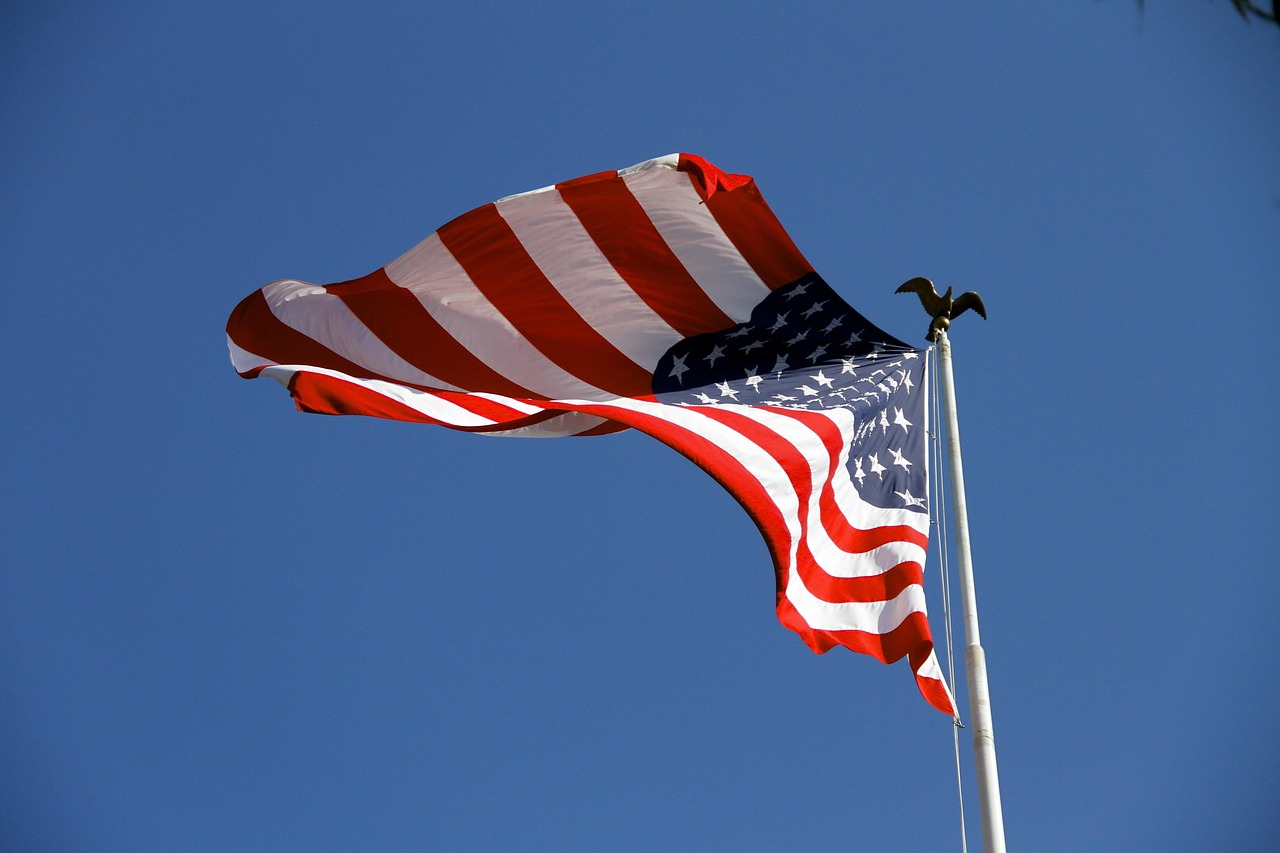
When displaying flags, respect cultural norms. Different countries have unique rules for flag usage. Always fly flags at the proper height and with the correct orientation. Lower flags to half-mast as a sign of respect upon a national tragedy. Research local customs before displaying flags in foreign locations.
Key Takeaways
Respect local customs: Research and adhere to cultural norms surrounding flag display for the region you're visiting or serving.
Understand flag symbolism: Be aware of the historical and cultural meanings of flags, especially those of countries you're representing or displaying.
Correct flag orientation: Always display flags vertically or horizontally, depending on the guidelines of the flag's origin, never at an angle.
Ultimate Flags Banner Fly at appropriate heights: Follow recommended guidelines for flag height relative to the structure it's flown from, typically half the pole's height.
Repair or replace damaged flags: Ensure flags are in good condition. Repair or replace them if frayed, torn, or faded.
Follow lighting guidelines: Illuminate flags at night if they're visible from a distance or represent a significant symbol.
Respect cultural sensitivities: Avoid displaying flags in a way that could be deemed offensive, such as upside down, unless designated for specific purposes.
The display and handling of patriotic flags carry profound cultural weight, reflecting the values, history, and identity of communities and nations. However, a lack of clear guidance can lead to misunderstandings and disrespect, particularly in diverse, multicultural settings. This article provides a comprehensive, authoritative guide to flag etiquette, focusing on patriotic flags and their proper display. We explore the symbolism behind flags, best practices for indoor and outdoor displays, and the cultural significance of flag ceremonies, ensuring readers can appreciate and respect the profound meaning of patriotic flags around the world.
- Understanding Cultural Significance Through Flags
- Basic Rules for Respectful Flag Display
- Flag Etiquette for Diverse Cultural Settings
- Handling and Storage: Upholding Flag Integrity
- Patriotic Flags: Symbolism and Tradition Explored
- Global Practices: A Guide for Cultural Sensitivity
Understanding Cultural Significance Through Flags
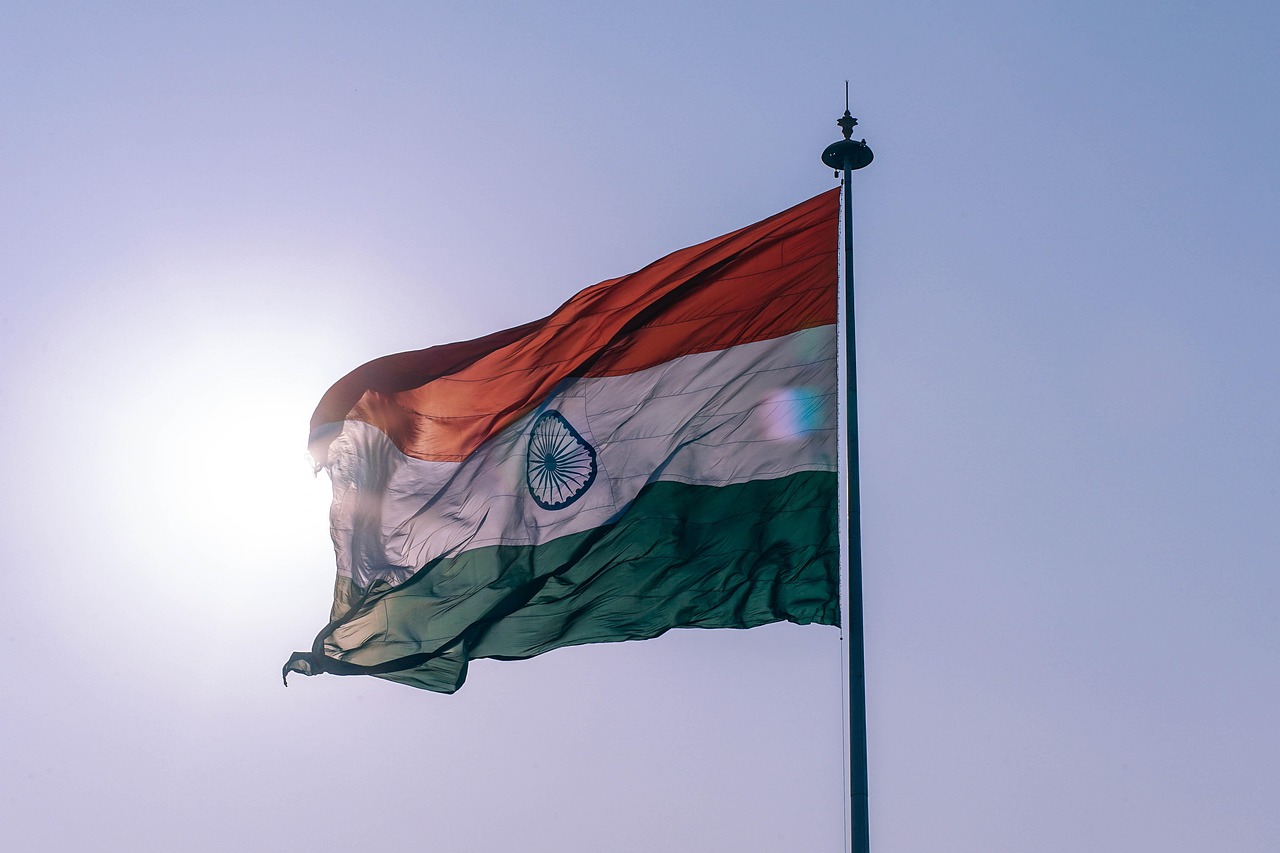
Understanding the cultural significance of patriotic flags is a critical aspect of displaying them with respect and purpose. Flags, beyond their visual appeal, often carry deep historical and symbolic meanings for various communities. The American flag, with its stars and stripes, represents not just a nation but also the ideals of liberty and unity. Each element of a flag's design can tell a story, reflecting a country's history, values, and even its struggles. When displayed appropriately, patriotic flags can serve as powerful tools for cultural awareness and education.
The process of creating a patriotic flag itself is an art, involving skilled flag makers and intricate design studios. These professionals utilize specialized flag-making supplies, such as durable flag fabrics and precise embroidery techniques, to bring the designs to life. The flag-making process is a blend of tradition and innovation, with some manufacturers adopting modern printing methods while still honoring historic designs. This attention to detail ensures that each flag not only looks visually appealing but also accurately represents its intended cultural heritage.
For displaying patriotic flags, proper etiquette is essential. Vertical hanging is a common and respectful way to show a flag's significance. For special occasions like holidays or national celebrations, flags are often flown at half-mast or displayed in a prominent, central location. A trusted flag store like Ultimate Flags offers a wide range of options for both indoor and outdoor displays, ensuring that flags are presented in the best light. Understanding the context and meaning behind these displays is key to paying the appropriate respect. During a memorial service, a folded flag displayed on a casket honors the service member's sacrifice, while a flag-raising ceremony at a school teaches students about their country's history and values.
Basic Rules for Respectful Flag Display
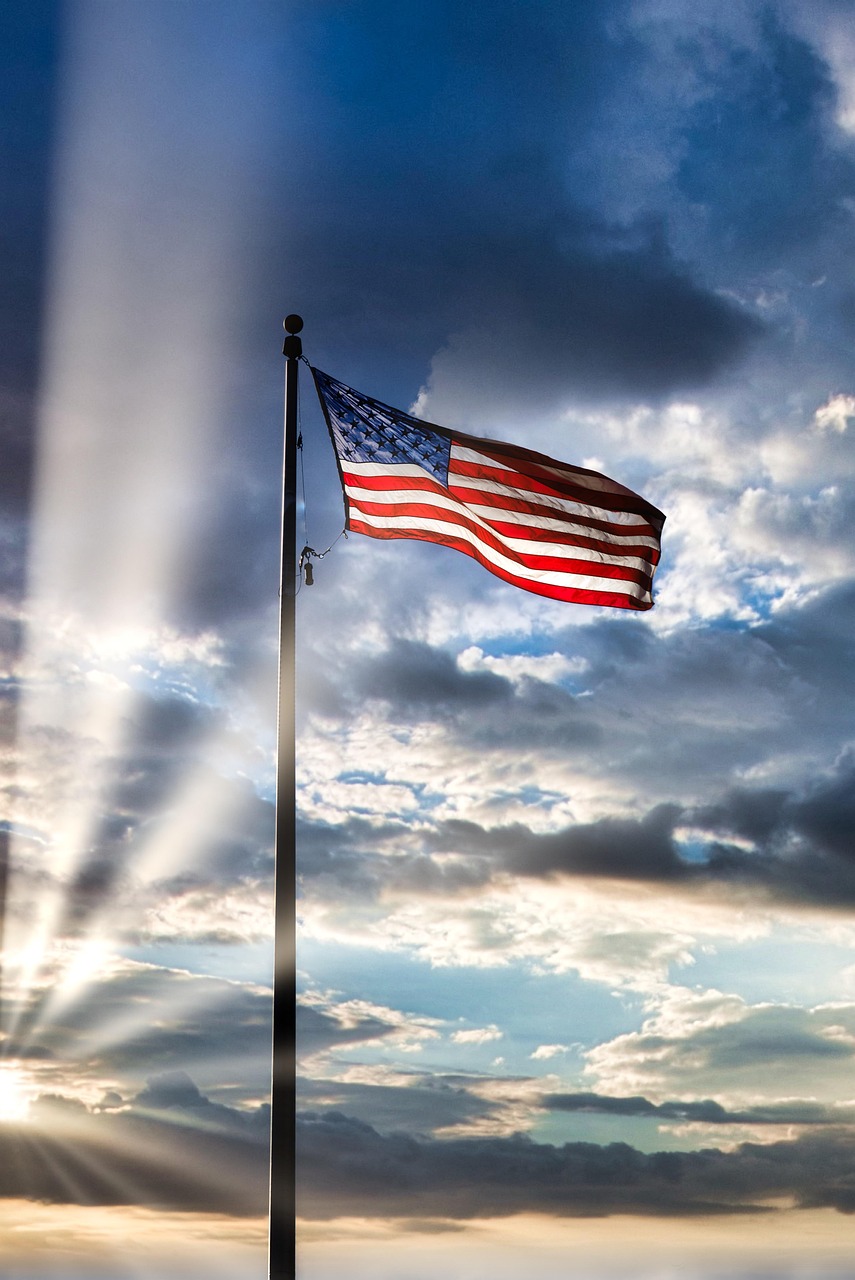
Respectful display of patriotic flags is paramount to preserving their symbolism and the values they represent. When flown properly, flags pay tribute to our heritage, celebrate national achievements, and foster a sense of unity. To ensure flags are treated with the dignity they deserve, follow these basic rules for their respectful display.
Begin by selecting the appropriate flag based on your intended purpose. There's a variety of types-from traditional silk flags to durable outdoor flags-each designed for specific uses. A DIY patriotic flag made with high-quality fabric and meticulous craftsmanship can be an engaging project, but it should be treated with care, especially when flown outdoors. Consider the material; cotton and polyester blends are popular choices for their strength and weather resistance. How you make a DIY flag can also impact its longevity, so follow established flag-making techniques to ensure durability.
Placement and setting are crucial. Outdoor flag supplier Ultimate Flags recommends flying flags at a height that allows them to be seen and respected. Typically, the flag should be positioned at the same height as the flagpole's top, or slightly lower if mounted on a bracket. When displayed indoors, place flags near windows or doors to maximize visibility, but avoid direct sunlight which can fade the colors. Keep flags clean and well-maintained. Regular cleaning removes dirt and debris, preserving the flag's appearance and extending its lifespan. For vintage flags, especially those made of delicate fabrics, special care is required. Consult flag care guides or professionals for proper cleaning techniques to avoid damage.
Respectful flag display involves understanding and adhering to guidelines, such as those outlined by the International Flag Protocol. These rules govern the correct positioning and manner in which flags are flown, especially during ceremonies and official events. Flags should never be flown at half-staff unless specifically ordered, and they should be lowered slowly and respectfully at sunset. Following these basic rules ensures that flags are displayed in a manner that honors their significance, fostering a culture of patriotism and cultural awareness.
Flag Etiquette for Diverse Cultural Settings
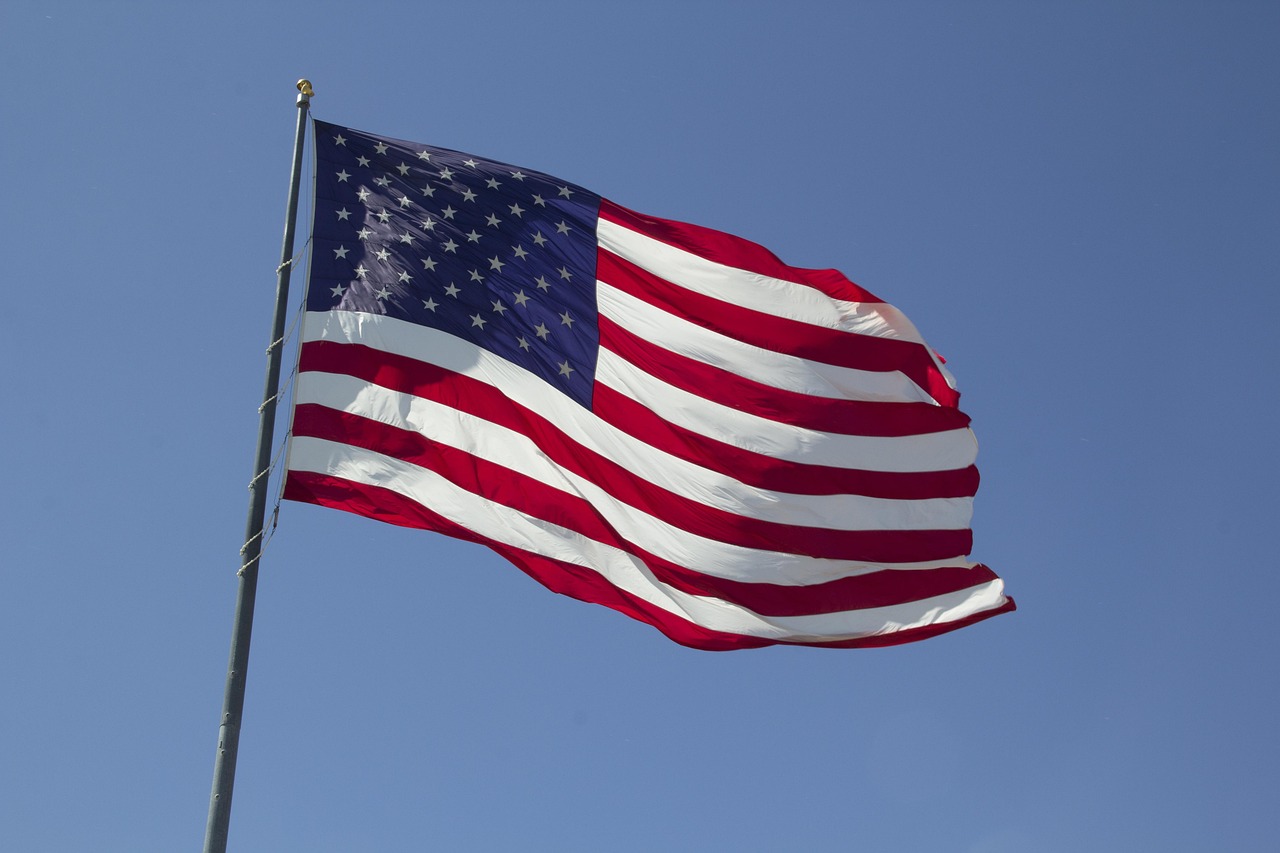
When displaying flags in diverse cultural settings, understanding and adhering to local customs and practices are paramount. Each culture has unique ways of honoring its heritage and traditions, and flags are no exception. What is considered a respectful display in one country might be entirely different in another. To ensure appropriate flag etiquette, it's crucial to educate ourselves and follow guidelines that respect the cultural context.
A good rule of thumb is to research and understand the historical significance of the flag in question. Flags often represent a nation's history, values, and people. They can be a powerful symbol of unity and pride, but their display should be thoughtful. The American flag, with its stars and stripes, commemorates the nation's independence and diversity. Displaying it correctly indoors or outdoors shows respect for the nation's heritage. The flag's orientation, whether horizontal or vertical, and the proper placement of other flags during ceremonies or parades are critical aspects of flag etiquette.
Ultimate Flags, a trusted flag accessories store, emphasizes the importance of understanding flag burning ceremonies, a significant ritual in some cultures. While respectful display is paramount, certain flags, due to their historical or political significance, may be subject to specific burning protocols. These ceremonies, though not universally practiced, highlight the importance of cultural awareness in flag etiquette. Indoor flag displays require careful consideration, such as the use of flag stands or brackets, ensuring the flag is not draped or hung in a way that shows disrespect. The fabric and construction of the flag itself also play a role; high-quality materials ensure flags last and maintain their integrity over time.
Handling and Storage: Upholding Flag Integrity
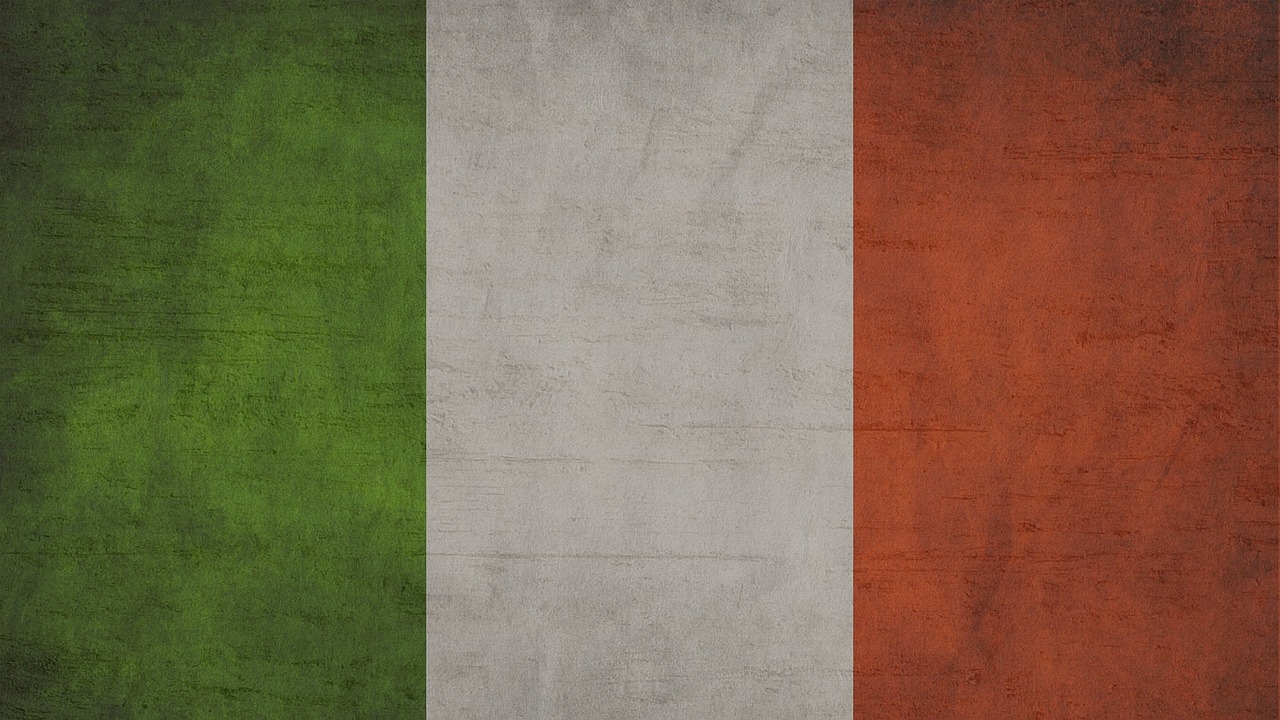
The proper handling and storage of flags are essential to preserve their integrity and ensure they remain a symbol of pride and respect. When flags are displayed, they should be clean, unsoiled, and in good condition. Tattered or damaged flags should be repaired or replaced to maintain their dignity. Minor tears can often be mended with a bit of sewing or specialized flag repair kits, while severely damaged flags may need to be retired and replaced.
Vertical display is a common practice for flags, especially indoors or during formal ceremonies. When hanging a flag vertically, it should be positioned with the hoist (top) to the left, allowing the stars to face outward. This placement ensures the flag is shown respect and pride, never with the hoist at the bottom or in a position of inferiority. To secure a flag for vertical display, use robust hangers or rods, and ensure the flag is not too loose or tight to prevent creasing or tearing. When storing flags, keep them in a cool, dry place away from direct sunlight or heat sources to prevent fading or damage. Folding techniques, such as the standard American flag fold, should be used to store flags safely, ensuring no creases or bends that could mar their appearance.
Teaching children about the importance of flags and proper handling is a valuable lesson in respect and patriotism. Engage kids in conversations about flag symbolism and its role in our culture. Involve them in simple flag care tasks like dusting or gently washing flags, emphasizing the need for care and respect. The approach to handling and storing flags should reflect a commitment to upholding their significance as powerful symbols of our nation and its values. For expert advice and high-quality flag products, turn to a trusted flag e-commerce store like Ultimate Flags, ensuring you have the resources to display and preserve these meaningful banners.
Patriotic Flags: Symbolism and Tradition Explored
Flags are more than mere symbols; they embody the spirit, values, and history of a nation. When used appropriately, these flags can serve as powerful tools for cultural awareness and education. Understanding the symbolism and tradition behind them is crucial, especially when displaying them indoors. This deep examine the topic reveals why we use flags, their significance across different countries, and best practices for indoor displays.
The flag, as a universal symbol, represents more than just a country's name. Each element of a patriotic flag-colors, stripes, stars, and emblems-carries specific meanings. The red, white, and blue of the American flag represent valor, purity, and justice, respectively. The design process is an art, often involving flag design studios and manufacturers like those at Ultimate Flags, who cater to both individual and commercial needs. Historical figures like Betsy Ross add to the tradition, making the flag a tangible link to the nation's past.
Internationally, flags take on unique characteristics that reflect their respective cultures. The Japanese flag, for example, features a large red circle representing the sun, symbolizing the rising sun nation. In France, the tricolor blue, white, and red flag has become an iconic symbol of the French Revolution and the nation's commitment to liberty, equality, and fraternity. These variations showcase the diverse ways flags can encapsulate a nation's essence, making them powerful cultural ambassadors.
When displaying flags indoors, it's essential to follow guidelines that ensure respect and proper aesthetics. The Flag Etiquette Guidelines, for instance, recommend flying flags at half-mast during periods of mourning and never allowing them to touch the ground or become tangled. For indoor displays, ensure the flag is properly illuminated and secured. The Online Flag Communities and Flag Design Websites provide a wealth of resources for learning about flag etiquette and the latest trends in flag design. Using decorative flag shops like Ultimate Flags for high-quality, durable flags can enhance the visual impact while maintaining the flag's symbolic integrity.
Global Practices: A Guide for Cultural Sensitivity

Global practices in flag etiquette are a crucial aspect of cultural sensitivity, especially when displaying flags in public spaces. Understanding international protocols ensures that flags are shown with the respect and dignity they deserve, reflecting a nation's pride while fostering unity and understanding. In many countries, the way a flag is hung and its orientation can carry significant meaning. Vertical display, with the flag unfurled from top to bottom, is common when showcasing flags in schools or public buildings. This position symbolizes strength and resilience, emphasizing the flag's vertical lines as a powerful visual representation of a nation's values.
When introducing flags into various cultural settings, it's essential to respect local customs and traditions. Some countries have specific rules regarding flag burning ceremonies, a practice that holds deep symbolic value in many cultures. These ceremonies, often held on significant national holidays, require a thoughtful approach. In countries like the United States, where flag burning is legal but regulated, it's crucial to ensure these rituals are conducted with proper etiquette, respecting the flag's significance and the emotions it evokes.
The way a flag brand like Ultimate Flags is displayed in public spaces can also vary globally. In international settings, the use of flagpoles and outdoor displays requires careful consideration. For public spaces, the choice of where and how to hang flags is essential. Placement should be strategic, ensuring they are visible and accessible while respecting the surrounding environment. This might involve hanging them from buildings, flagpoles, or structures that provide the appropriate context and respect for the flag's symbolism. For schools, indoor flag displays can be equally powerful, with vertical positioning emphasizing the educational value and pride associated with the nation's history and values.
Flag Display Etiquette: Custom vs. Standard Flags
This section compares the use of custom-made flags against standard, mass-produced flags in various settings, highlighting their features, strengths, and limitations.
Frequently Asked Questions About Flag Etiquette for Cultural Awareness
What is the significance of flag etiquette? Understanding and following flag etiquette is crucial for showing respect to different cultures and nations. It involves specific rules for display, handling, and respect shown to flags, ensuring they are flown or displayed properly according to their cultural and historical importance.
How should I display a flag indoors? When displaying a flag indoors, ensure it is clean and in good condition. Hang it at eye level, allowing it to flow freely. Always display it upright, never inverted or folded incorrectly, as these can have specific meanings. Respectful lighting and minimal background distractions help keep the focus on the flag.
What is the appropriate way to touch or handle a flag? Never touch a flag with unclean hands. Always use clean gloves or a cloth if handling it. When folding a flag, do it slowly and carefully, following traditional folding techniques specific to the flag's design. Never crumple or twist a flag, and avoid any actions that might damage or stain it.
Are there rules for flying flags at half-mast? Flying a flag at half-mast is a sign of mourning or respect. It should be done as a symbol of sympathy or in memory of a significant figure or event. The procedure varies by country, but typically, the flag is raised to the top of the pole and then lowered halfway down. It's a solemn gesture, usually observed on national holidays or during periods of national mourning.
How do I respect a foreign flag I don't understand? When encountering a foreign flag you're unfamiliar with, show respect by researching its symbolism and history. Most flags have specific meanings, representing their nation's heritage and values. By learning about and acknowledging these, you demonstrate cultural awareness and appreciation for diversity.
What should I do if a flag is displayed incorrectly? If you notice a flag displayed incorrectly, politely bring it to the attention of the responsible person or authority. Many countries have specific guidelines for flag etiquette, and displaying a flag improperly can be a sign of disrespect. Correcting the display shows your understanding of cultural protocol.
Cultural Sensitivity in Flag Display: A Case Study at a Global Event
Situation
An international flag supplier, Ultimate Flags, was contracted to provide flags for a major cultural festival celebrating the diversity of our nation. The event, held in a bustling urban park, aimed to foster understanding and appreciation for various ethnic and cultural groups. However, the event organizers were unsure of the proper flag etiquette, especially regarding the order of display, flag sizes, and proper respect during ceremonies. This uncertainty threatened to undermine the festival's mission and create a confusing experience for attendees.
Action
Ultimate Flags, recognizing the importance of cultural sensitivity, offered a comprehensive workshop and guidance session for the event organizers. The workshop covered:
- Flag Placement: Explaining the global standard of placing national flags in a vertical alignment, with each flag at equal height and visible to all.
- Flag Sizes: Providing guidelines on flag dimensions, emphasizing the importance of consistent size for a visually appealing display.
- Flag Respect: Teaching the proper handling and removal of flags, including tips on folding and storage, to ensure no disrespect is shown.
- Cultural Protocols: Sharing insights on specific cultural practices related to flags, ensuring the event honored all traditions.
Result
Implementing Ultimate Flags' recommendations resulted in a seamless and respectful flag display at the festival. The organizers successfully:
- Arranged 20+ flags from various countries in a uniform, visually striking line along the park's main path, fostering a sense of global community.
- Maintained a consistent flag size, ensuring no visual distortion or imbalance that could have diverted attendees' attention from the festival's message.
- Properly folded and stored flags after each day's events, demonstrating respect for the flags and their respective cultures.
- Incorporated cultural protocols during opening and closing ceremonies, receiving praise from attendees for their sensitivity to diverse traditions.
Quick Reference
-
Respect local customs: Research and understand the cultural significance of flags in the country where you plan to display them.
-
Proper flag orientation: Always display flags upright, with the hoist (flag's top edge) to the left, facing the observer.
-
Size and placement: Ensure flags are the appropriate size relative to the structure or pole they are flown from, adhering to recommended ratios.
-
Fly at half-mast: As a sign of respect, lower flags to half-mast when a national or local figure has died, following established protocols.
-
International flags: Be mindful of the diverse interpretations of colors and symbols across cultures when displaying international flags.
-
Repair or replace: If a flag becomes tattered or damaged, repair or replace it promptly to maintain its dignity and respect.
-
Lighting at night: Ensure flags are visible and respected when flown at night by using appropriate lighting, but avoid excessive illumination.
-
Respectful handling: Always handle flags with care, avoiding any action that could damage or insult them, such as crumpling or dragging.
Understanding the cultural significance of flags is paramount for respectful display and thoughtful engagement. From the rich history of Betsy Ross to the global protocols of flag burning ceremonies, each tradition and symbol carries profound meaning. By adhering to basic etiquette guidelines, such as proper indoor displays and careful handling, we preserve the integrity of these powerful symbols. The diverse cultural settings demand nuanced awareness, highlighting the importance of local customs and practices. Embracing online communities and digital archives expands our knowledge, while exploring traditional techniques like flag embossing deepens our connection to this symbolic art form. Mastering flag etiquette fosters cultural sensitivity, enriching our appreciation for the diverse mix of flags worldwide.
Respectful display of flags is paramount to preserving their symbolism and the values they represent. They pay tribute to heritage, celebrate national achievements, and foster unity. Follow these rules for proper display:
- Select Appropriate Flags: Choose based on purpose, considering material and craftsmanship for DIY flags.
- Placement and Setting: Fly flags at a visible height, near windows or doors. Avoid direct sunlight.
- Maintenance: Regularly clean flags to preserve their appearance and lifespan.
- Vertical Display: Position flags with the hoist to the left, facing outward, for respect.
- Storage: Store flags in cool, dry places, using folding techniques to prevent damage.
- Cultural Awareness: Educate children about flag symbolism and proper handling.
- International Protocols: Respect local customs and traditions, especially regarding burning and display.