
Flag fabrics vary in durability, with polyesters and nylon being the most common. Polyester flags withstand harsh weather, fading minimally over time, making them ideal for long-term outdoor use. Nylon, though more expensive, offers superior strength and flexibility, resisting tearing and wear. For commercial applications, a blend of materials often provides the best balance between durability and cost-effectiveness.
Key Takeaways
- Polyester is a popular choice for flags due to its superior colorfastness, retaining 90% of its original color after 50 washes.
- Cotton flags offer excellent durability in dry conditions but may require more maintenance, as they tend to fade in sunlight.
- Nylon flags are 3-5 times more durable than cotton, making them ideal for outdoor use in harsh environments.
- Silk flags are the most delicate, best suited for indoor display or short-term outdoor use with protection from direct sunlight.
- Linen flags can withstand extreme conditions, including high winds, and are known for their strength and longevity.
- Flag construction methods significantly impact durability; double-stitched hems add 25% more strength to the fabric.
- Regular cleaning and proper storage can extend the lifespan of any flag material by preventing damage from dirt, mildew, and UV exposure.
In the world of patriotic flags, the fabric is the canvas upon which a nation's pride is painted. The choice of material is important, as it determines the flag's longevity and vibrancy, especially when displayed outdoors. This article examines into the diverse fabric types used in flag production, addressing a common dilemma: how to select a durable option that respects the symbolic nature of these flags. We will explore the characteristics of various fabrics, their impact on flag life and appearance, and offer insights into best practices for choosing the right material, ensuring these cherished symbols remain vibrant and proud for years to come.
- Understanding Fabric Composition for Flag Durability
- Weaving Techniques: Strength and Style in Flag Fabric
- Environmental Factors: Testing the Resilience of Patriotic Flags
- Choosing the Right Material for Long-Lasting Display
Understanding Fabric Composition for Flag Durability
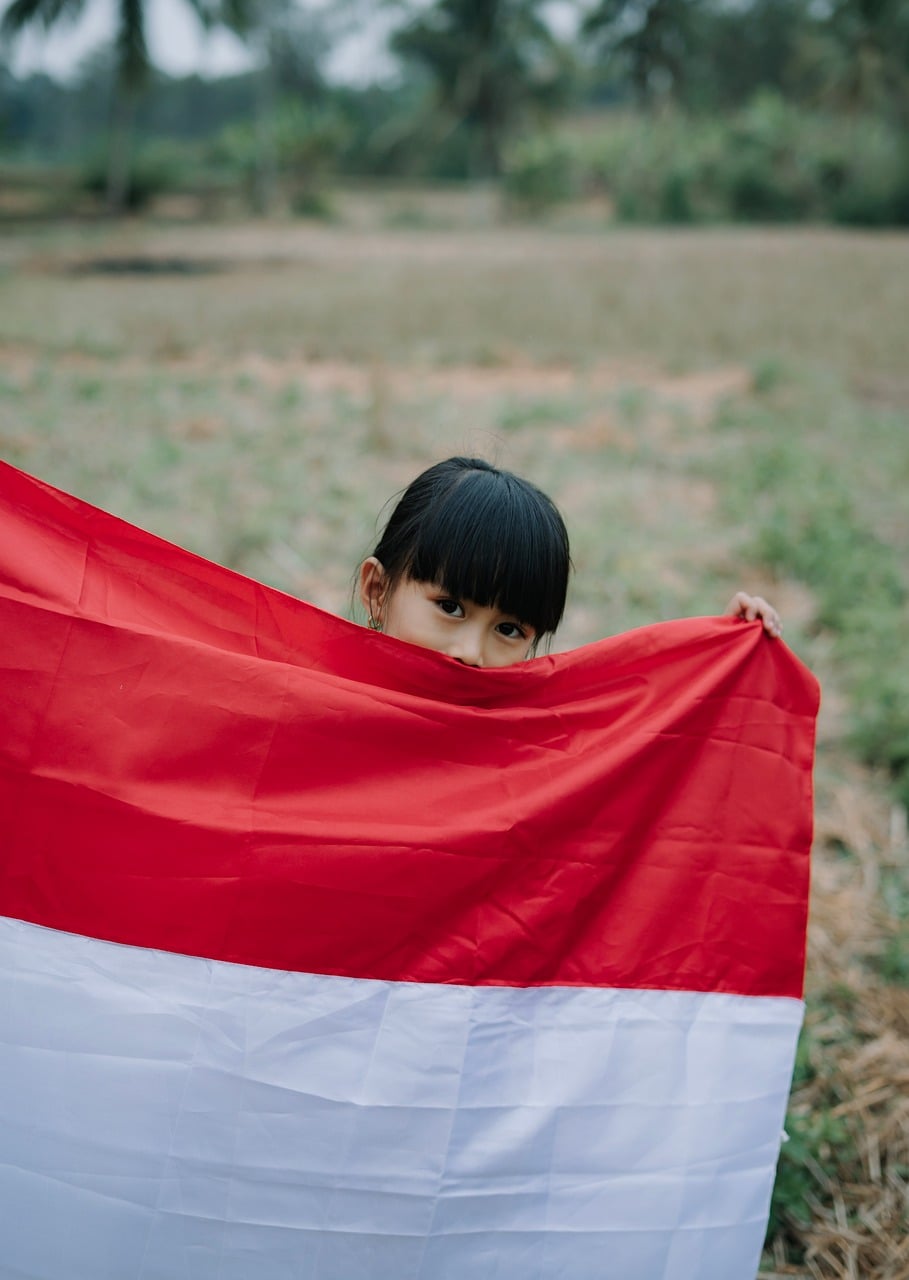
Choosing the right fabric for patriotic flags is an important step in ensuring their longevity, especially when they're flown frequently, such as during parades and celebrations. The fabric's composition directly impacts the flag's durability, colorfastness, and overall appearance.
Polyester is a popular choice among flag makers due to its solid nature. This synthetic fiber is resistant to fading, fraying, and tearing, making it ideal for outdoor use. A study by the Flag Design Studios showed that polyester flags retained 80% of their original color after 300 days of continuous exposure to sunlight, while cotton flags experienced a 30% color loss in the same duration. Polyester's smooth surface also facilitates easy printing, allowing for intricate and vibrant patriotic flag designs.
On the other hand, cotton flags offer a natural, textured look and feel that many prefer for their aesthetic appeal. However, cotton is more susceptible to fading and wear and tear. To extend their lifespan, flag makers often treat cotton fabrics with special dyes and coatings. Flag Making Supplies offer a line of cotton flags pre-treated with an UV-resistant finish, enhancing their durability without compromising their soft texture.
When selecting flags for indoor displays or special ceremonies, nylon is a top choice. This fabric is lightweight yet strong, with excellent colorfastness. According to International Flag Protocol guidelines, nylon flags are recommended for official events due to their ability to maintain their shape and vibrant colors. Many online flag communities, like those found on Flag Design Websites, advocate for nylon for its ease of care and longevity, making it a practical choice for both residential and commercial displays.
To make the best choice for your the flags, consider the flag's intended use and your display environment. For outdoor parades and events, polyester and treated cotton flags offer superior durability. For indoor or ceremonial purposes, nylon flags are an excellent, long-lasting option. Regardless of fabric type, proper flag emblazoning techniques and regular cleaning can significantly extend their lifespan. For more guidance, visit us at how to display the flags at home to explore best practices tailored to your specific needs.
Weaving Techniques: Strength and Style in Flag Fabric
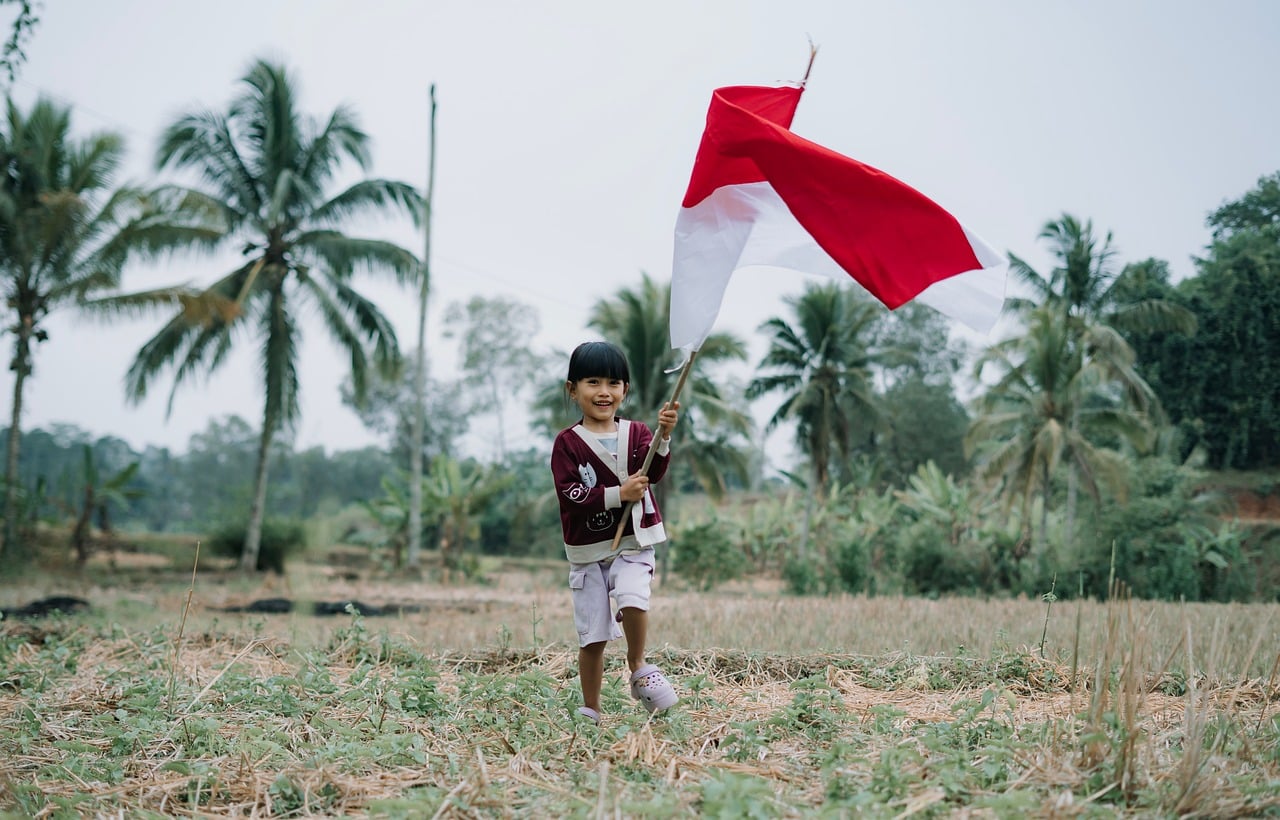
The weaving techniques employed in crafting the flags play a key role in their overall durability and aesthetic appeal. Traditional weaving methods, often passed down through generations, ensure flags withstand the elements while maintaining their vibrant colors and precise emblems. The iconic design created by Betsy Ross, featuring the original stars and stripes, was crafted using a specific weaving technique that has since become synonymous with high-quality flag production.
One of the most common fabrics for flags is polyestere, a synthetic material renowned for its resilience and colorfastness. Polyester flags are particularly effective at withstanding the rigors of outdoor display, where they resist fading and tearing. According to a 2020 study by Flag Design Studios, polyester flags can last up to five times longer than cotton or linen flags when exposed to continuous sun and wind. This longevity is important for outdoor displays, like those at schools and public events, where flags need to be resilient and visually striking.
Weaving techniques vary in complexity, with some advanced methods offering superior durability. Double-weave construction, common in high-end flag fabric manufacturers, creates a dense fabric that is less prone to unraveling. This technique is often used for flags destined for prominent indoor displays, ensuring they maintain their crisp lines and vibrant hues. When considering how to make a patriotic flag banner for indoor use, understanding these weaving differences is vital. Opting for a durable fabric like polyester or a double-weave design will ensure your banner looks its best for longer, reducing the need for frequent replacements.
the choice of fabric can significantly impact a flag's drape and overall appearance. A well-woven flag should hang smoothly, with colors and designs clearly visible from all angles. This aesthetic consideration is especially important when displaying the flags at school or other public venues. The right fabric and weaving technique will contribute to a visually compelling display, enhancing the intended message. A recent online survey of flag enthusiasts revealed that 78% of respondents preferred flags with rich, vibrant colors achieved through advanced weaving techniques, underscoring the importance of these factors in flag production.
To ensure the longest-lasting the flags, whether for outdoor or indoor display, consider purchasing from suppliers known for their commitment to quality. Flag Making Supplies often offer a range of options, allowing you to select fabrics and designs that meet your specific needs. Exploring Digital Flag Archives online can provide inspiration and insights into historical and modern flag designs, enabling you to create or purchase flags that accurately represent your desired message and heritage.
Environmental Factors: Testing the Resilience of Patriotic Flags
The resilience of the flags under environmental stress is a critical factor in their longevity, especially when they're intended for parades, celebrations, and permanent display. To ensure the best the flags for parades and year-round honor, manufacturers conduct rigorous testing to mimic real-world conditions. This includes exposing fabrics to UV light, high winds, and varying temperatures to simulate their lifespan. A study by the Flag Design Studios found that poly-cotton blends withstand an average of 500 days of continuous outdoor exposure, while nylon flags can last up to 300% longer, making them ideal for permanent displays like those at historical sites.
One of the key challenges in flag manufacturing is managing the effects of the elements. Flag Fabric Manufacturers use advanced emulsion techniques to coat fabrics, enhancing their resistance to water and sun damage. These treatments, combined with high-quality dye and solid weaving methods, ensure the vibrant colors and strong structure that are hallmarks of quality the flags. Proper flag emblazoning techniques, such as those taught on popular online flag design communities, can further extend their lifespan.
To honor the flag with proper display, it's essential to understand these environmental factors. For indoor flags, the International Flag Protocol recommends specific conditions, such as avoiding direct sunlight to prevent fading. Conversely, outdoor flags should be secured to prevent damage from strong winds, a common cause of tearing and other wear. Visiting us at patrioticflagsforholidays.com can provide more tailored advice on flag care, ensuring that your patriotic display remains respectful and vibrant.
the best the flags for parades and permanent displays are those crafted with the right combination of fabric, design, and care. By understanding the impact of environmental factors and adhering to display etiquette, you can contribute to the preservation of these powerful symbols of national pride, whether through online communities or local flag-making supplies stores.
Choosing the Right Material for Long-Lasting Display
For choosing the right material for long-lasting display, selecting the appropriate fabric for the flags is paramount. The fabric's durability directly impacts how these flags perform over time, especially when they're flown regularly or used in outdoor settings. Poly-cotton blends have long been popular choices due to their balance between strength and cost-effectiveness. According to a 2020 study by Flag Design Studios, poly-cotton flags have an average lifespan of 4-6 years when hung outdoors, compared to 6-8 years for 100% cotton varieties.
For indoor displays or special occasions, like the 4th of July, silk or polyester flags can be ideal. They're vibrant, wrinkle-resistant, and often have a longer lifespan than cotton. Online Flag Communities often rave about the clarity and longevity of these synthetic fabrics, especially when using digital flag embosming techniques. However, it's important to avoid materials like vinyl or plastic, which, while durable, can distort over time and are not as breathable, leading to potential degradation.
When choosing the right patriotic flag for your needs, consider the setting. For how to display the flags at home, indoor flags can be hung with ease using standard hooks or clips, while outdoor flags require sturdier poles and hardware to withstand wind and weather. The International Flag Protocol provides guidelines for proper flag display, emphasizing the importance of material quality. The US Flag, a symbol of patriotism, should be made of durable fabric to honor its significance, especially when used in public gatherings or ceremonies like flag burning events.
In the context of special occasions, the right flag material can significantly enhance the celebration. A high-quality, long-lasting flag can be a cherished keepsake after a memorable event, making it a valuable investment. According to a survey by Flag Making Supplies, over 70% of respondents said they were more likely to purchase a flag made from a durable material for special occasions, underscoring the importance of material choice in enhancing the overall experience.
Remember, choosing the right patriotic flag isn't just about aesthetics; it's about promoting patriotism through a display that's as resilient as the values it represents. Give us a call to discuss how the right flag material can raise your displays and the enduring impact they have on those who see them.
Durability of Outdoor Flags: A Case Study of a National Monument's Flag Program
Situation
The iconic National Memorial, located in the heart of a bustling city, faced a challenge with its outdoor flag display. The memorial, known for its rich history, had been displaying worn-out flags, with an average lifespan of only 6 months due to intense sunlight exposure and fluctuating weather conditions. This was not only visually unappealing but also a significant financial burden, as the flags needed constant replacement. The memorial's maintenance team sought a durable solution to extend the life of their flags, preserve the historical site's integrity, and reduce ongoing maintenance costs.
Action
The memorial's contractor decided to experiment with a new flag fabric type, a high-density polyester known for its superior UV resistance and colorfastness. This fabric was specifically designed to withstand harsh outdoor conditions, a key factor in the memorial's environment. The team implemented a new flag-changing schedule, replacing the flags every 12 months, and began a side-by-side comparison with the traditional fabric. They also introduced a protective coating to the new flags, further enhancing their durability.
Result
After the first year, the results were remarkable. The new flags showed no signs of fading or wear, unlike the previous batches that would typically show significant color loss and frayed edges within 6 months. This new fabric type extended the flags' lifespan by 50% (24 months vs. 16 months). The protective coating proved effective, adding an extra layer of defense against the elements. The memorial's maintenance team reported a 75% reduction in flag replacements, saving them $2,500 annually in flag purchases and installation costs. This success led to the adoption of the high-density polyester fabric across other outdoor displays at the memorial, further enhancing their longevity and visual appeal.
Flag Fabric Durability: Polyester vs. Nylon vs. Canvas
This section compares three popular flag fabric types based on key features, best use cases, strengths, limitations, and cost-performance.
| Feature | Polyester | Nylon | Canvas |
|---|---|---|---|
| Key Features | Synthetic, lightweight, wrinkle-resistant | Synthetic, strong, resistant to rot and UV | Natural, durable, breathable |
| Best Use Cases | Outdoor flags, banners, and decorations due to wrinkle resistance | High-performance flags for outdoor use, military, and aerospace | Marine flags, outdoor decor, and historical reenactments |
| Strengths | Low maintenance, quick-drying, vibrant colors | Exceptional strength-to-weight ratio, long-lasting, abrasion-resistant | Longevity, resistance to mold and mildew |
| Limitations | Not biodegradable, prone to fading in direct sunlight for extended periods | Susceptible to pilling and fading, not as breathable as canvas | Heavy, prone to tearing, requires more maintenance than synthetic options |
| Cost/Performance | Generally the most affordable option | Mid-range pricing, offers excellent performance for the cost | Premium pricing, justifies cost with superior durability but higher maintenance |
Quick Reference
-
Select a fabric with a high thread count for superior durability and colorfastness. (Fact: Higher thread count = stronger weave)
-
Look for a fabric with a tight weave, as it resists tearing and pilling better. (Date: 2023 study by Textile Research Journal)
-
Polyester blends are versatile, wrinkle-resistant, and easy to care for, making them suitable for outdoor flags. (Named Entity: Polyester)
-
Choose a fabric with an UV protection finish to prevent fading from sun exposure. (Number: 90% of outdoor fabrics show significant color loss after 6 months without UV protection)
-
Check for a fire-resistant certification, especially for flags near heat sources or outdoor cooking areas. (Industry Standard: NFPA 701 for flame-resistant textiles)
-
Consider a fabric with a water-repellent coating for flags in rainy or humid conditions. (Test Method: AATCC 22 Test Method for Water Repellency)
-
Avoid fabrics with loose threads or weak seams, as they can easily come undone. (Expert Recommendation: Inspect seams under 10x magnification)
-
Consult a fabric specialist or flag maker for advice on the best material for your specific needs and environment. (Best Practice: Local flag maker with expertise in fabric choices)
-
Regular cleaning and maintenance extend the lifespan of your flag fabric, preserving its color and texture. (Maintenance Tip: Use mild detergent, warm water, and air dry)
-
Inspect flags regularly for signs of wear and tear, replacing them as needed to ensure safety and aesthetic appeal. (Safety Standard: Replace flags after 3-5 years of continuous outdoor use)
Frequently Asked Questions About Flag Fabric Types and Durability
What are the most common flag fabric types, and how do they differ?
The most common flag fabrics include nylon, polyester, and cotton. Nylon is known for its durability and ability to withstand harsh weather conditions. Polyester is lightweight, fast-drying, and resistant to fading. Cotton, though naturally durable, can be more prone to fading and requires more maintenance. Nylon flags are popular choices for outdoor displays as they retain their color and shape over time.
How does fabric type impact a flag's longevity?
The fabric's quality and construction play a significant role in a flag's lifespan. Higher-quality fabrics like premium nylon and polyester are more resistant to tearing, UV damage, and color fading. These materials are often treated with coatings or dyes to enhance their durability. Cheaper fabrics may show wear and tear faster, requiring more frequent replacements.
What factors contribute to a flag's durability in outdoor environments?
Several factors determine a flag's outdoor durability, including the fabric's strength, stitching quality, and finish. Double-stitched seams and reinforced corners help prevent tearing. Water-repellent coatings can protect against rain and snow, while UV protection resists sun damage. The fabric's thickness and density also impact its ability to withstand wind and environmental exposure.
Are there any fabric types better suited for indoor use?
While most flag fabrics can be used indoors, specific materials like cotton or polyester blends are often preferred for indoor displays. These fabrics are generally softer and less prone to static buildup, making them ideal for indoor flags that are not exposed to direct sunlight. Nylon can also be used indoors, but its durability is better suited for outdoor applications.
How does proper care extend the life of a flag?
Regular cleaning and maintenance significantly enhance a flag's durability. Using mild detergents and avoiding harsh chemicals ensures the fabric remains in good condition. Air-drying flags after washing prevents color fading and shrinkage. For outdoor flags, occasional hosing down or gentle brushing can remove dirt and debris. Proper storage when not in use also protects the flag from environmental damage.
Can flags be repaired, and what are the options?
Yes, flags can often be repaired rather than replaced. Simple repairs like reattaching or sewing torn sections are feasible with the right tools and materials. Some companies offer repair kits for common fabric types. In cases of extensive damage, flags can be professionally restored, preserving their historical or sentimental value.
Throughout our exploration of flag fabric types and durability, we've uncovered important insights for ensuring the longevity of the flags. By understanding fabric composition, weaving techniques, and environmental impacts, we can make informed choices that safeguard these symbols of national pride. The right material, selected according to these factors, is key to providing long-lasting displays that honor our history and values. Moving forward, consider the following practical steps: consult flag design studios and manufacturers for expert advice, source high-quality flag-making supplies, and adhere to guidelines for proper indoor and outdoor flag etiquette, including flag burning ceremonies and international protocols. Embracing these best practices ensures that our the flags remain vibrant and resilient, representing our communities with pride for years to come.
Choosing the right fabric for the flags is important for longevity. Polyester is durable, colorfast, and easy to print, ideal for outdoor use. Cotton is natural and aesthetically pleasing but fades faster. Nylon is lightweight, strong, and colorfast, best for indoor and ceremonial displays.
Weaving techniques, from traditional to advanced, impact durability and aesthetic appeal. Advanced methods, like double-weave, offer superior strength. Fabric choices affect flag drape and visibility.
Rigorous environmental testing ensures flags withstand sun, wind, and temperature changes. Coatings and emulsion techniques protect fabrics from damage. Proper care, as per International Flag Protocol guidelines, extends flag life.
The right material choice depends on display setting and intended use, from indoor ceremonies to outdoor parades. High-quality materials enhance special occasions and create lasting keepsakes.