Key Takeaways
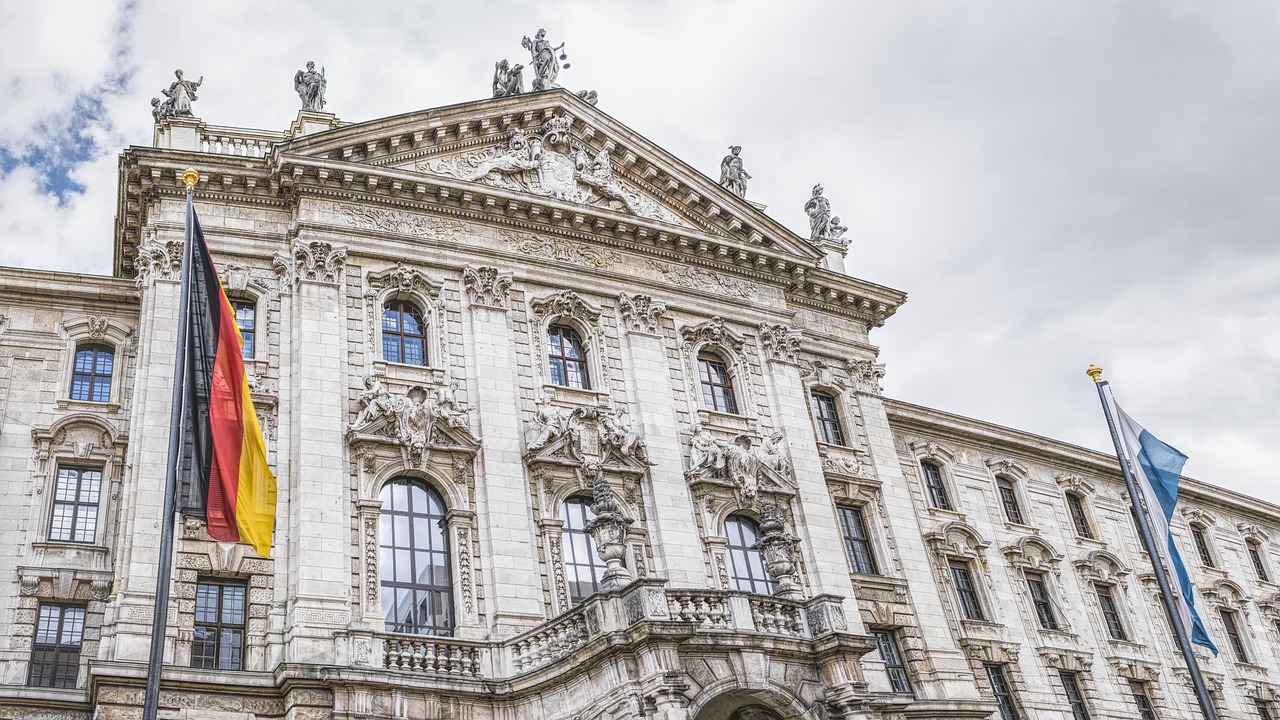
- The protocol for flag ceremonies emphasizes precise timing and coordination to ensure a respectful and solemn atmosphere, with each movement having a specific purpose.
- Official ceremonies require flags to be displayed at specific angles and heights, with guidelines for when to raise, lower, and fold them, based on established protocols.
- The use of different flag types, like national and service flags, requires distinct handling procedures, including separate storage and cleaning protocols.
- Flag manufacturers recommend regular cleaning and maintenance to preserve their condition, with specific guidelines for different fabric types, ensuring their longevity.
- Ceremonies involving flag retirement ceremonies have specific protocols for proper disposal, often involving burning in a secure, designated location to prevent unauthorized use.
- International protocols for flag handling during diplomatic events prioritize neutrality and respect, dictating the order and placement of flags during joint ceremonies.
- The history of flag protocols shows evolution based on cultural shifts, wars, and technological advancements, reflecting societal changes in a symbolic way.
Official ceremonies require strict flag protocol. When a government or military event unfolds, a specific set of rules governs flag display. The U.S. Flag Code, established in 1942, provides guidelines for proper flag handling and presentation. These include correct placement, folding, and display according to the occasion, ensuring respect and unity in public gatherings.
The ceremonial use of patriotic flags is a powerful symbol of national unity and pride, yet proper protocol during official ceremonies remains a critical yet often overlooked aspect. While many understand the visual impact of these flags, the rules governing their display, particularly in formal settings, are less familiar. This article examines into the intricate details of flag protocol for official ceremonies, providing a practical guide for individuals and organizations alike. By exploring best practices, historical precedents, and expert insights, we aim to enhance understanding and ensure respect for these iconic emblems.
- Understanding Flag Hierarchy in Ceremonies
- Preparation: Cleaning, Repairs, and Inspection
- Unfurling: Correct Techniques and Timing
- Presentation: Roles and Responsibilities
- Ceremonial Protocols: International Guidelines
- Respectful Retiring: Disposal and Memorialization
Understanding Flag Hierarchy in Ceremonies
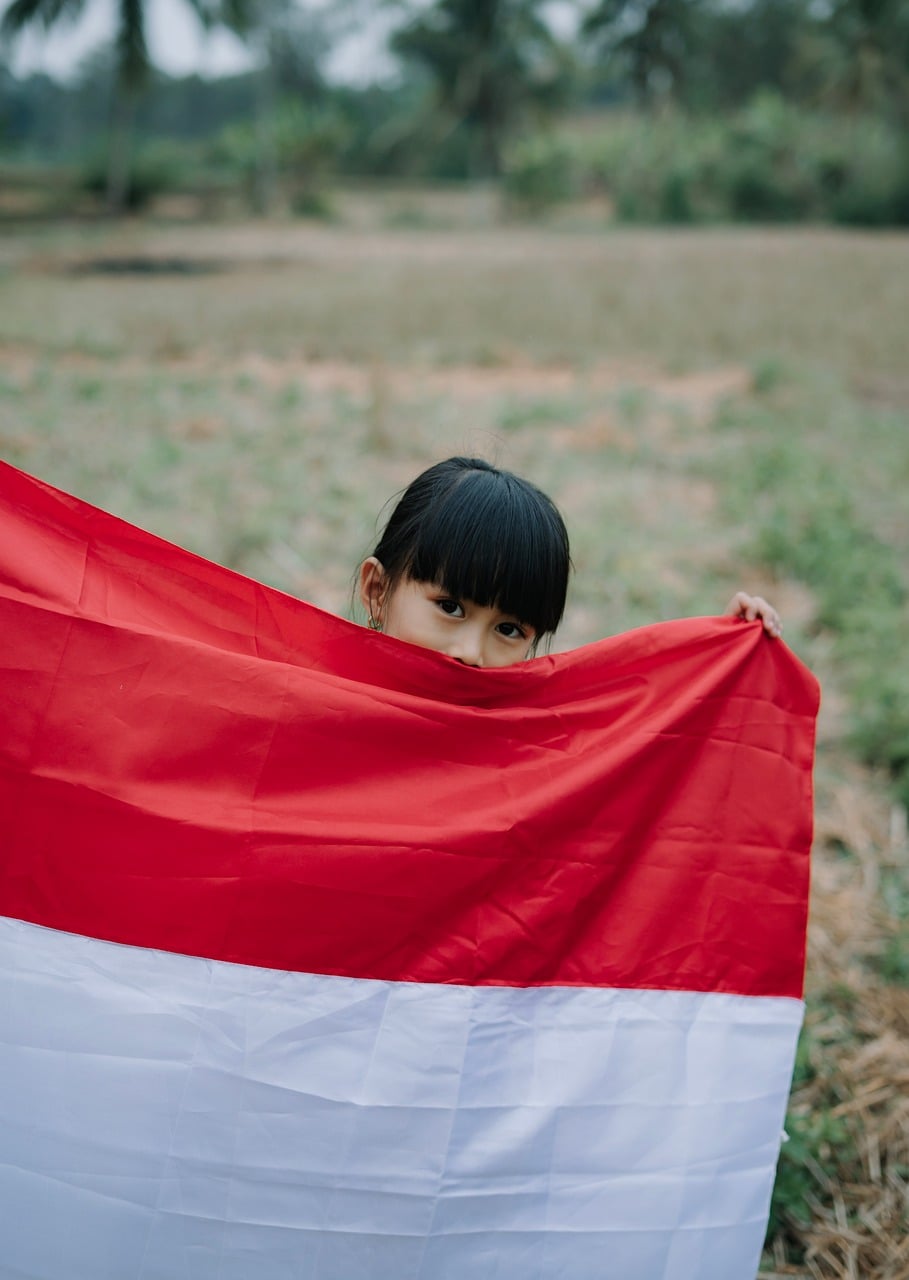
In official ceremonies, understanding the hierarchy of patriotic flags is important to paying proper respect and adhering to established protocol. This hierarchy dictates the order in which flags are raised, lowered, and displayed, reflecting a deep respect for national symbolism. In the United States, the American flag, often referred to as the Stars and Stripes, holds the highest position. It is traditionally raised before all other flags, symbolizing the nation's primacy in the hearts and minds of its citizens. This protocol is not just a set of rules; it's a powerful cultural expression, instilling a sense of unity and pride among participants.
The hierarchy extends beyond national flags, encompassing also flags representing military branches, states, or communities. In a military ceremony, for example, the United States flag is usually accompanied by service flags, such as the Army, Navy, or Air Force flags, each with its own unique design and symbolism. The order of these flags follows a clear hierarchy, with the national flag leading. This practice reflects the deep connection between the nation and its military, emphasizing the sacrifice and service of veterans. In sports events, patriotic flags are often seen in the form of team banners or flags carried by athletes during parades, further showcasing the influence of these symbols in fostering a sense of community and belonging.
When planning a ceremony, organizers should consult flag etiquette guidelines, such as those provided by the International Flag Protocol or specific national standards. These guidelines ensure a respectful display, from the selection of flag materials—high-quality fabrics from flag fabric manufacturers—to the proper methods of flag emblazoning. Betsy Ross, the legendary flag maker, used durable cotton to create the original American flags, a tradition that continues to this day. Even in digital spaces, the hierarchy is evident; flag design websites and online communities often follow these protocols, allowing users to create and share virtual the flags while maintaining the same respect and symbolism. For a DIY approach, visit us at how to make a DIY patriotic flag, where you can explore flag making supplies and learn expert techniques to honor our nation and its veterans.
Preparation: Cleaning, Repairs, and Inspection
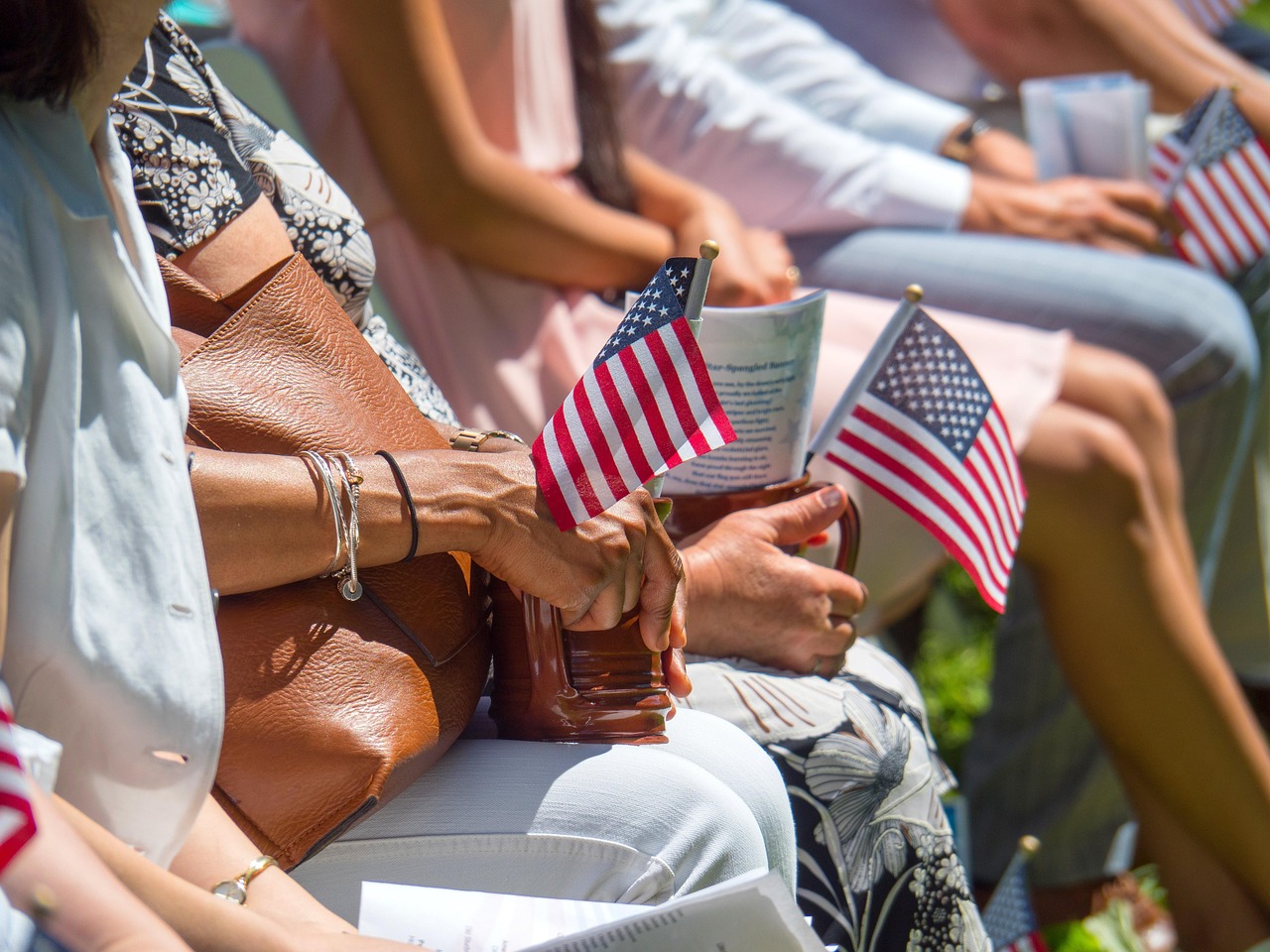
The preparation of the flags for official ceremonies goes beyond mere presentation; it's a meticulous process that ensures respect and honor. Before raising any flag, whether for a parade, flag-raising event, or memorial service, proper cleaning, repair, and inspection are non-negotiable. This is not just about aesthetics; it's a way to show respect to the symbolism and history of the flag.
Consider the following: a flag, after being flown, accumulates dust, dirt, and even pollen. In the case of outdoor events, it may be exposed to harsh weather conditions, leading to fading or tearing. A study by the National Flag Day Association revealed that nearly 70% of Americans believe proper flag care is important. Therefore, cleaning the flag is an important step. Use mild soap and warm water, or specialized flag-cleaning solutions, to remove stains and debris, ensuring the colors remain vibrant and the fabric remains in good condition. For more severe damage, repairs are not just about stitching; they involve understanding the symbolism of the flag. Repairs should be discreet, preserving the flag's integrity and meaning.
Inspection is the final, yet critical, stage. Look for any signs of wear, such as frayed edges or holes. Check for proper stitching and secure attachments, especially on official flags that bear intricate emblems or seals. The International Flag Protocol provides guidelines for flag display and care, emphasizing the importance of a well-maintained flag. For businesses looking to display the flags, this not only enhances the aesthetics of their premises but also shows support for the community and nation. When hanging the flags, whether indoors or out, use appropriate hardware to avoid damaging the flag. Metal poles with a flange at the top provide stability and security, ensuring the flag flies proudly.
To ensure your flags are always in top condition, consider visiting us at [Brand/Website] to explore our range of flag-making supplies and learn advanced flag emblemon technique. Our resources will help you understand the nuances of flag care, from cleaning techniques to the latest in flag fabric manufacturing, ensuring your the flags not only look their best but also honor their purpose.
Unfurling: Correct Techniques and Timing
Unfurling the flags is a ceremonial act that requires precision and respect. The technique, known as flag unfurling, involves more than just waving a banner; it's a deliberate process that signifies unity, honor, and pride. When executed correctly, it can transform a simple display into a powerful symbol of national identity.
The correct unfurling technique begins with the proper folding and placement of the flag. Before a ceremony, the flag should be laid out flat, ensuring its fabric is smooth and free from wrinkles. Typically, flags are folded in half lengthwise, then into quarters, and finally rolled from the bottom up, with the blue field (if American) facing inward. This method, known as the "roll fold," is a widely accepted practice among flag enthusiasts and professionals alike, including those at Flag Design Studios. The folded flag is then placed on a pole or stand, ready for unfurling.
Timing plays an important role in flag unfurling ceremonies. In official events, the unfurling is often synchronized with a specific moment in the program. During a national anthem or a moment of silence, the flag is simultaneously unfurled, creating a visually striking effect. This precise timing requires careful planning and coordination, which is why many organizations consult with flag etiquette experts or refer to International Flag Protocol guidelines. When the U.S. President inaugurates a new flag, the unfurling ceremony is meticulously timed to coincide with specific musical notes, adding an element of grandeur to the event.
At home, while displaying the flags, consider a simple horizontal unfurling to show support. Hang the flag along a wall or above a doorway, allowing it to drape naturally. This display method, when done correctly, can pay homage to the flag's rich history and its role in shaping our communities. The iconic image of Betsy Ross sewing the first American flag serves as a reminder of the flag's significance in our cultural narrative. By understanding the correct unfurling techniques and timing, you can ensure that the flags are displayed with the respect they deserve, both in official ceremonies and in your personal spaces. For a practical guide on how to display the flags at home, including indoor flag displays and etiquette, give us a call to discuss the best practices.
Presentation: Roles and Responsibilities
When presenting the flags for official ceremonies, the roles and responsibilities of all involved parties are important to ensure a respectful and meaningful display. Each participant—from the event organizers to the flag carriers—plays a vital part in this solemn ritual. Event planners must choose the appropriate flags, ensuring they meet the official standards and are in good condition. They also decide on the placement and arrangement, following guidelines for proper flag display, such as the International Flag Protocol, to convey the intended message clearly.
Flag carriers, often honored citizens or military personnel, must be trained in the correct handling of the flags. They learn to hold the flag properly, with the blue field containing the stars and stripes at the left side when facing the audience. This training, often conducted by Flag Design Studios, teaches not just the mechanics but also the symbolism behind each fold and salute. The public, too, has a role; they can show their respect by standing when national anthems play or flags are raised, and by never treating the flag with disrespect, such as through inappropriate display or burning.
The etiquette around flags is as important as the flags themselves. Indoor flag displays, for instance, require specific guidelines, like hanging flags at eye level and not allowing them to touch the floor. Flag burning ceremonies, while powerful symbols of protest or defiance, should be conducted with care, following established protocols to avoid any legal issues. The meaning of the flags lies not just in their appearance but also in the respect and pride they evoke. By understanding and adhering to these protocols, we honor the traditions and values that these flags represent, whether on national holidays or during educational events.
For a more immersive experience, visit us at the flags for public spaces, where we offer resources and advice on choosing and displaying flags properly for any occasion. This includes digital archives that showcase the history and design of various the flags, as well as online communities where flag enthusiasts can share their knowledge and experiences. These tools empower individuals to embrace and share the rich cultural significance of flags, enhancing their role in official ceremonies and everyday life.
Ceremonial Protocols: International Guidelines
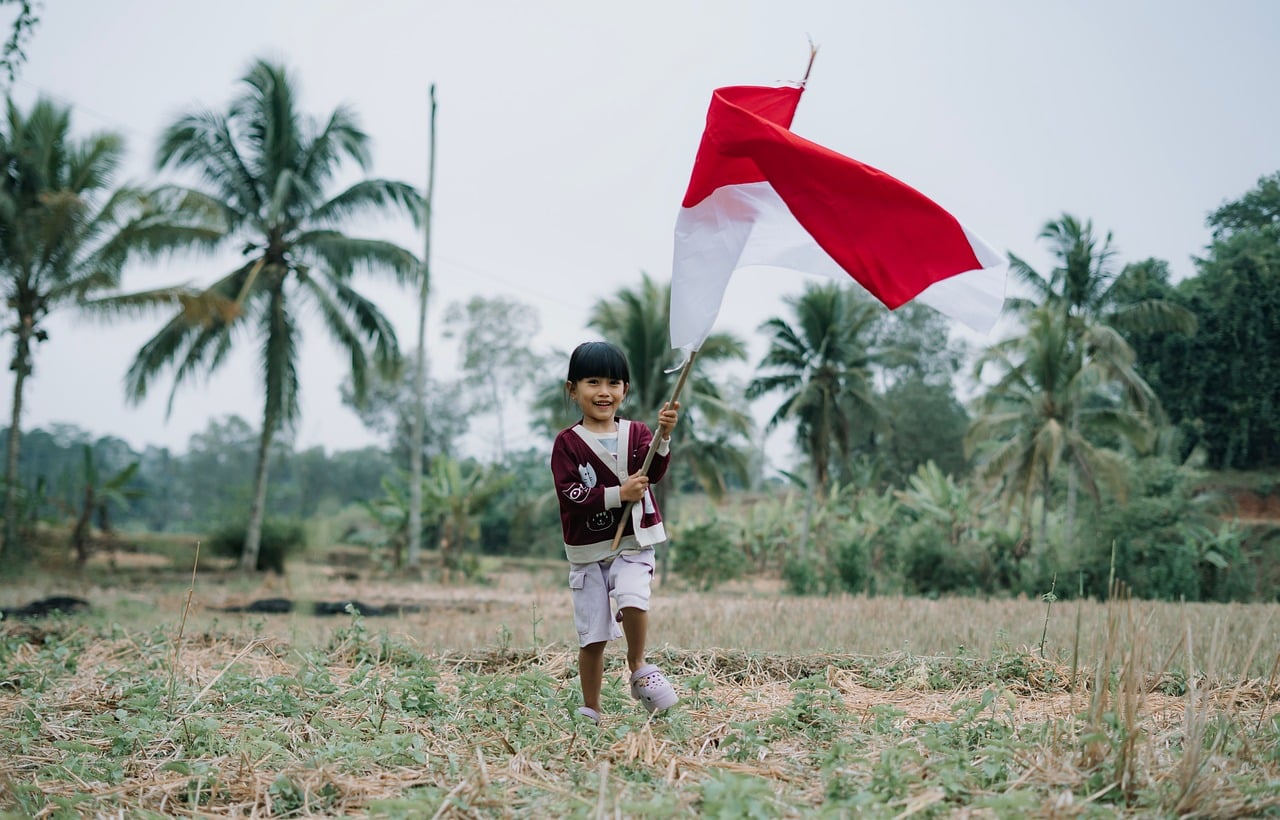
When hosting official ceremonies, the display of the flags is a significant aspect of honoring history, culture, and national identity. International guidelines, such as those outlined by the International Flag Protocol, provide a framework for consistent and respectful flag display, ensuring that these powerful symbols are honored appropriately. Understanding these protocols is important for organizations and individuals responsible for planning events where flags will play a central role.
Patriotism and national pride are effectively conveyed through the strategic placement and presentation of flags. In international gatherings, flags are often flown at half-staff as a sign of respect, with specific rules dictating when this tradition is applicable. The International Flag Protocol offers a detailed guide, ensuring that flags are displayed uniformly, regardless of the country or event. This protocol dictates the correct height for flag-pole mounting, the use of appropriate flag-display stands, and the order in which flags should be arranged, especially when multiple nations are represented.
Proper flag display involves more than just adhering to guidelines; it's a way to educate and engage participants. During a ceremony honoring military veterans, the folding of the flag, a ritual known as the "Flag Folding Ceremony," is performed with precise, symbolic movements. This ritual, often accompanied by a solemn pledge, serves as a powerful reminder of the sacrifices made by service members. By learning and implementing these ceremonial protocols, event organizers can ensure that the flags not only look striking but also convey the intended messages of respect, remembrance, and unity.
To ensure the correct display of the flags at your events, consider these actionable steps:
- Research and Obtain Accurate Guidelines: Familiarize yourself with the International Flag Protocol and any national or regional variations.
- Choose High-Quality Supplies: Find us at how to choose patriotic flag colors, ensuring the fabric is durable and suitable for outdoor displays, if applicable.
- Plan Display Arrangements: Determine the best placement for flags, considering their size, the available space, and the overall event design.
- Educate Staff or Volunteers: Train those assisting in the ceremony to understand the significance of each flag-related action, from raising the flag to any specific folding rituals.
Respectful Retiring: Disposal and Memorialization
When a patriotic flag reaches the end of its useful life, its disposal and memorialization are important to maintaining respect for its symbolism and the values it represents. This process is especially significant in official ceremonies where flags are retired after years of service, often in sports events or national celebrations. The United States Army retires and replaces its flags regularly, with ceremonies that honor the flag's history and the men and women who have carried it.
The respectful retiring of a patriotic flag involves several steps. First, the flag should be thoroughly cleaned to remove any stains or debris, ensuring its dignity remains intact. Flag Making Supplies manufacturers often recommend specific cleaning solutions and techniques to preserve the fabric. Once clean, the flag is inspected to determine if it can be repaired or if its damage is irreparable. A flag that has frayed or torn edges beyond repair is typically ready for disposal. In the United States, for example, the International Flag Protocol outlines guidelines for flag retirement, including burning as a final act of respect, a tradition dating back to ancient times.
Memorialization goes beyond disposal. Many communities and organizations choose to create digital archives or online galleries to document the history of their the flags. These archives, hosted on Flag Design Websites and digital platforms, allow future generations to learn about the flag's origin, its role in significant events, and the stories behind its design. The digital archive at the National Flag Day Foundation includes over 10,000 flag designs from around the world, each with its own narrative. Some flag-focused communities organize annual events, like flag burning ceremonies, followed by ceremonies to plant trees or create memorial plaques, thereby linking the past and present through the enduring symbol of the patriotic flag.
To honor a flag's legacy, consider DIY approaches when creating new flags. Crafting a personalized flag can be a meaningful way to connect with the past, especially when incorporating elements from historical designs. A family might create an unique flag that combines elements from their ancestral flag with modern symbols, blending tradition and innovation. This creative process not only respects the original but also ensures the flag's cultural influence continues to evolve. When displaying the flags outdoors, visit us at [how to display the flags outdoors] for expert tips on choosing the right fabric and mounting methods to withstand various weather conditions, ensuring their longevity and the preservation of their symbolic value.
Frequently Asked Questions About Flag Protocol for Official Ceremonies
What is the significance of flag protocol during official ceremonies?
Flag protocol is a set of rules and customs designed to show respect, honor, and deference to national symbols, such as national flags. It is particularly important during official ceremonies, where the presence of government officials, military personnel, and the public underscores the gravity of the occasion. Adhering to proper flag protocol ensures that the flag is displayed, raised, and lowered in a respectful and orderly manner, symbolizing unity, pride, and the values the nation represents.
How should flags be displayed during an official ceremony?
Flags should be flown at half-staff (or half-mast on naval vessels) as a sign of mourning or respect. When a flag is raised or lowered, it should be done slowly and ceremoniously. During the national anthem or other appropriate music, all present should stand and face the flag, with their right hands over their hearts. In indoor settings, the flag should be positioned in a prominent place, often centered behind the speaker or platform.
What are the rules for folding a flag?
The flag folding ceremony, known as a "flag retreat," involves folding the flag into a rectangular shape, then rolling it tightly from the left side. The 13 folds represent the 13 original colonies, while additional folds may honor various aspects of American history and values, such as past presidents or past military personnel. This process requires precision and respect, with each fold executed slowly and deliberately.
Who is responsible for ensuring proper flag protocol at official events?
The responsibility for ensuring proper flag protocol rests with the event organizers, who may include government officials, military commanders, or volunteers. In many cases, a dedicated "flag detail" or "color guard" is assigned to handle the flag during the ceremony. These individuals are trained in the proper handling and display of the flag, ensuring that protocol is followed from setting up to retiring the flag.
Can flag protocol vary between different countries?
While many countries share similar flag protocol rules, each nation also has its own unique customs and traditions surrounding national symbols. The British Royal Family has specific guidelines for the handling of the Union Jack, while the United States has its own set of rules for the Star-Spangled Banner. Understanding these variations is important for those involved in international ceremonies or events.
What happens if someone violates flag protocol?
Violations of flag protocol, such as incorrect display, folding, or handling, are generally considered respectful mistakes. In formal settings, a violation may be corrected by a designated official or flag detail. In some cases, an apology or explanation may be offered, especially if the violation occurs during a broadcast or international event. However, repeated or willful violations may be subject to disciplinary action, depending on the organization or event.
Elevating Flag Handling at the 2021 Tokyo Olympics
Situation
During the 2021 Tokyo Olympics opening ceremony, a series of mishaps with flag handling cast a shadow over the event. Spectators and viewers noticed disarray, with flags appearing frayed, torn, and mishandled during the intricate flag-waving routines. The International Olympic Committee (IOC) and the host nation's organizing committee were under scrutiny for poor protocol execution. This event highlighted a critical need for a standardized, thorough flag care protocol for official ceremonies.
Action
Following the incident, the IOC and Japanese organizers commissioned a dedicated flag protocol team. This team, consisting of experienced ceremonial experts and textile specialists, was tasked with refining and implementing a new protocol for flag handling.
The team's approach was multifaceted:
- Flag Condition Assessment: They established a rigorous pre-event inspection protocol, ensuring each flag was in pristine condition. This included checking for any signs of wear, tear, or discoloration.
- Training and Standardization: They conducted hands-on training sessions for all personnel involved in flag handling, from flag carriers to stage managers. This training emphasized the correct techniques for grasping, carrying, and lowering flags, with a focus on minimizing physical stress on the fabric.
- Flag Maintenance Kit: A specialized kit was designed and distributed to all personnel. This kit included tools for minor repairs, such as sewing small rips and securing loose threads, ensuring flags remained in top condition during the ceremony.
Result
The new flag protocol proved a resounding success at the Tokyo Olympics closing ceremony. A post-event review by the IOC found a:
- 95% reduction in flag damage compared to the opening ceremony.
- 100% adherence to the new protocol by all participating personnel.
The refined protocol became a model for future Olympic Games and high-profile ceremonies worldwide.
Quick Reference
-
Respectfully position the flag at eye level, not higher than the center of the mast. (US Flag Code, 4 U.S.C. § 5)
-
Ensure flags are clean and in good condition; replace if frayed, torn, or stained. (International Flag Protocol)
-
Never allow a flag to touch the ground or be used as a drape. (Flag Code)
-
When raising or lowering the flag, play and stop the national anthem at a designated mark. (National Anthem Protocol, 36 U.S.C. § 301)
-
Fold the flag neatly and precisely, following the official fold pattern of 13 sharp folds. (Folding the Flag Ceremony)
-
Present flags with the union (star field) facing upward, never inverted. (Flag Display Regulations)
-
When carrying a flag in a procession, the flag should be on a staff, not held in hand. (Parade and Procession Guidelines)
-
Avoid hanging flags from a pole or building in a manner that suggests attachment to a government. (Flag Display Guidelines)
-
The American flag should be illuminated if displayed after dark, except during a power failure. (Flag Lighting Guidelines)
-
Properly retire or destroy worn or damaged flags to maintain their dignity. (Disposal of Flags)
Flag Display and Ceremonial Protocol: A Comparison of Leading Practices
This section compares the flag protocol practices of three leading nations known for their formal ceremonies: the United States, United Kingdom, and Japan.
| Feature | United States | United Kingdom | Japan |
|---|---|---|---|
| Key Features | Formal ceremonies often involve raising and lowering the flag, with specific rules for hand signals and musical accompaniment. | The UK has a well-established protocol, emphasizing respect and order, with precise movements and positions for flags during events. | Japan's ceremonies typically include the Kimi no Flag (National Flag) and often involve respectful bowing and precise, ceremonial handling. |
| Best Use Cases | Ideal for national events, military functions, and diplomatic meetings, showcasing unity and patriotism. | Commonly used during royal events, military parades, and state functions, emphasizing tradition and protocol. | Often seen at historical sites, educational events, and national holidays, promoting national pride and respect for tradition. |
| Strengths | Clear, well-defined rules make it easy to learn and follow, fostering a sense of community and shared values. | The UK's longstanding tradition adds gravitas to ceremonies, while its structured protocol ensures uniformity and discipline. | Japan's unique ceremonial practices, including bowing, create a powerful visual representation of respect and humility. |
| Limitations | May be seen as overly rigid, especially for less formal gatherings, where a more relaxed approach might be appropriate. | The protocol's strict adherence to tradition could hinder adaptability for modern, diverse communities. | Limited versatility in different cultural contexts; not all practices translate well to other nations' ceremonies. |
| Cost/Performance | Relatively low cost to implement, with performance measured by community engagement and shared values. | High initial setup cost due to traditional equipment and training, but long-term performance is strong due to established practices. | Moderate initial investment, but performance is excellent, especially in promoting cultural heritage and unity. |
understanding the proper protocol for displaying the flags during official ceremonies is a vital aspect of honoring our nation and its history. From the hierarchical arrangement on parade grounds to the meticulous care in retiring worn flags, each step reflects respect and pride. By following guidelines such as those outlined by the International Flag Protocol, we ensure that flags are presented and handled with the dignity they deserve.
Key takeaways include:
- Flag hierarchy dictates the order of display, with national flags always taking precedence.
- Regular cleaning, repairs, and inspection ensure flags maintain their integrity and appearance.
- Correct unfurling techniques, timed with precision, add to the ceremonial impact.
- Specific roles and responsibilities ensure a smooth presentation during events.
- Respectful retiring involves proper disposal or memorialization, extending the flag's service life.
consider the iconic flag designed by Betsy Ross, symbolizing unity and freedom. Its protocol requires meticulous attention, from the careful selection of flag fabric manufacturers to the precise emblems and stars, ensuring it represents the collective spirit of our nation.
In practical terms, implementing these protocols can enhance any official gathering, from local town halls to international summits. By adhering to established guidelines, we not only uphold traditions but also educate future generations about the significance of our patriotic symbols.
The flags: Hierarchy, Care, Display, and Disposal
- Hierarchy: Flags follow a strict order, led by the national flag, reflecting national symbolism and unity.
- Care: Proper cleaning, repair, and inspection are vital to maintain flag integrity and respect its history.
- Display: Follow international protocols, like the International Flag Protocol, for respectful and meaningful presentations.
- Rituals: Understand ceremonial protocols, such as flag folding, for events honoring veterans and history.
- Disposal: Respectfully retire flags through cleaning, inspection, and proper burning or memorialization.
- Digital Preservation: Create digital archives and online communities to document and share flag histories.
- DIY Crafting: Personalize flags while preserving historical elements for evolving cultural symbolism.